
 E-Paper



Sri Lanka ruling coalition loses parliament majority amid unrest: 10 points
Sri Lanka crisis: The opposition on Monday had rejected an offer by president Gotabaya Rajapaksa who had called to form a "unity government".

 Prefer HTon Google


Sri Lanka's ruling coalition lost majority in the parliament, news agency Reuters reported, as the country saw a series of critical developments on Tuesday amid growing economic crisis. The opposition on Monday had rejected an offer by president Gotabaya Rajapaksa who had called to form a "unity government". The offer came a day after all 26 ministers of prime minister Mahinda Rajapaksa's cabinet had resigned in the face of massive protests. The president on Monday said he won't step down but he is ready to hand over the government to whichever party that proves to hold 113 seats in the parliament, a report in the local daily, Daily Mirror, said.
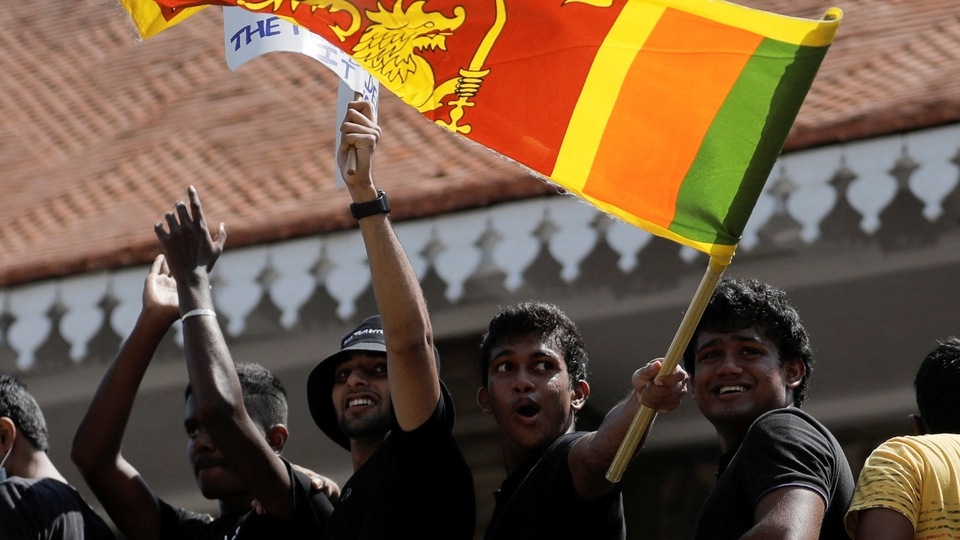
Here are ten updates on Sri Lanka crisis:
1. At least 41 lawmakers on Tuesday walked out of the ruling alliance as unrest grows. "Our party is on the side of the people," said Maithripala Sirisena, leader of the Sri Lanka Freedom Party which withdrew its support for Rajapaksa's coalition was quoted as saying by Reuters.
2. Sri Lanka's ruling coalition won 145 out of 225 seats in the last election. The rejection of the unity government offer by the opposition had set the stage for a test of strength in parliament.
3. In another significant development signaling at the leadership crisis in the country, Sri Lankan finance minister Ali Sabry resigned on Tuesday just a day after he was appointed to the post. The president on Monday had dropped his brother as the finance minister
4. "After much reflection and deliberation and taking into consideration the current situation, I am now of the view for Your Excellency to make suitable interim arrangement to navigate the unprecedented crisis fresh and proactive, and unconventional steps needs to be taken including the appointment of a new finance minister,” Sabry said in a letter to the president, according to reports.
5. The country has seen unprecedented unrest in the last few days, including outside the president's house in Colombo. There have been calls for his resignation as well his brother Mahinda Rajapaksa. The nation of 22 million is struggling with a shortage of essentials and power outages.
6. Mahinda Rajapaksa's son, Namal Rajapaksa, had quit on Sunday along with the rest of the cabinet. "I have informed the sec. to the President of my resignation from all portfolios with immediate effect, in hope that it may assist HE & PMs decision to establish stability for the people & the government of #LKA. I remain committed to my voters, my party & the people of #Hambanthota. (sic)" he tweeted on Monday. He had also voiced concerns ove the social media restictions in the country.
7. The IMF has said it is monitoring the developments in the country closely. "IMF staff is looking forward to program discussions with the authorities, including during the visit of the newly appointed Finance Minister to Washington later this month," it was quoted as saying in a statement by Reuters.
8. The country has also declared an emergency health situation in the midst of a drug shortage, according to reports. This was after a 36-hour curfew - aimed to quell demonstrations - was lifted on Monday. A 15-hour social media blackout has also sparked huge criticism.
9. Ajith Nivard Cabraal resigned as the country's central bank governor.
10. Sri Lanka is believed to have billions in debt. It has sought loans from the Asian Development Bank, India and China to survive the crisis.
(With inputs from Reuters, AFP)


