
 E-Paper



Cyber jihad: A glimpse into terror online
In May, the Islamic State released a video that was targeted specifically at India even if it was in Arabic. Its English magazine Dabiq too has focused on the country. IS has been known for cultivating a strong online propaganda presence usually marked by graphic videos of its brutality.


In May, the Islamic State released a video that was targeted specifically at India even if it was in Arabic. Its English magazine Dabiq too has focused on the country. IS has been known for cultivating a strong online propaganda presence usually marked by graphic videos of its brutality.
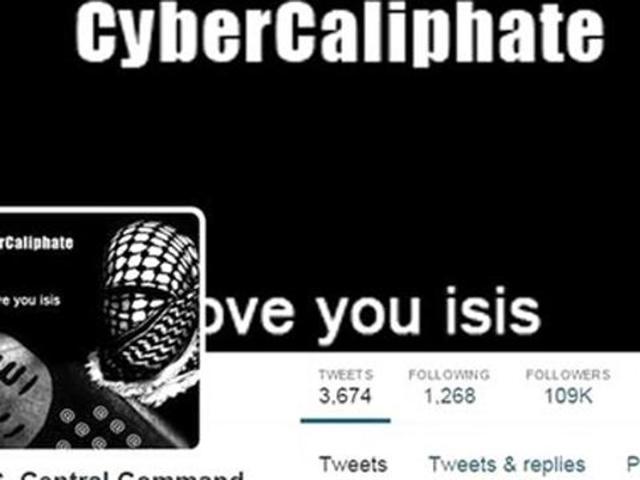
Toronto-based researcher Amarnath Amarasingam sees this online mobilisation as part of what makes the conflict in Syria “different and unique”.
There is posting of real-time information. Interestingly, while having connected to nearly 100 jihadis during the course of his research over an almost 18-month span, Amarasingam hasn’t yet established communication with any IS member from India.
One factor behind that missing link could be that the “golden age” of IS recruits using social media frequently has perhaps passed, said Amarasingam, a fellow with George Washington University’s Programme on Extremism.
Those from other organisations like Jabhat al-Nusra, an al Qaeda affiliate, are more available. For instance, during the course of his meeting with HT, Amarasingam messaged an Indian-origin Nusra fighter, who responded to his queries.
These extremists piggyback Turkish or Jordanian networks to get online, using a variety of social media platforms. Those particularly popular include the obvious Twitter and Facebook, but also Tumblr, Telegram and Kik.
One Telegram channel “Syria through Indian Eyes” has close to 550 members.
These interviewees are cagey, often “spooked” when personal or locational details are sought, Amarasingam said. The first he contacted, who went by the alias of Indian Mujahid, “didn’t want to talk”.
The jihadi behind that handle, believed to be from Kerala, posts across platforms. On Facebook, for instance, he enthused about Indian cuisine: “One needs to taste Indian cooking! Ghee rice and Potato sabji with Yogurt!”
He also does a promotional spiel to those he can galvanise, and to the nearly 1,650 that like this Facebook page with an image of wall writing: “SHAM welcomes muhajireen (Migrants). People portray their love towards us on walls!”


