
 E-Paper



Did Sheikh Hasina’s good economics lead to political disaster in Bangladesh?
India is willing to work with the interim government as long as the interests of minorities and India are protected.

 Prefer HTon Google


New Delhi: Ousted Bangladesh Prime Minister Sheikh Hasina is traumatized by the turn of events since August 5, when she had to flee to India as both the Bangladesh Army and Police stood down on rampaging protests all over the country.
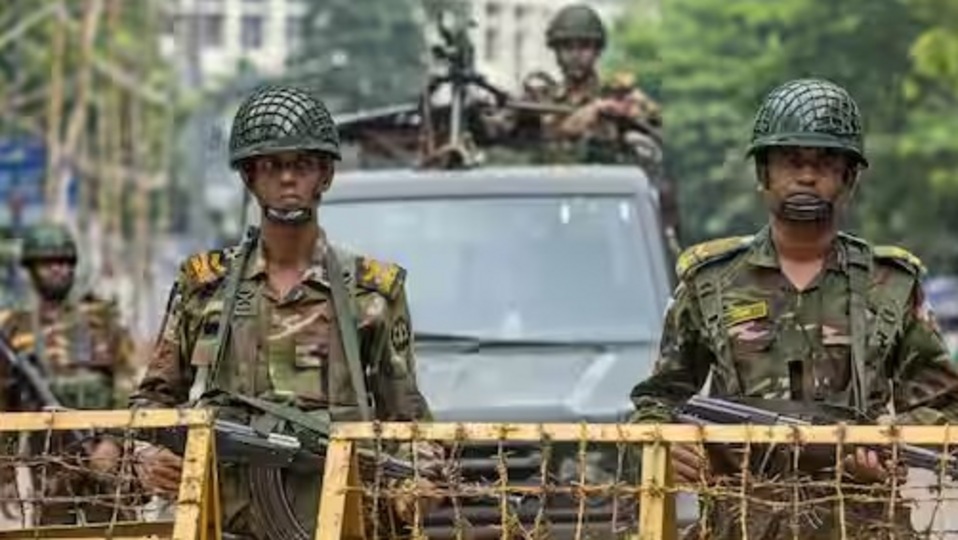
Three days later, Sheikh Hasina is at Hindon Air Force base near Delhi and has no immediate plans to go to any third country as the former PM is safe and secure in India. She apparently still has to come to terms with what happened on August 5 and how come the people of Bangladesh threw her out despite her making Bangladesh the second largest economy in the Indian sub-continent, leaving Pakistan way behind way back in 2016.
While India has reached out to the military leadership of Bangladesh to ensure that normalcy returns to the strife-torn country, it is also monitoring violence against Hindu minorities and Awami League workers in the neighbouring country. For the present, India will assess Bangladesh on the basis of the Interim government and whether the Bangladesh Army will keep the Jamaat-e-Islami and Hefazat-e-Islam Bangladesh Islamists under control. Both are rabidly fundamentalist groups with close links with Pakistan and pan-Islamic jihadists.
Although the Modi government is under full control of its borders with Bangladesh with BSF and Assam Rifles on high alert, the fall of democratic Bangladesh due to Sheikh Hasina misreading her popularity amongst the masses and due to machinations of regime change players in the West has sparked concern within India. With Pakistan, Maldives, Afghanistan, Sri Lanka, Myanmar and even Nepal under political turmoil, India has to ensure that the fires of instability do not reach its shores. “ There is global turmoil. We are down but definitely not out in Bangladesh. But if Indian people think that they will remain safe while the world goes down in Iran, Israel, Gaza, Ukraine, the UK and France, then they are mistaken. PM Modi is doing his best to hold things together despite the divisive agenda of the Opposition INDI alliance. There is a storm ahead and Indians need to hold together,” said a senior Cabinet Minister.
That India is holding firm is quite evident from External Affairs Minister S Jaishankar’s visit to Maldives for two days starting tomorrow. It is quite clear that Maldives leader Mohamed Muizzu has realized the significance of India in its sub-continent with EAM Jaishankar all set to launch multiple projects in Male.
Also read: India reaches out to Dhaka, wants military to restore peace and normalcy
Even though India has no qualms in dealing with Bangladesh Army Chief Gen Waker-us-Zaman, it is monitoring the state of play in Dhaka as any tilt towards China or Islamists will spark off alarms in Raisina Hill. Political Islam to seize power has been a tool used by Islamists in the Middle East and this has led to radicalization sweeping into the Indian sub-continent with Pakistan using it as a convenient tool for its power project much above its body weight.
Also read: Sudden escalation, losing grip caught Sheikh Hasina off-guard
While India knew that both the US and the UK were out to uproot Sheikh Hasina for the past decade, it is willing to work with the interim government as long as the interests of minorities and India are protected. The Modi government has been fearing the Bangladesh nightmare for years now and has various plans to deal with the fallout.


