
 E-Paper



Explained: Why has Google threatened to pull its search engine from Australia
Google Australia managing director Mel Silva on Friday warned a Senate committee in Canberra that the mandatory code of conduct proposed by the government was “unworkable”.


Google has threatened to pull its search engine from Australia if the government forces it to pay media outlets for their news content. Google Australia managing director Mel Silva on Friday warned a Senate committee in Canberra that the mandatory code of conduct proposed by the government was “unworkable” and would be a “bad outcome” for all Australians who use Google’s product every day.
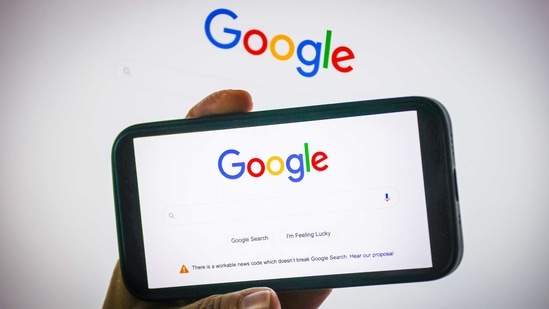
“If this version of the code were to become law, it would give us no real choice but to stop making Google search available in Australia,” Silva told senators.
Australian Prime Minister Scott Morrison was quick to hit back at Google, saying they don’t respond to threats. Speaking to reporters in Brisbane, Morrison said, “Australia makes our rules for things you can do in Australia. That’s done in our parliament. It’s done by our government. And that’s how things work here in Australia.”
Read | Google and its ethics AI team row: What we know so far
What is the controversy?
The Australian government proposed News Media Bargaining Code after the local competition regulator worked on a mandatory code to address the alleged bargaining power imbalances between Australia’s news media businesses and two Big Techs - Google and Facebook. Australian Competitor and Consumer Commission (ACCC) had said in a report that organisations like Google and Facebook are more than mere distributors or pure intermediaries in the supply of news in Australia.
It noted that these Big Techs increasingly perform similar functions as media businesses like selecting, curating and ranking content. The competition watchdog had estimated that Google and Facebook together earn around $4 billion every year from advertising. Australia’s leading news publishers demanded that the two tech giants should pay at least 10 per cent of the news advertising revenue to local new organisations.
After strong objections from Google and Facebook, the government made some changes in the legislation, however, Silva claimed that it still falls short of a “workable code”. The proposed law is aimed at making Google pay the local media outlets, including Rupert Murdoch's News Corp., for displaying snippets of articles in search results.
Read: Google to pay French publishers for online content under new copyright agreement
In December 2020, Silva wrote in a blog that the latest version of the Code forces Google to pay to show links “in an unprecedented intervention that would fundamentally break how search engines work”. She stressed that no website or search engine pays to connect people to other websites, adding the Code would force to include and pay for links to news websites in the search results.
Another controversial part of the law would force Google and Facebook to enter mandatory arbitration with media outlets if they fail to reach an agreement over the value of the news content within three months. The arbiter will take the final call between the payment proposal put forward by both parties. Google has argued that the “baseball arbitration model” incentivises publishers to make ambit claims and resort to arbitration rather than good-faith negotiations.


