
 E-Paper



Global Soccer Is Now Openly at War With Itself
After officials in Europe and North America effectively called for the removal of FIFA’s Gianni Infantino, the sport is in a battle that could drag for months


 Prefer HTon Google


The controversial plan to privatize and sell off parts of the World Cup was swept off the table over a week ago. Gianni Infantino, the embattled president of soccer’s world governing body, even apologized for proposing it in the first place.
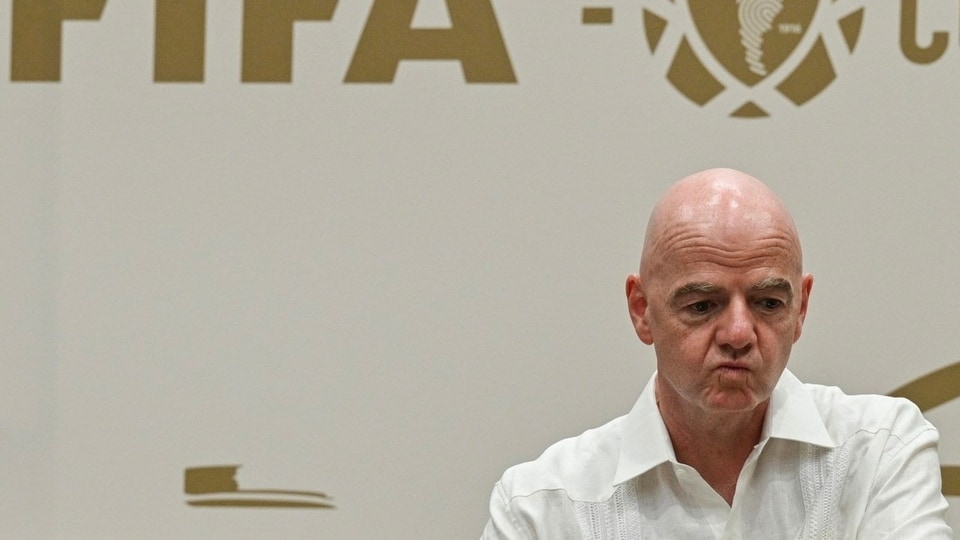
But in the corridors of power that run the game in Europe and North America, one goal still remains. Officials who saw Infantino’s plan as merely the latest in a series of misguided, unilateral decisions now believe that the only solution is to remove Infantino from office.
On Monday, three of the six global soccer confederations formalized their coalition by signing an open letter that called for change at the top of FIFA. Their hope, according to people familiar with their thinking, is that they can ramp up the pressure enough to force Infantino to resign. But the man who has run global soccer for the past decade remains defiant—and seemingly immovable for the time being. That leaves his opponents facing eight months of potentially disastrous political battles before they can take on Infantino in FIFA’s presidential election next March.
“Leadership in football is not a possession,” the heads of UEFA, Concacaf, and the Asian Football Confederation wrote. “When trust is broken through deception, when an individual places himself above the collective that entrusted him with authority, that duty has been abandoned.”
Infantino, meanwhile, has been consolidating support wherever he can. Last week, he traveled to South America, where the federation leaders reaffirmed that they stood behind him—even as revelations about Infantino’s personal life began to surface in the British press. Infantino denied those and dismissed allegations that he maintained a romantic relationship with a former colleague at UEFA as a smear campaign.
“It is becoming increasingly clear that there is an organized and sustained movement by certain forces to weaken FIFA and the FIFA president,” the organization said.
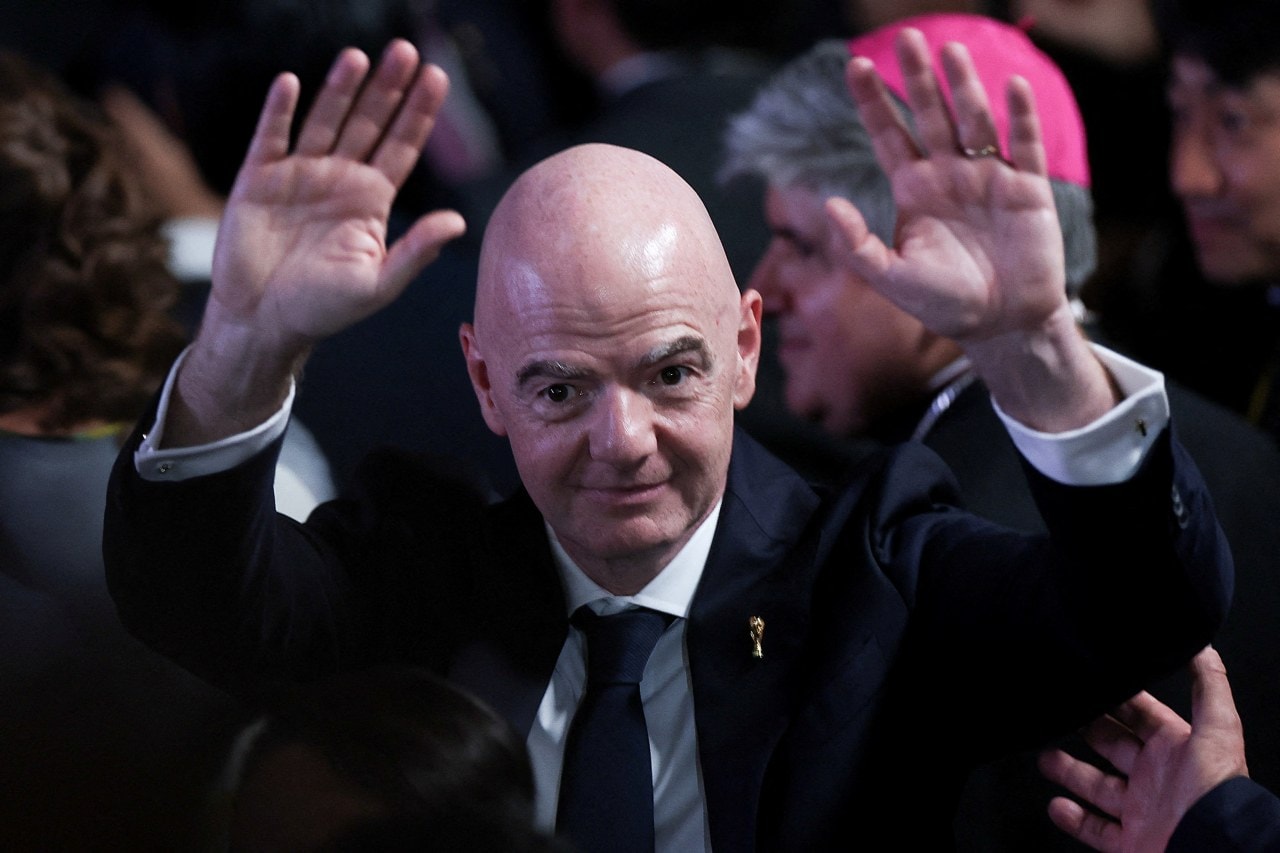
The question now is whether Infantino’s opponents are even prepared to wait for the uncertainty of an election. If all three confederations who signed the letter voted as blocs, they would certainly have enough votes to oust him, controlling more than two-thirds of the FIFA membership. Only the exercise of corralling voters at FIFA makes herding cats look easy. The organization’s 211 members come with 211 highly specific sets of concerns. The only thing they have in common is that each of their votes counts the same. Germany, which has won the World Cup four times, has an identical say as Guam, whose men’s national team has never been ranked higher than No. 146 in the world.
And in each of the confederations cracks are already appearing. In Concacaf, the most notable country to remain in Infantino’s camp is Mexico, which initially said that his privatization plan known as FIFA Forward Enterprise, merited further consideration. And in Asia, at least half a dozen nations, including Qatar and the United Arab Emirates, have announced they would side with him in any vote.
The more immediate issues for Infantino’s rivals are the two deadlines creeping up in the next three months. The first is the Under-20 Women’s World Cup, a tournament that wouldn’t normally garner much attention. The difference now is that it will become a test of UEFA’s resolve, since it vowed to boycott any and all FIFA competitions until it saw meaningful change. Sticking to its promise would mean pulling out six European squads from the 24-team field and, possibly, organizing a parallel event in the interest of not punishing the players, according to a person familiar with UEFA’s thinking.
The other deadline will come in November, when Infantino’s opponents would need to enter a candidate to run against him. As things stand, however, Infantino is due to run unopposed, just as he did in 2023, when he was ushered back into office with one giant round of applause.
By now, it’s at least clear that Infantino can’t count on winning his third full term by acclamation. During his 10 days of damage control, he acknowledged that he had made mistakes and apologized for trying to press ahead with FIFA Forward Enterprise too quickly (something he tried while also attempting to expand the World Cup from 48 teams to 64).
But his opponents saw something else at play.
“[FIFA] treats this as a failure of communication,” the confederations wrote in Monday’s letter, “when what football witnessed was a failure of judgment.”
Write to Joshua Robinson at Joshua.Robinson@wsj.com


