
 E-Paper



Guinea confirms first case of Marburg disease: All you need to know
This is the first recorded case of Marburg disease in western Africa but not the continent's first.

 Prefer HTon Google


Officials in Guinea, in western Africa, have confirmed a case of the Marburg disease, news agency AFP has reported quoting the World Health Organization (WHO). This makes it the first recorded case of the deadly Ebola-related disease in the region.
The development comes just two months after the WHO announced the end of the country’s second outbreak of Ebola. “The potential for the Marburg virus to spread far and wide means we need to stop it in its tracks. We are working with the health authorities to implement a swift response that builds on Guinea’s past experience with Ebola, which is transmitted in a similar way,” Dr Matshidiso Moeti, WHO’s regional director for Africa, said.
Here’s all you need to know about Marburg virus:
(1.) As per WHO, Marburg is caused by a virus which comes from the same family (Filoviridae or filovirus) as the virus which leads to Ebola disease. It causes hemorrhagic fever, and has a high fatality rate of 88%.
(2.) Marburg virus shares its name with the German town of Marburg, which was the site of an outbreak in 1967, which led to the recognition of the disease. Frankfurt, also in Germany, as well as Belgrade, in present day Serbia, also witnessed outbreaks in the same year.
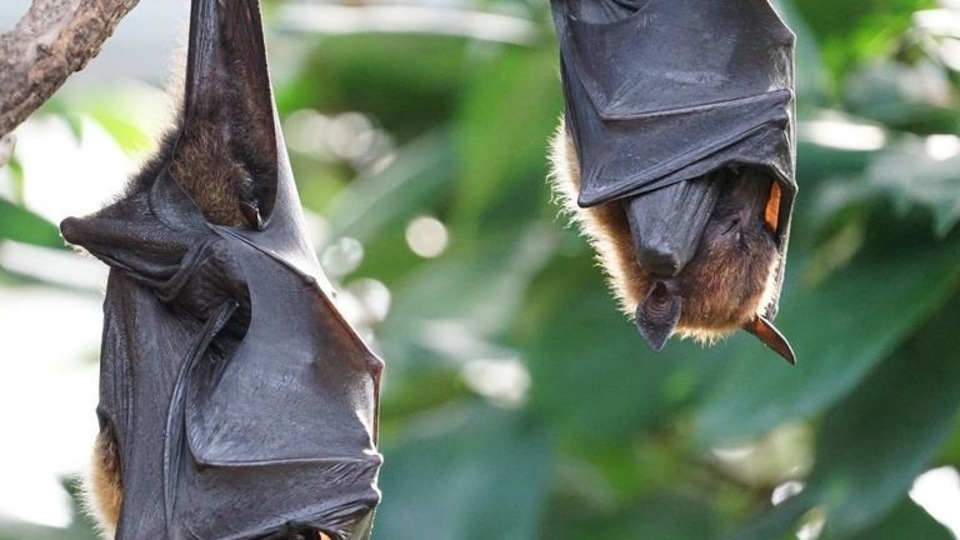
(3.) Humans catch this infection mainly through prolonged exposure to mines or caves inhabited by Rousettus bats. Once an individual contracts the virus, it can transmit to others via direct contact with the blood, secretions, bodily fluids of infected people, as well as through surfaces and materials contaminated with such fluids.
(4.) Symptoms of the Marburg disease include high fever, severe headache, muscle aches, pains, severe watery diarrhoea, abdominal pain, cramping, nausea and vomiting. Diarrhoea can go on for a week.
(5.) As per both WHO and the US CDC (Centers for Disease Control and Prevention), currently, there is no approved vaccine or antiviral drug for this disease. However, supportive care therapy, such as rehydration with oral fluids, may ne helpful.
(6.) Previously, cases of Marburg virus in Africa have been reported from Angola, Democratic Republic of the Congo, Kenya, South Africa and Uganda.


