
 E-Paper



Solution to ageing? Chinese scientist's controversial gene-editing research
The scientist plans to test whether a mutation “confers protection against Alzheimer’s disease.”

 Prefer HTon Google


Chinese scientist He Jiankui, who faced international condemnation in 2018 for creating the first gene-edited children, presented a new research proposal which involves modifying human embryos as Beijing faces the problem of an ageing population. The scientist was sentenced to three years in prison in 2019 for "illegal medical practices" but resurfaced last year as he announced the opening of a research lab in Beijing.
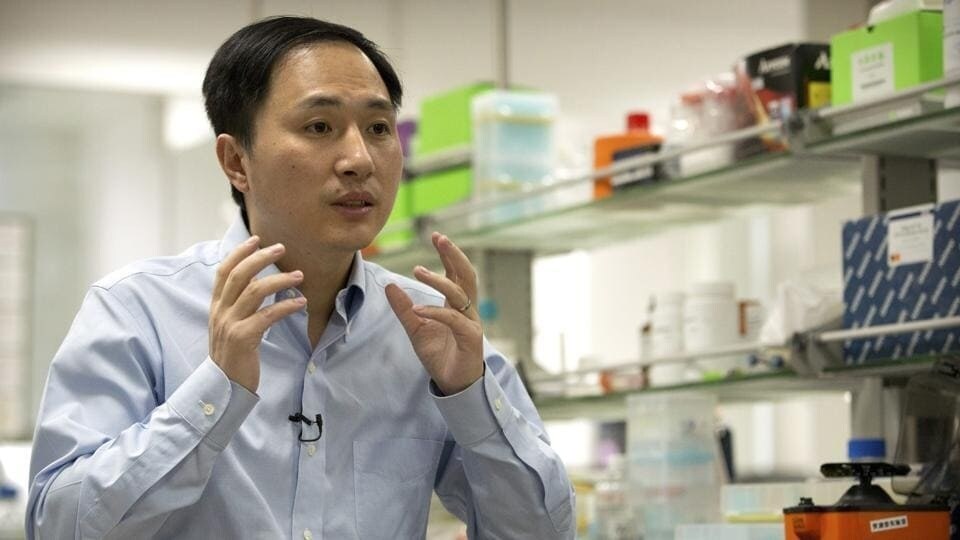
Posting a research proposal on social media outlining plans to gene-edit mouse embryos and human-fertilised egg cells, he said that the proposed experiment would involve abnormal fertilised egg cells not suitable for implantation.
Read more: No beauty salons can be run by women in Afghanistan: Taliban's latest crackdown
The scientist plans to test whether a mutation “confers protection against Alzheimer’s disease.”
"The ageing population is of grave importance as both a socioeconomic issue and a strain on the medical system … Currently, there is no effective drug for Alzheimer’s disease," wrote the scientist. "Government permits and ethical approval" would be required before any experimentation, he added.
It remains to be seen whether approval is granted for his proposal as Chinese authorities tightened regulations and ethical standards governing human gene editing following his previous proposal.
In March of this year, over 200 Chinese scholars released a statement condemning He Jiankui's “attitude and refusal to reflect on his criminal actions of violating ethics and regulations of gene editing” calling for regulatory authorities to launch a new investigation into the scientist's “alleged re‐violation of scientific integrity, ethical norms, laws and regulations.”


