
 E-Paper



How Dimona earned ‘mini-India’ title and why Iran chose to target the Southern Israeli city
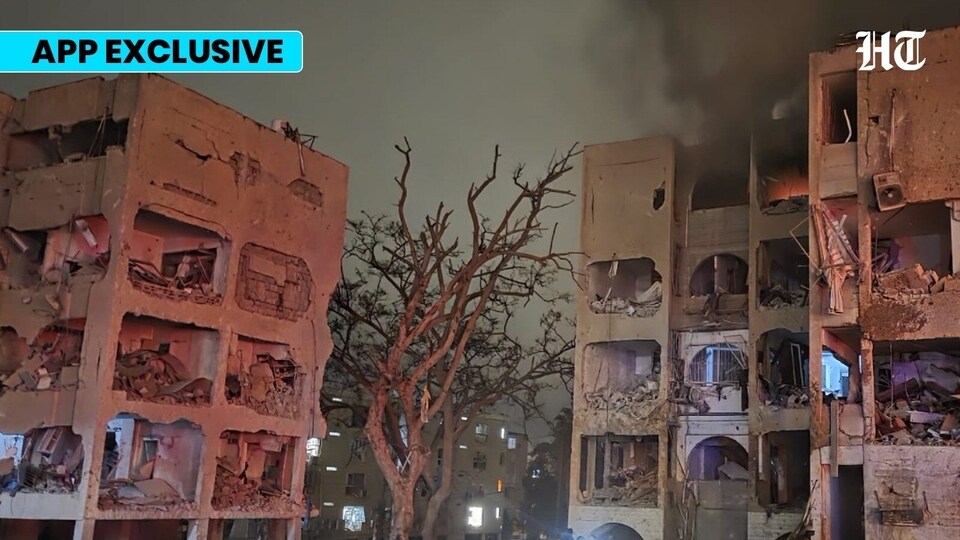
Videos that emerged after the strike in Dimona showed large fireballs hitting and leaving craters after the strike.

 Prefer HTon Google


Iran on Saturday struck two Israeli towns - Dimona and Arad - in fresh attacks, causing extensive damage in residential areas, and resulting in dozens of injuries.
While the Israeli government said that Iranian regime was “deliberately striking civilians with missiles”, Tehran said the strike was in response to an earlier strike on its own Natanz nuclear site.
Dimona, a small desert city in southern part of Israel, is home to one of the country’s nuclear facilities. While the Iranian airstrike was in continuation of its series of attacks since February 28, the latest strike brought the less-known city's cultural identity and an Indian connection to the fore.
Also Read: Over 100 injured in Israel after Iran strikes towns near nuclear research centre
Why Dimona attack brought global focus
The strikes in Dimona were carried out by Iran in retaliation for the attack on its own nuclear site at Natanz. The Israeli army said the strikes led to a "direct missile hit on a building" in Dimona even as residents said that the "terrifying" blasts were like nothing they had experienced before.
The choice of the Iranian strike was due to the facility Dimona hosts outside its main town: Middle East's sole nuclear arsenal, according to AFP. However, Israel has never admitted to possessing nuclear weapons.
"There was a 'boom, boom!', my mother was screaming," 17-year-old Ido Franky said after the strike, adding "This was terrifying... this town had never seen anything like this."
Also Read: Swish and boom: Iran's missile strikes near Israeli nuclear research site
The videos that emerged after the strike showed large fireballs hitting and leaving craters after the strike. The visuals showed doors and window frames blown off by the impact, with belongings scattered across the rooms.
84 wounded people have been injured and taken to hospitals from the Arad scene, including 10 serious injuries, according to Israel's emergency medical service.
Dimona with an 'Indian' touch
The southern city of Israel is commonly known as mini-India due to the presence of a significant Indian Jewish population. The Southern city, one of the key six cities in southern country, derives its name from one of the towns belonging to the tribe of Judah in the Negev region.
The city hosts one of the first Israelis that moved to the region in August 1955. While a majority of the Jewish immigrants were from North Africa, a significant number, nearly 10 per cent were from India.
It was the initial Jewish population from India that evolved into a 7,500-strong Indian Jewish community, that gave the city its nickname: "Mini-India" or "Little India".
The term reflects the strong presence of the Indian-origin Jews who lived in the city for decades, where even today, the customs, traditions, and flavors of India are alive and thriving.
What IAEA said on damage to nuclear facility
The International Atomic Energy Agency (IAEA) said it did not receive any indication of damage to the nuclear facilities of Dimona and Negev in Israel.
In a post on X, the IAEA said, "Information from regional States indicates that no abnormal radiation levels have been detected. Closely monitoring the situation, Director General @RafaelMGrossi stressed that 'maximum military restraint should be observed, in particular in the vicinity of nuclear facilities'."


