
 E-Paper



How to lower student loan interest rates with Rep. Porter's tip
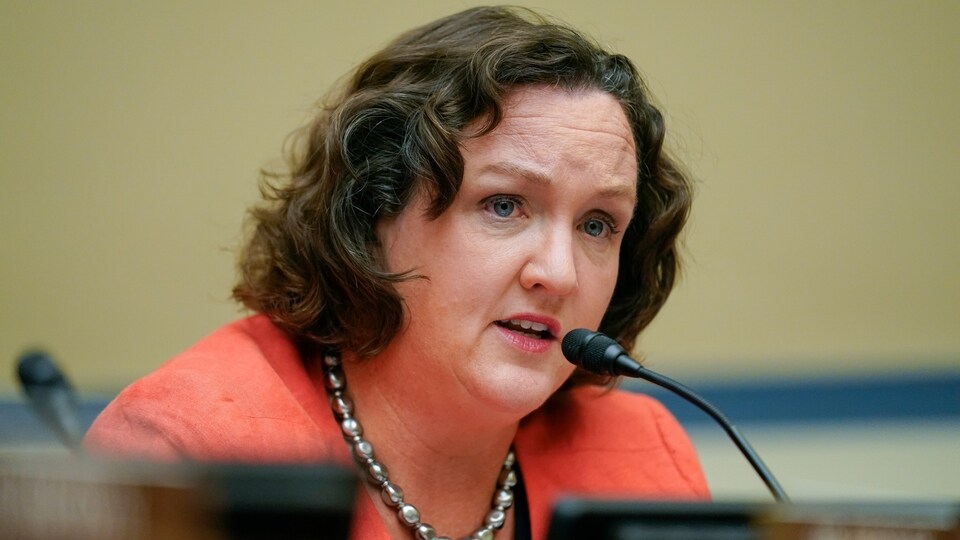
Democratic Rep. Katie Porter advises using Autopay to lower student loan interest rates as payments resume on October 1.

 Prefer HTon Google


With the resumption of student loan payments just around the corner, Democratic Rep. Katie Porter of California is offering a practical tip to help borrowers manage their finances more smoothly.
Student loan payments were paused in March 2020, offering much-needed relief to those facing challenges during the pandemic. But the payment holiday is ending soon. Interest on these loans started accruing again on September 1, and come October 1, approximately 43 million Americans holding a collective student debt of $1.75 trillion will be required to restart payments.
Rep. Porter is stepping in to assist borrowers during this transition. She recently highlighted a guide her office created to help Californians, where around 3.8 million people collectively owe over $142 billion in student loan debt. However, her advice is valuable for borrowers across the nation.
One of the key recommendations from the guide is considering Autopay—an optional program that could reduce interest rates by 0.25 percent. "Autopay is optional, but if you choose auto, you will save 0.25% on your interest rate," the guide explains. "If you sign up for autopay on your servicer's website, you will get a reminder every month ahead of each withdrawal."
Autopay is a convenient option available to both federal and private student loan borrowers. It automates loan payments by deducting them directly from a borrower's bank account while offering a modest 0.25 percent reduction in interest rates.
While this discount may not seem substantial, it can certainly make a difference for borrowers trying to balance their monthly budgets.
It's important to remember that Autopay may not be the best fit for everyone. It initiates payments in October, while the Biden administration has extended the "on-ramp" to repayment until September 2024. During this grace period, interest continues to accrue, but missed payments won't impact your credit score.
Moreover, Autopay might not suit those who aren't certain they'll consistently have sufficient funds in their bank accounts to cover the monthly student loan payments.
Also Read | Balancing future and past: How can you save for retirement while making student loan payments?
In the larger context, many borrowers are currently facing financial challenges. According to the Consumer Financial Protection Bureau (CFPB), more than one in 13 student loan borrowers are behind on other payments, and approximately one in five has risk factors suggesting they might struggle when regular payments resume.
Despite the Biden administration's attempts to provide debt relief, a Supreme Court decision in late June halted a plan that aimed to forgive $430 billion in student debt. The majority of justices argued that the administration overstepped its authority in trying to cancel or reduce student loan debt for millions of borrowers.
As the pause on student loan payments nears its end, Rep. Porter's suggestion to consider Autopay offers a sensible and potentially cost-saving solution for borrowers navigating the return to normal payments.


