E-Paper



How US-Iran war, Strait of Hormuz closure and attacks on tankers disrupt global oil supply: Explained in 5 points
As crude prices climb, countries including the United States plan a large release of oil from strategic reserves in a bid to stabilise global markets.

 Prefer HTon Google


The ongoing conflict in the Middle East has significantly disrupted global oil supplies, prompting emergency measures from the International Energy Agency (IEA). In its latest monthly report, the agency said oil production in Gulf countries has been reduced by millions of barrels a day due to the conflict, while shipping through the crucial Strait of Hormuz has sharply declined.
The disruption has pushed crude prices higher and led the agency and several countries, including the United States, to announce a large release of oil from strategic reserves to stabilise the market.
Also read| After oil, Iran military vows to hit US banks in West Asia
Here are five key points that explain what is happening and why it matters.
1. War in the Middle East triggers oil supply disruption
The conflict in the Middle East has severely disrupted oil production and exports from the region. In its latest monthly report, the International Energy Agency said the war is creating the biggest oil supply shock ever recorded in global markets.
Middle Eastern Gulf producers have already reduced output by at least 10 million barrels per day, which is nearly 10% of global oil demand, news agency Reuters reported. If shipping flows do not resume quickly, the agency warned that these losses could increase further.
2. Strait of Hormuz crisis chokes global oil flows
A major reason behind the disruption is the near closure of the Strait of Hormuz, one of the world’s most crucial energy routes.
Also read| Surging oil prices amid US-Iran war could impact India's vulnerable economy: Report
Around 20 million barrels of crude and oil products passed through this waterway last year. However, tanker movements have plunged by more than 90% since the war escalated after attacks by the United States and Israel on Iran, Bloomberg reported.
Because of the disruption, Gulf producers including Saudi Arabia, Kuwait, and Iraq have been forced to cut oil output.
3. Oil prices spike as markets react to disruption
Energy markets have reacted sharply to the disruption. Global benchmark Brent crude briefly surged above $100 per barrel, rising as much as 10% to $101.59 during trading, Bloomberg reported.
Meanwhile, West Texas Intermediate climbed close to $96 per barrel before prices eased slightly.
Earlier in the week, both crude benchmarks had surged toward $120 a barrel, reflecting extreme volatility in the market as supply risks intensified.
4. Attacks on tankers and port disruptions
Shipping disruptions are compounding the supply shock. Two oil tankers were struck in Iraqi waters, forcing Iraq to halt operations at its oil terminals temporarily.
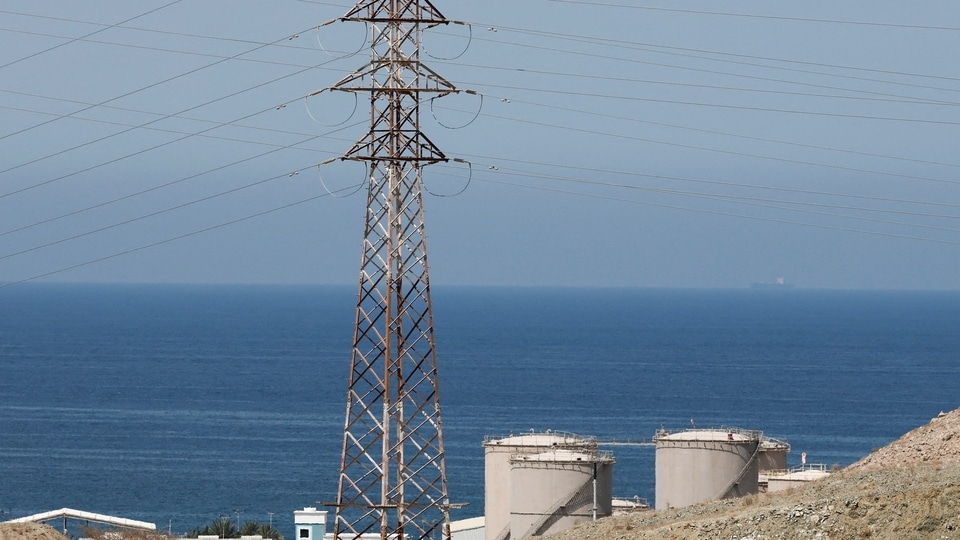
At the same time, Oman evacuated ships from its export terminal at Mina Al Fahal as a precaution. The port is one of the few remaining routes through which Middle Eastern crude can reach global markets, though operations there have since resumed.
The crisis has also affected trade in refined fuels. In China, refiners have started cancelling export cargoes of gasoline and diesel, and processors have been instructed to stop signing new export contracts.
5. Countries release emergency oil reserves to stabilise markets
To calm global markets, the International Energy Agency announced a coordinated release of 400 million barrels of oil from emergency reserves — the largest such move ever.
As part of this effort, the United States said it would release 172 million barrels from its Strategic Petroleum Reserve. However, officials said it could take around 120 days for the entire volume to reach markets.
(With inputs from Reuters and Bloomberg)