
 E-Paper



Imran’s anti-US tirade skews the pitch for his successors
While Pakistan PM has blamed US, India, and Israel for conspiring with the Opposition to overthrow this government, the real answer lies in rampaging food inflation, weak Pakistani rupee, and low forex reserves.

 Prefer HTon Google


The running commentary given by Pakistan Prime Minister Imran Khan on national TV, media, strategic forums and in political rallies in and out of Islamabad in the past week is to portray that he is the only nationalist leader after M. A. Jinnah and all rest are either CIA agents or sold out to India or Israel.
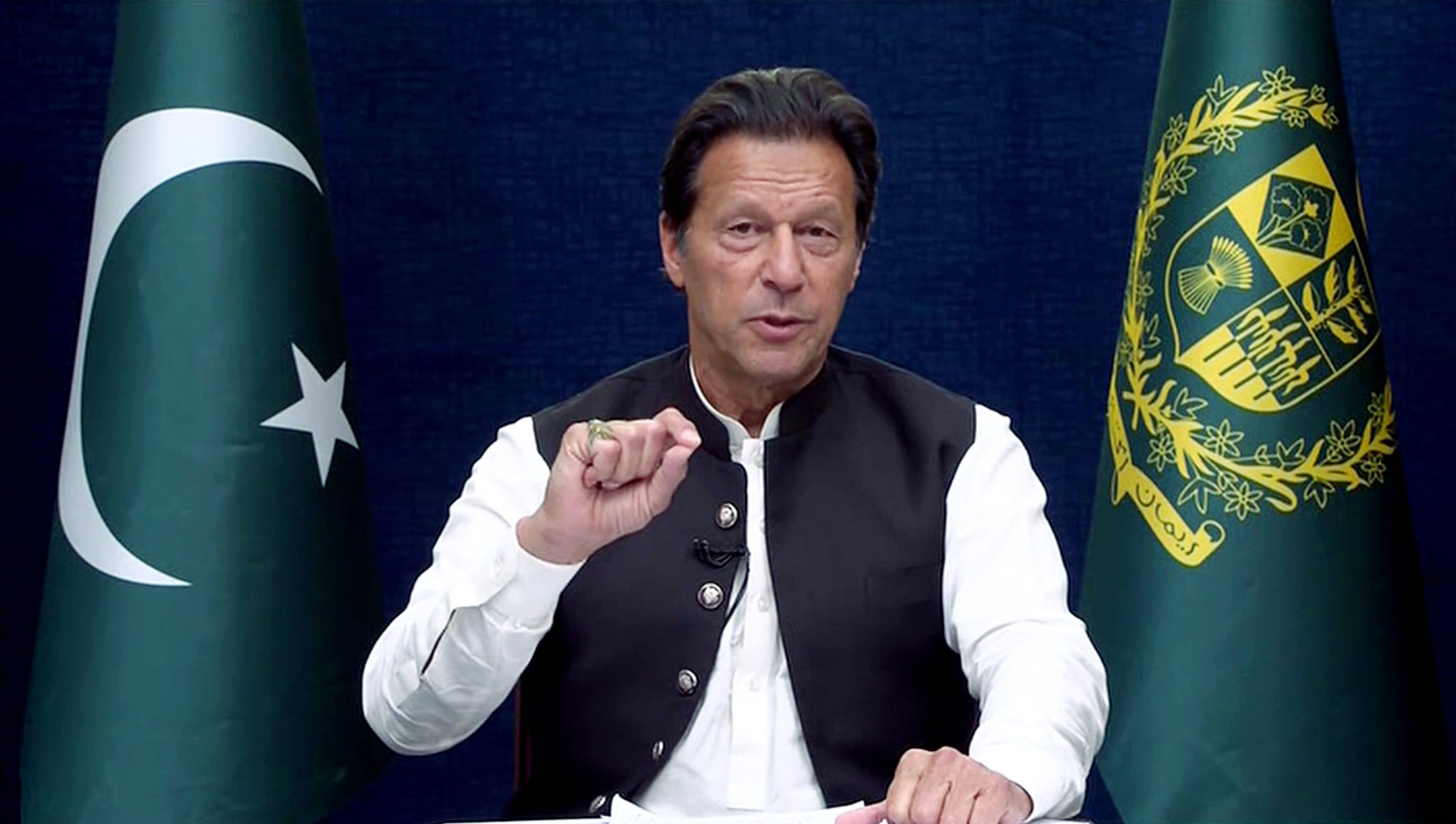
Analysis of his speeches makes it evident that PM Khan is quite delusional about his popularity with the masses and believes that the Pakistani public will vote him to National Assembly with a two-thirds majority if not more as he is the only saviour of the Islamic Republic. This was fellow cricketer Navjot Singh Sidhu’s save Punjab model in essence before an unknown Jeevan Jot Kaur ground his pipedreams to dust.
Also Read| Imran Khan says his life in danger, but he'll continue his fight for Pakistan
By heaping unsubstantiated blame on the Biden administration for trying to overthrow his regime through Opposition proxies, Imran Khan has made out a case for Pakistan to pursue independent foreign policy. It is another matter that during his entire tenure, PM Khan did not speak a word on atrocities on Sunni Uighur Muslims, just across the Khunjerab Pass, in the Xinjiang region by the Communist Party of China headed by Xi Jinping. Perhaps, the milk and honey relationship with the iron brother China does not construe to be part of the independent foreign policy of promised Naya Pakistan.
While Khan has repeatedly taken potshots at the US in the belief that it will help in the next elections, such antics will make life difficult for those who will rule Pakistan in future as the former cricketer has bowled a beamer on the relationship in desperation to save his job.
Rather than blame the troika of US, India and Israel for all the evils that befall Pakistan, PM Khan would be well advised to have a look at the economic situation of the middle kingdom’s tributary states in the Indian sub-continent. Emergency has been declared in Sri Lanka with large scale protests over price rise and non-availability of essential commodities and Nepal is facing raging inflation, stagnant incomes, and loss of jobs.
Also Read| US rubbishes Imran's claim of ‘foreign conspiracy' to unseat him
Rather than blame the pitch or the umpire, PM Khan should look at the economic state of Pakistan with the rupee-USD exchange rate at its historic high, foreign reserve of a mere USD 12 billion-plus and a double-digit inflation touch of 12.72 per cent. The economic situation is a mess in Pakistan under Khan with his foreign policy czar Shah Mehmood Qureshi begging China to roll over USD 2.4 billion debt.
The economic dissatisfaction within Pakistan is feeding into internal strife with nationalist groups in Sindh, Baluchistan and Khyber-Pakhtunkhwa getting belligerent by the day and forcing Beijing to have a re-look at its future investments in CPEC. The Biden administration was forced to revisit its economic support to Pakistan after then-President Donald Trump on January 1, 2018, tweeted that the US foolishly gave USD 33 billion to Pakistan in the past 15 years but got only lies and deceit in return. By attacking the US publicly based on informal remarks of a State Department diplomat, Khan has made the relationship more brittle.
Also Read| On foreign power against him, Imran Khan names US in TV address | Top quotes
While PM Khan is expected to lose in the Opposition’s vote of no confidence against his government on Sunday, by first flirting with the Turkey-Malaysia axis and now joining the China-Russia autocrat club, the former cricketer has shown his naivety about foreign policy. This is the difference between cricket and politics. You don’t have to wait for the last ball to predict a result.


