
 E-Paper



Iranian headscarf campaigner calls for vote boycott
Shajarizadeh became a dissident in 2018 when she was arrested for repeatedly removing her headscarf in public and waving it on the end of a stick.

 Prefer HTon Google


Anti-headscarf campaigner Shaparak Shajarizadeh once believed in the potential for change in Iran but is now so despondent she is calling for a boycott of Friday’s parliamentary elections in the Islamic Republic.
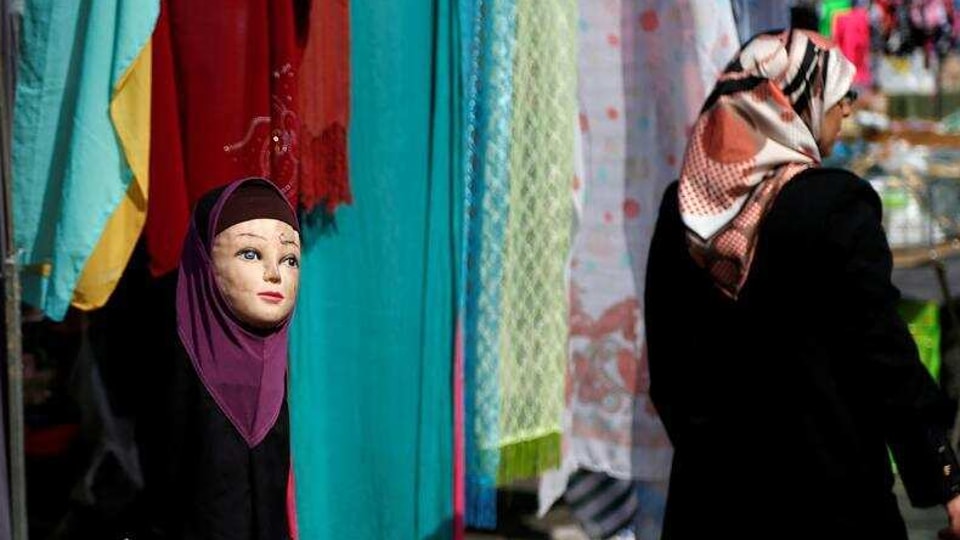
Shajarizadeh became a dissident in 2018 when she was arrested for repeatedly removing her headscarf in public and waving it on the end of a stick, as part of a women’s rights protest that caused a social media storm.
“The Iranian people lost their hopes... I was among those who had some hopes. But now it is like choosing between bad and worse,” the 44-year-old women’s rights campaigner told AFP in Geneva, where she was attending an annual conference for human rights activists.
Shajarizadeh said the supposed political choice in Iran between reformist and conservative politicians was like picking between “two faces of the same coin”.
Thousands of reformist and moderate candidates are in any case being barred from contesting the elections -- something that critics say could turn the vote into a choice between conservatives and ultra-conservatives.
Iranians “lost their hopes,” particularly after a bloody crackdown last year on fuel-price protests, she said.
Shajarizadeh calls President Hassan Rohani, who was first elected in 2013 and again in 2017 and was once seen as a possible force for change, a “so-called reformer”.
Escape on foot
The protest movement against Iran’s Islamic dress code began when in December 2017 when a woman, Vida Mohavedi, stood on a pillar box on Enghelab Avenue in Tehran without the mandatory long coat and raised her veil on a stick.
Enghelab means revolution in Farsi and the square and avenue are among the busiest areas in the capital.
Movahedi’s move sparked similar protests by other women like Shajarizadeh and they soon won recognition as “Dokhtaran-e enghelab”, or the Girls of Revolution Street.
“Young women are back in the streets,” she said -- a reference to other demonstrations in recent years which have seen women taking a leading role.
During her visit to Geneva, Shajarizadeh received a prize for her defence of women’s rights in Iran but she talks about herself as an ordinary person whose life changed completely when she decided to join the protest.
She was arrested three times and beaten for her defiance.
She decided to run away, crossing the mountains into Turkey on foot with her head covered to avoid detection.
She now lives in Toronto in Canada with her husband and their 11-year-old son, from where she is still campaigning against the obligation of wearing the hijab.
The BBC has listed her as one of the world’s most influential women and she has written a book about her story with Canadian journalist Rima Elkouri.
Her lawyer, Nasrin Sotoudeh, is a leading women’s rights campaigner in her own right and is currently in prison.
Shajarizadeh said “targeted sanctions” on the government could help change the situation in Iran but these should be designed “not to put more difficulties on the people”.
Ultimately she thinks the best agents of change are civil society movements like her own and the “real heroes” are the women who decide to show their hair in public.


