E-Paper



Iran’s ‘enemy ships’ rule to Japan’s minesweepers: What’s happening in Strait of Hormuz
Ships not linked to “Iran’s enemies” can pass, provided they coordinate security and safety arrangements with Tehran, an Iran representative said.

 Prefer HTon Google


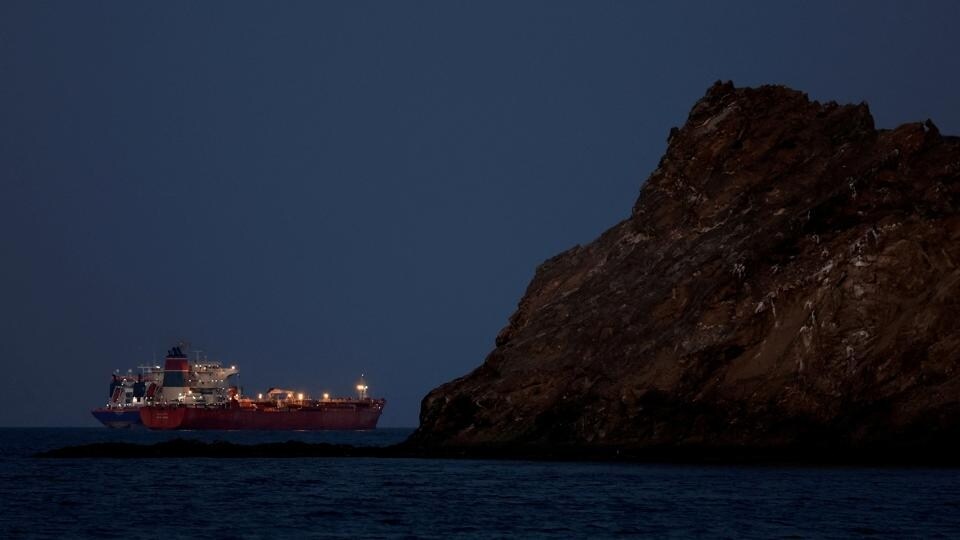
The Strait of Hormuz remains largely closed, even as Iran insists the waterway is open to international shipping, except for vessels linked to what it calls “Iran’s enemies.”
This comes amid heightened tensions after US President Donald Trump warned of possible strikes on Iranian power infrastructure if the strait is not “fully open” within 48 hours. Track US-Israel and Iran war live updates
Tehran is willing to work with international bodies to maintain maritime safety, news agency Reuters quoted Ali Mousavi, representing Iran, as saying. He added that Iran is open to cooperation with the International Maritime Organisation and wants to ensure the protection of seafarers in the Gulf.
At the same time, he stressed that access through the strait is conditional. Ships not linked to “Iran’s enemies” can pass, provided they coordinate security and safety arrangements with Tehran.
Global energy route near standstill
Transit activity through the Strait of Hormuz has slowed to near standstill, data from MarineTraffic shared on Thursday shows.
The Strait of Hormuz, a narrow but critical passage, carries about a fifth of the world’s oil and liquefied natural gas supplies. The ongoing tensions and threat of attacks have already discouraged many vessels from transiting the route, raising concerns about a possible global energy shock.
Mousavi also pointed to the root of the crisis, saying, “Diplomacy remains Iran’s priority. However, a complete cessation of aggression as well as mutual trust and confidence are more important,” while adding that Israeli and US actions were at the “root of the current situation in the Strait of Hormuz.”
Also Read | Iran says shot down 'enemy' F-15 jet near Hormuz Island, shares video as 'proof'
US' mounting pressure
The United States has been pushing its allies to take a more active role in securing the strait. After meeting Japanese Prime Minister Sanae Takaichi, Trump urged her to “step up” and contribute to opening the passage, though Tokyo has so far not committed to sending warships.
Takaichi said she explained Japan’s legal limitations and what support it can realistically offer in the region.
Earlier, Trump put out a post on his social media platform TruthSocial urging several countries to send their warships to help secure the key waterway. The Republican President wrote, “hopefully” China, France, Japan, South Korea and the United Kingdom could send ships to the region.
Also Read | How Dimona earned ‘mini-India’ title and why Iran chose to target the Southern Israeli city
Iran planning transit fees
Adding another layer to the situation, an Iranian lawmaker has claimed that some vessels are being charged as much as $2 million to pass through the Strait of Hormuz, according to a report by Iran International.
Alaeddin Boroujerdi, a member of parliament’s national security committee, said the measure reflects a new approach to managing the waterway and described it as part of a shift toward what he called a new “sovereign regime.”
“Now, because war has costs, naturally we must do this and take transit fees from ships passing through the Strait of Hormuz,” he said, adding that this demonstrates the Islamic Republic’s authority.
Japan considers minesweeping role
Amid the uncertainty, Japan has signalled it could play a role in securing the waterway with its foreign minister Toshimitsu Motegi saying that Tokyo may consider deploying its military for minesweeping in the strait, but only if a ceasefire is in place, reported Reuters.
“If there were to be a complete ceasefire, hypothetically speaking, then things like minesweeping could come up,” Motegi said. “This is purely hypothetical, but if a ceasefire were established and naval mines were creating an obstacle, then I think that would be something to consider," the report added.
Japan’s constitution limits overseas military action, but 2015 security legislation allows its Self-Defense Forces to operate abroad under specific conditions, particularly when threats affect Japan’s survival and no other option exists.
Despite the tensions, Japan currently has no immediate plans to formalise arrangements to secure passage for its vessels through the strait, Motegi said. He emphasised that ensuring free and safe navigation remains critical for global trade.
Iranian Foreign Minister Abbas Araqchi had earlier told Japan’s Kyodo news agency that discussions had taken place regarding possible passage for Japan-linked ships.
The stakes are particularly high for Tokyo, as roughly 90% of its oil imports pass through the Strait of Hormuz. The disruption has already forced Japan and other countries to tap into their oil reserves as global prices fluctuate.