
 E-Paper



Iron Dome to Arrow System: Know Israel's multilayered air-defence system that blocked Iran's unprecedented attack
Israel's defence system with assistance from the United States and Britain is credited with preventing serious damage or casualties.

 Prefer HTon Google


Israel on Sunday said 99% of the more than 300 drones and missiles launched toward its territory by Iran were thwarted with the help of its allies, hailing its successful air defences in the face of an unprecedented attack by Tehran. While Iran and Israel have been engaged in a shadow war for years through its proxies, Sunday’s attack marked the first time Tehran has launched a direct military assault on its arch-foe in the Middle East.
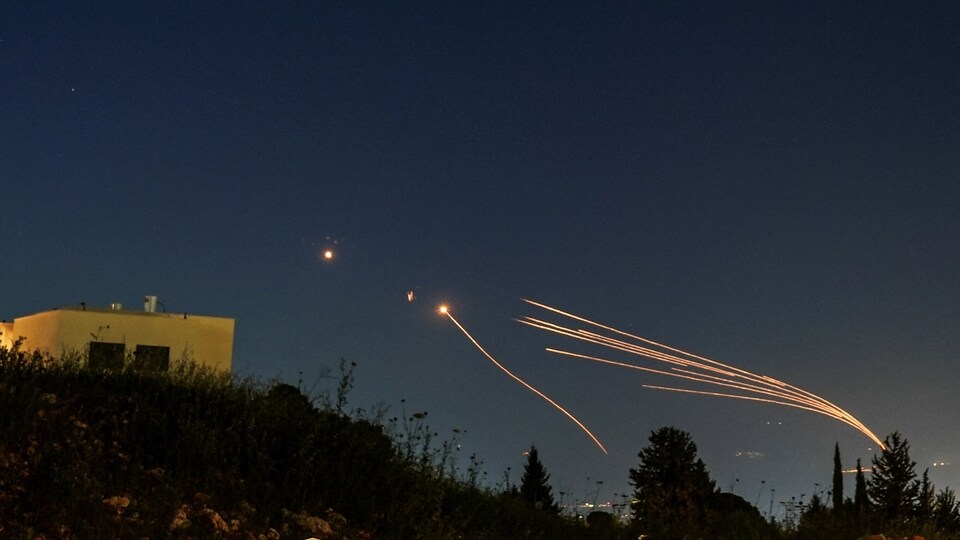
“Iran launched more than 300 threats and 99% were intercepted,” said Rear Adm. Daniel Hagari, the Israeli military spokesman. “That is a success.” Asked if Israel would respond, Hagari said the country would do what was needed to protect its citizens.
Read: Indian embassy in Israel issues advisory as Iran's attack raises threat of wider conflict
Over the years, Israel has established a multilayered air defence network to counter a spectrum of threats ranging from short-range rockets to long-range ballistic missiles. This intricate network comprises several advanced systems developed in collaboration with the United States.
Let's delve into the key elements of Israel's formidable defence shield:
1. Arrow System: Developed in collaboration with the United States, the Arrow system represents the pinnacle of Israel's defence against long-range ballistic missiles. Operating beyond the Earth's atmosphere, Arrow is engineered to intercept incoming threats, including the ballistic missiles Iran claimed to have launched. Its successful deployment in intercepting long-range missiles from Houthi militants in Yemen underscores its effectiveness and reliability.
2. David’s Sling: David’s Sling, also developed in collaboration with the U.S., serves as a crucial component of Israel's air-defence architecture, primarily targeting medium-range threats. Specifically tailored to counter missiles possessed by groups like Hezbollah in Lebanon, David’s Sling enhances Israel's ability to neutralise aerial threats before they reach critical targets.
3. Patriot System: A cornerstone of Israel’s air defence legacy, the Patriot system has been in service since the First Gulf War in 1991. Initially deployed to intercept Scud missiles from Iraq, the Patriot system has evolved to address diverse threats, including aircraft and drones. While its primary function has shifted over the years, the Patriot remains a vital asset in Israel’s defence arsenal.
4. Iron Dome: Iron Dome, which specialises in shooting down short-range rockets, boasts an impressive track record, intercepting thousands of projectiles with a remarkable success rate exceeding 90%. Its pivotal role in defending against attacks from Hamas in Gaza and Hezbollah in Lebanon underscores its importance in safeguarding Israeli lives and infrastructure.
5. Iron Beam: Positioned as the next frontier in Israel's air-defence capabilities, Iron Beam harnesses cutting-edge laser technology to intercept incoming threats. Though still under development, Iron Beam promises to revolutionize Israel's defence strategy with its cost-effective and precise countermeasure capabilities.


