
 E-Paper



US solely to blame for failure in trade talks: China
China on Sunday squarely blamed the US for the escalating trade war between the two countries, chiding Washington for creating setbacks in the ongoing talks to resolve

 Prefer HTon Google


China on Sunday squarely blamed the US for the escalating trade war between the two countries, chiding Washington for creating setbacks in the ongoing talks to resolve the differences that threaten to derail ties between the top two economies in the world.
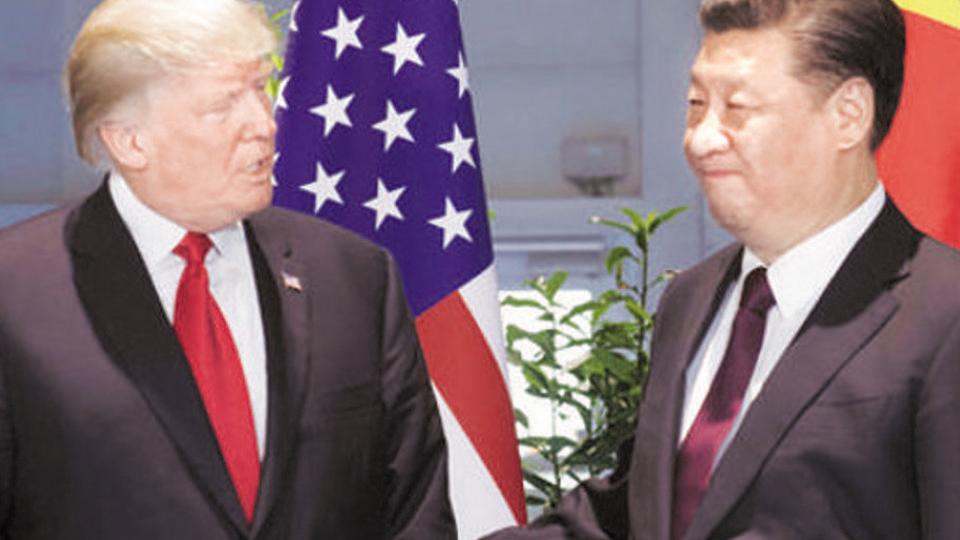
A government policy paper released on Sunday also indicated that Beijing was willing to continue negotiations with Washington on the tit-for-tat trade dispute.
Washington “should bear sole and entire responsibility” for the dispute, the document said, adding that talks haven’t had the desired result so far because of the US. “The more the US government is offered, the more it wants,” it said.
The two countries have so far slapped duties worth billions of dollars on goods exported from each other and Washington has lately blacklisted Chinese companies, including telecom giant Huawei, seemingly in the interest of national security.
Also read: US warns China on behaviour towards its Asian neighbours
The white paper prepared by the State Council or China’s cabinet, titled “China’s Position on the China-US Economic and Trade Consultations” was released by Wang Shouwen, the commerce vice minister and Beijing’s deputy international trade representative, on Sunday.
“The US government’s accusation of Chinese backtracking (in the negotiations) is totally groundless,” the white paper said, noting that it is common practice for both sides to make new proposals for adjustments to the text and language in ongoing consultations.
“In the previous more than ten rounds of negotiations, the US administration kept changing its demands. It is reckless to accuse China of ‘backtracking’ while the talks are still underway,” the document added.
“Following numerous rounds of consultations, the two countries had agreed on most of the issues. Regarding the remaining issues, the Chinese government urged mutual understanding and compromise for solutions to be found,” the white paper said.
“But the more the US government is offered, the more it wants. Resorting to intimidation and coercion, it persisted with exorbitant demands, maintained the additional tariffs imposed since the friction began, and insisted on including mandatory requirements concerning China’s sovereign affairs in the deal, which only served to delay the resolution of remaining differences,” the document added.
The white paper said that Beijing remained “committed to credible consultations based on equality and mutual benefit”, but would “not give ground on matters of principle”.
Beijing has been increasingly critical of Washington in recent weeks over the breakdown of the trade talks and its treatment of Chinese technology giant Huawei.
On Friday, the Hong Kong-based South China Morning Post reported, Beijing said it planned to publish a list of “unreliable” foreign entities deemed to have damaged the interests of Chinese firms, based on anti-monopoly and national security grounds.
Also read: With S Jaishankar, New Delhi has someone who knows Chinese diplomacy


