
 E-Paper



Nasa satellite to crash on Earth today after 14 years in orbit: All you need to know
A large NASA satellite, Van Allen Probe A, is set to re-enter Earth's atmosphere, but experts assure that the risk to human safety is minimal.

 Prefer HTon Google


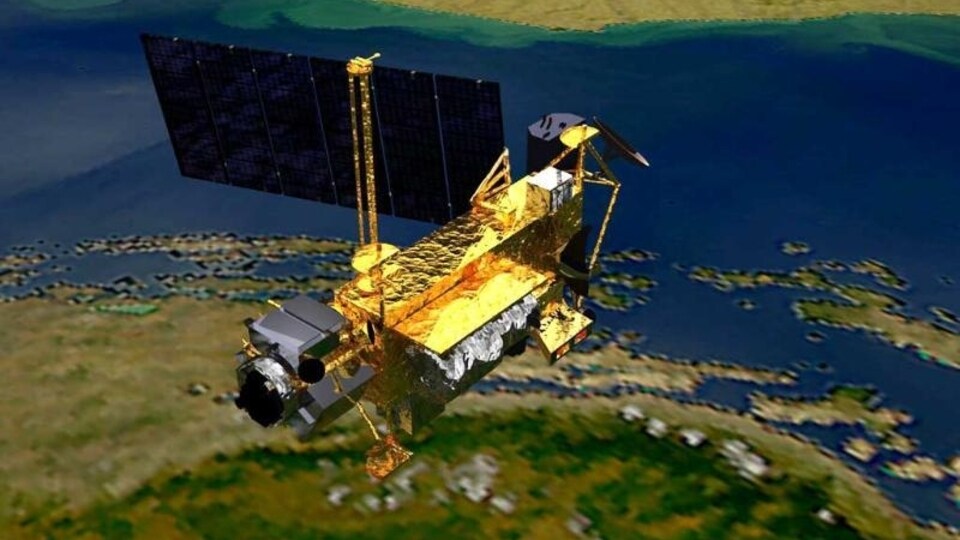
Fragments of a large Nasa satellite are expected to plunge back to Earth, though experts said the chances of anyone being hurt are extremely small. The satellite, weighing about 600 kg (1,323 pounds), is one of two probes launched in 2012 to study the Van Allen radiation belts, regions of charged particles trapped by Earth’s magnetic field. According to the US Space Force, the satellite, known as Van Allen Probe A, is predicted to re-enter the atmosphere around 7:45 pm EDT on March 10, 2026.
ALSO READ | ISRO’s space & robotics lab coming up in 40 Mahoba govt schools
As it hurtles back toward Earth, most of the spacecraft will burn up due to intense heat and friction. However, officials said a few sturdy pieces could survive the fiery descent and reach the ground. The Space Force estimated the odds of someone being harmed at roughly 1 in 4,200, as per the Nasa website.
Nasa and the Space Force said they are continuing to track the probe’s descent and may revise the timing of re-entry, which currently carries a margin of uncertainty of about 24 hours.
ALSO READ | NASA chief delays moon mission, rules out March launch over technical issues
The probe now returning to Earth was launched alongside its twin, Van Allen Probe B, from Cape Canaveral August 30 in 2012 to study space radiation around Earth. Both spacecraft stopped operating in 2019 after running out of fuel. Originally designed for a two-year mission, the probes ended up operating for nearly seven years, collecting unprecedented data on Earth’s radiation belts before the mission ended in 2019 after the spacecraft ran out of fuel and could no longer orient themselves toward the Sun.
Scientists initially expected them to remain in orbit until 2034, but the trajectory changed over time. This happened due to increased solar activity. In 2024, researchers confirmed that the Sun had reached solar maximum, the peak of its activity cycle, which intensified space weather and increased atmospheric drag on the spacecraft, causing it to descend sooner than expected. However, the second probe is still circling Earth and is not expected to re-enter until later this decade.


