
 E-Paper



No religious repression in China’s Xinjiang: ‘Iron brother’ Pakistan
Pakistan’s support of China’s policies in the Xinjiang Uyghur Autonomous Region (XUAR), said to be specifically targeting the Uyghurs, comes as Beijing mounts a sophisticated and large-scale publicity campaign to blunt international condemnation of the camps.


A senior Pakistani diplomat said there is no cultural and religious repression in Xinjiang province, amid mounting international criticism about China’s decision to hold members of Muslim Uyghur community inside camps, which Beijing says are vocational training institutes.
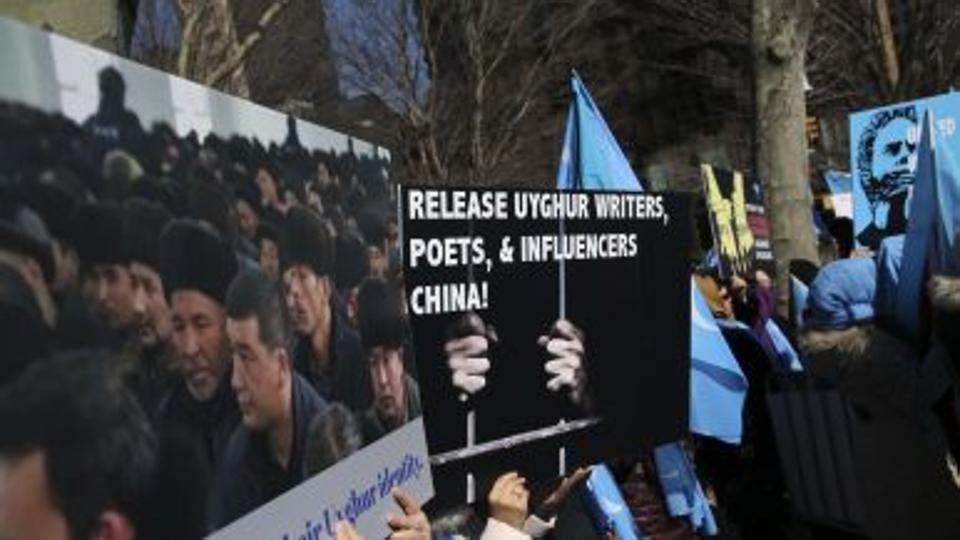
Pakistan’s support of China’s policies in the Xinjiang Uyghur Autonomous Region (XUAR), said to be specifically targeting the Uyghurs, comes as Beijing mounts a sophisticated and large-scale publicity campaign to blunt international condemnation of the camps.
From denying the existence of the camps until October, China is now inviting diplomats and journalists to visit the province to take chaperoned tours of the “training institutes”.
Mumtaz Zahra Baloch, the charge d’affaires of the Pakistani embassy in China, was among the diplomats from 12 countries including India who were taken by the Chinese government to tour Urumqi, Kashgar and Hotan in XUAR end of December.
When asked by nationalistic tabloid Global Times whether she found the “existence of forced labour, cultural or religious oppression” in Xinjiang, Baloch was emphatic.
“During this visit, I did not find any instance of forced labour or cultural and religious repression,” she said.
Baloch said she was told by Muslim clerics and students that they are free to practise Islam.
“The imams we met at the mosques and the students and teachers at the Xinjiang Islamic Institute told us that they enjoy freedom in practising Islam and that the Chinese government extends support for maintenance of mosques all over Xinjiang,” she said.
“Similarly, I did not see any sign of cultural repression. The Uyghur culture as demonstrated by their language, music and dance is very much part of the life of the people of Xinjiang. We saw that in official establishments, airports, subway stations, police stations or hotels the Uyghur language is being widely used,” the Pakistani diplomat said.
“Even the copies of the Koran that we saw in the mosques and the Islamic centre were translated into the Uyghur language,” she said.
Rights groups differ from Baloch’s impressions.
“Chinese authorities have long imposed pervasive restrictions on peaceful religious practice. In Xinjiang, a northwestern region in which over half the population is Muslim, people cannot wear long beards, veils, or anything deemed “extremist” attire,” Maya Wang from Human Rights Watch wrote in September last year.
“Children are prohibited from learning about religion, even at home. People are not allowed to go to Mecca unless they join state-organised pilgrimages,” she had said.
In December, the United Nations asked for direct access to the “re-education camps” in the province.
UN Human Rights High Commissioner Michelle Bachelet said she wanted to verify “worrying reports” the organisation had received about the situation in Xinjiang.
And, in November, more than a dozen countries urged China to end the “arbitrary detention” of Uyghurs at a UN session.
Beijing has staunchly defended its policies in the province, saying in a recently released white paper: “China’s government is committed to protecting its citizens’ freedom of religious belief while respecting and protecting religious cultures.”


