
 E-Paper



Pak shadow over Kandahar-Kabul power struggle
Pakistan has reached out to Taliban supreme leader Hibatullah Akundzada to force Tehreek-e-Taliban, Pakistan terror group to the negotiating table with Islamabad. Taliban Kabul faction is not inclined, instead wants Akundzada to reverse his decision on girl education and working women.


Eighteen months after the Taliban conquered Kabul, there are signs of a serious internal rift between Pakistan-backed Supreme Leader Hibatullah Akundzada and the Emirate government in Kabul with interior minister Sirajuddin Haqqani taking on the Kandahar-based third Emir principally over the education of girl child and working women in Islamic Emirate of Afghanistan.
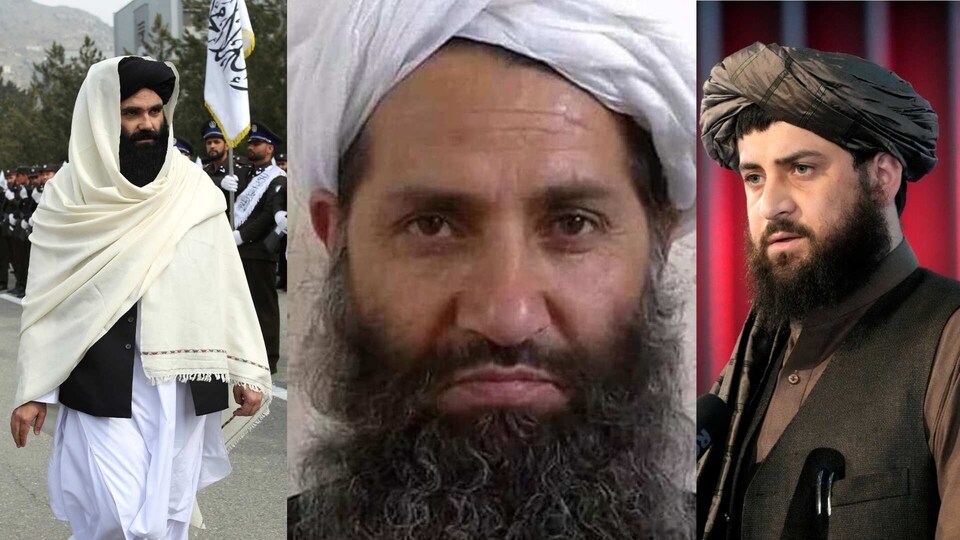
On February 11, Haqqani from his home base Khost said: “Our views and thoughts have dominated us to such an extent that power monopolization and defamation of the entire (ruling) system have become common…..this situation cannot be tolerated.” He added that the Taliban administration should desist from adopting policies that would drive a wedge between “the ruling system and the people, allowing others to exploit it to defame Islam.”
The powerful Kandahar faction of Akundzada got back the next day, essentially asking Haqqani to desist from vilifying the Emir in public as it was against Islamic ethics and suggested that the Interior Minister should air his grievances discreetly in private.
Just like in the past, politics and power are always complicated in Afghanistan with brute muscle, money, tribe and, of course, Pakistan playing a part in the new great game. One must remember that Mullah Akundzada lived his entire life in Pakistan before 2021 in Peshawar and Karachi and was under the protection of Rawalpindi GHQ against the US armed drone attack. It was the same Pakistanis who exposed the second Emir Akhtar Mansour to a deadly American drone strike in May 2016 in Balochistan. Akundzada is a Durrani Pashtun, Haqqani belongs to the eponymous Haqqani tribe from Loya Paktia in eastern Afghanistan and Taliban Defence Minister Mullah Yaqoob, son of Taliban founder and first Emir Mullah Omar, is a Ghilzai Pashtun from Zabul, neighbouring Kandahar.
According to available inputs, the Taliban government in Kabul with Haqqani and Yaqoob on the same side are at odds with the Emir-ul-Momineen or commander of the faithful over the downside of imposing ultra-conservative Sunni Islam on the minorities, particularly women of Afghanistan. Akundzada, who remains hidden from public view in Kandahar for security reasons, ordered the banning of Afghan women from most workplaces and all education since his ultra-conservative Sunni Pashtun group swept Kabul on August 15, 2021. Such is the draconian measures on women and minorities that even Haqqani, who heads the eponymous Haqqani Network terrorist organization, and Yaqoob, a former mujahid, are seen as moderates before Akundzada. This has resulted in the Taliban government being treated as a global pariah with no recognition and no institutionalized aid from the international community.
With the internal rift within the Taliban coming out in the open, this could lead to a leadership change in Kabul as the Kandahari clerics are backed with religious power or a Loya Jirga could be summoned to sort out the differences or Akundzada would have to make way for another successor. One must remember that Emir ul Momineen is a leader for life. But Afghan politics is more complicated than that and answers to these questions lie across the Durand Line in Rawalpindi GHQ of the Pakistan Army.
Today, there are serious differences between Pakistan and the Taliban government in Afghanistan with the former fencing the international border as per British Durand Line and the latter against it and wanting the entire Pashtun territory to come under Kabul control. While this has led to cross-border firing involving artillery, the matters have got so complicated that credible reports indicate that the Taliban government refused to give the travel visa to the present Director General (ISI), once their mentor cum handler, to visit Kabul and wanted the visit to be postponed to a later convenient date.
The second difference is over Taliban government's apathy to Pakistani demands of using Afghan clout to force Tehreek-e-Taliban, Pakistan, a designated terrorist group, to come to the table with Islamabad and declare a ceasefire. The TTP has been launching attacks against Pakistani security and army personnel in their demand for demerger of the Federally Administered Tribal Area with Khyber Pakhtunkhwa. It is understood that the Pakistani deep state reached out to Hibatullah Akundzada to pressurize the government in Kabul and the TTP leadership to re-negotiate a ceasefire with Islamabad, particularly after the Peshawar Shia Mosque attack that left 100 Pak policemen dead and scores injured. The Taliban government in Kabul on their part has made it clear that they have nothing to do with peace negotiations between Islamabad and TTP.
Thirdly, Pakistan is most miffed with the Taliban government in Kabul over its relations with India as New Delhi has made it clear that it will not abandon Afghanistan and has done all to provide much-needed food, Covid vaccine, and lifesaving medicine to the Islamic Emirate. While Pakistan still treats Afghanistan as its strategic depth against India, the Taliban government deals with New Delhi on bilateral terms and on the basis of mutual interest. This is totally unacceptable to Pakistan as it wanted the Taliban to be totally against India and take the line from erstwhile handlers in Rawalpindi on Kashmir.
Even though the differences between the Emir and the Taliban government came out last week, they have been simmering for quite some time as the rulers find the population going against them for draconian measures against women and minorities. This could also lead to civilian strife between Kandahar and Kabul, which will keep Pakistan in the power play as Pashtun tribes will fight among themselves in Afghanistan, forgetting the main issues on the table.


