
 E-Paper



Pakistan continues action against banned outfits
Pakistani authorities on Wednesday sealed several facilities run by banned groups and detained an unspecified number of people in several cities as New Delhi said it is waiting for more credible signs that Islamabad is serious about cracking down on terrorists.


Pakistani authorities on Wednesday sealed several facilities run by banned groups and detained an unspecified number of people in several cities as New Delhi said it is waiting for more credible signs that Islamabad is serious about cracking down on terrorists.
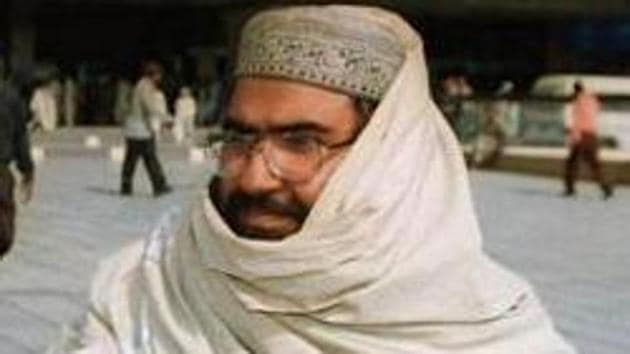
The action came a day after the interior ministry announced that 44 members of proscribed groups, including the brother and son of Jaish-e-Mohammad (JeM) chief Masood Azhar, were placed in “preventive detention” for investigation. JeM had claimed the February 14 suicide bombing at Pulwama that killed 40 troops and triggered the latest stand-off between India and Pakistan.
There was no word on the status of Azhar, with the media reporting that Prime Minister Imran Khan will decide whether he should be arrested.
In New Delhi, people familiar with developments said Pakistan had resorted to similar crackdowns and rounding up of leaders of banned groups after the 2001 attack on India’s Parliament, the 2008 Mumbai attacks and the 2016 assault on the Pathankot airbase, all carried out by Pakistan-based terror groups.
The people said they were waiting for more credible steps that will demonstrate Pakistan is serious about countering terrorists this time around. India will continue working with the world community to keep up pressure on Pakistan to deliver on its commitments to counter terror.
The people further said there were FIRs registered 43 of the people detained on Tuesday, though there wasn’t one against Azhar’s brother Abdul Rauf Asghar. They questioned whether Asghar had been formally taken into custody. The detentions were made under the Maintenance of Public Order law, which allows for persons to be held for 90 days, they said.
Most of the action taken by Pakistani authorities on Wednesday targeted facilities of Jamaat-ud-Dawah (JuD) and Falah-e-Insaniyat Foundation (FIF), groups led by Hafiz Saeed that were formally proscribed on Tuesday.
The government of Sindh province took over 56 facilities run by JuD and FIF, including schools, hospitals and madrassas, in cities such as Karachi, Hyderabad and Mirpurkhas, said Murtaza Wahab, advisor to the provincial chief minister. Similar action was taken in Balochistan province and in Rawalpindi, according to media reports.
Islamabad deputy commissioner Muhammad Hamza Shafqaat tweeted that authorities had taken over mosques and seminaries run by banned groups and handed them over to the Auqaf Department. Two seminaries run by JuD in Chakwal and Attock districts of Punjab province were taken over.
There was a muted response in the Pakistani media and on the streets to the detentions. Some TV news channels praised the move, saying it was in line with the National Action Plan to fight terror. Some political leaders, however, questioned the government’s motives. Asfandyar Wali Khan of the Awami National Party said the government has made such arrests in the past too but those detained were let off after some time.
Social media was abuzz with questions on whether the crackdown was an eyewash. Political commentator Gul Bukhari tweeted it would require a long process to convict those detained and people would have to wait and watch.


