
 E-Paper



To fix energy crisis, Pak shortens work week, bans weddings after 10pm. Check other steps
Surging energy (and food and fuel) prices and blackouts are a test for the Shehbaz Sharif administration that assumed office in April, after the Imran Khan-led government lost a trust vote.

 Prefer HTon Google


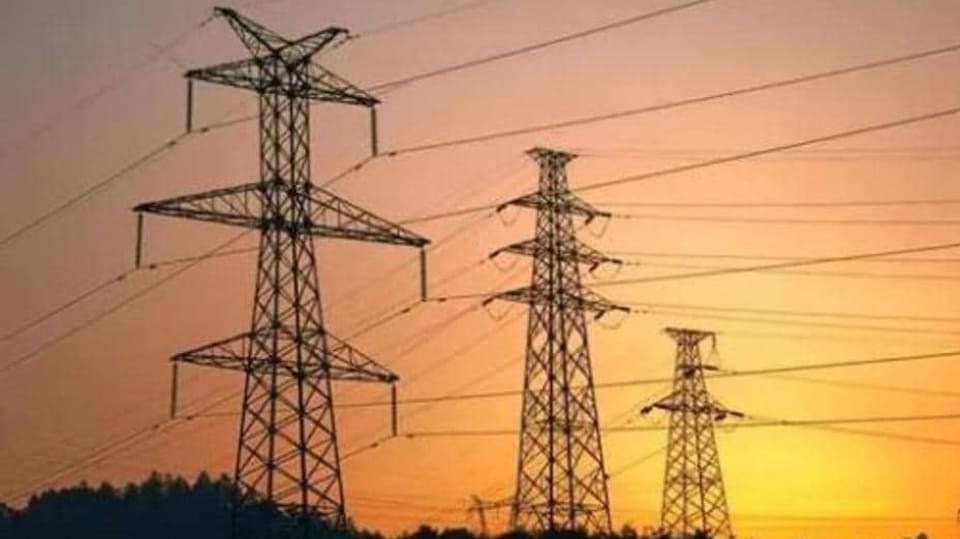
Pakistan is fighting an energy crisis and its people have experienced hours-long power cuts over the past month. More than one factor has been seen as contributing to the current situation – including soaring global fuel prices, local currency hitting record lows (against the dollar), and rising temperature leading to increasing power demand – and forcing the Shehbaz Sharif-led administration to take energy-saving measures to help the country.
Here's a lowdown of steps taken to help Pak out of the power crisis:
> Pakistan has ended its six-day work-week for government employees, Bloomberg said. The decision to work a sixth day - Saturday - was taken by prime minister Sherif to increase productivity but has backfired as it struggles to deal with the increased electricity and fuel demands.
> In addition, purchase of new vehicles and appliances - like air conditioners - by government officials and agencies will be stopped. Amount of fuel allocated to government offices will be cut by 40% and overseas trips will be halted. The government hopes to lower government offices' energy consumption by 10 per cent with these measures alone.
> The government is also exploring making Friday a mandatory work-from-home day for its employees.
> Discussions are being carried out with provincial authorities to switch off street lights on alternate days.
> In another move, wedding functions in capital Islamabad will be banned after 10pm, news agency PTI said citing local media. Violation of this rule - a notification has yet to be issued, though - will attract a penalty, reports said. Local media also said only one dish would be allowed.
Surging energy (and food and fuel) prices and blackouts are a test for the Shehbaz Sharif administration that assumed office in April, after the Imran Khan-led government lost a trust vote.
The nation is bearing the brunt of a global energy crunch prompted by rebounding post-pandemic demand and a squeeze on fuel supply as many nations shun Russian fuel exports because of that country’s war in Ukraine.
(With inputs from agencies)


