
 E-Paper



King Charles' love for homeopathy: This doctor will look after the royal family
Dr Michael Dixon will be leading the royal medical household, the Buckingham Palace said.

 Prefer HTon Google


King Charles has appointed a doctor to head the medical wing of the royal household. That is just a regular process, of course but the interesting part is that the doctor Britain's monarch has chosen has long supported alternative medicines. Dr Michael Dixon will be leading the royal medical household – the medical wing that comprises a range of physicians and surgeons to the monarch and the royal family- the Buckingham Palace said.
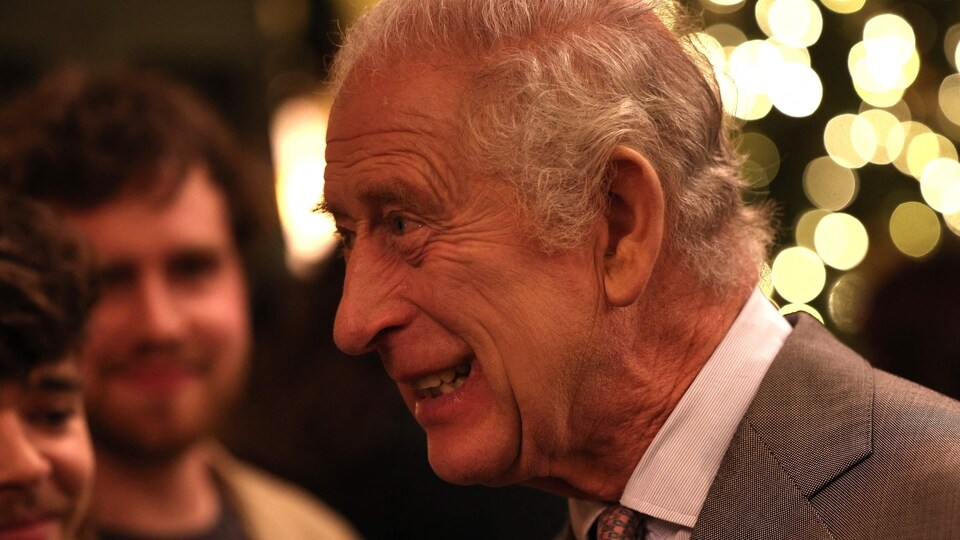
Buckingham Palace said in a statement that Dr Michael Dixon was a practising GP, a Fellow of the Royal College of GPs, and a Fellow of the Royal College of Physicians.
“Dr Dixon does not believe homeopathy can cure cancer. His position is that complementary therapies can sit alongside conventional treatments, provided they are safe, appropriate and evidence based,” the statement said, adding, “As Prince of Wales, The King’s position on complementary therapies, integrated health and patient choice was well documented. In his own words, ‘Nor is it about rejecting conventional medicines in favour of other treatments: the term complementary medicine means precisely what it says’.”
Who is Michael Dixon?
Michael Dixon has worked for NHS for almost 50 years and practices as a part-time GP in Devon. He has been an outspoken advocate for the complementary use of homeopathy and wrote a paper citing data which suggested “the effects of homeopathy may be real”. He was also appointed patron of the Faculty of Homeopathy in 2017.
The doctor previously worked as a medical adviser to King Charles when he was Prince of Wales.
What academics said on King Charles' doctor?
Edzard Ernst, emeritus professor at the University of Exeter, said the support for homeopathy undermines “undermining evidence-based medicine and rational thinking”.
“We and others have shown that homeopathy is not an effective therapy, which has today become the accepted consensus. To me, this means its only legitimate place is in the history books of medicine," he said.


