
 E-Paper



Taslima Nasreen says Khaleda Zia sided with jihadists, banned books: ‘Will her death end my exile?’
Nasreen also wondered whether her 31-year “sentence of exile” ends with the former Prime Minister’s death.

 Prefer HTon Google


Noted Bangladeshi writer Taslima Nasreen, who has been living in a self-exile in India, criticised former Bangladeshi Prime Minister Khaleda Zia, who died on Tuesday aged 80, over the latter’s alleged stance against “freedom of expression” and for banning books during her rule.
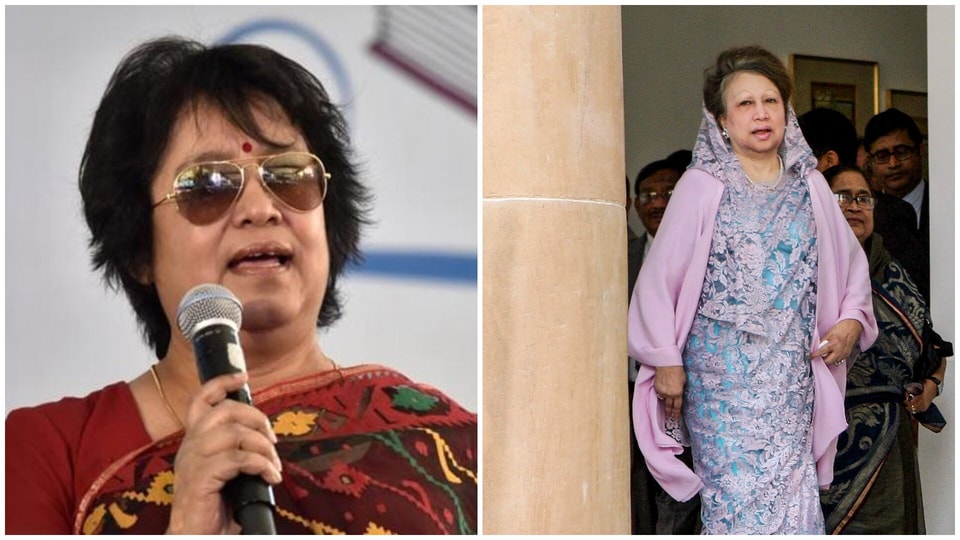
In a heavily-worded post on X (formerly Twitter), Nasreen wondered if the ban imposed by Khaleda on several books be lifted after her death. She also listed several books which she claimed were banned by Khaleda, including ‘Lajja’, Utal Hawa’, ‘Ka’, and ‘Those Dark Days’.
Also read: Khaleda Zia dies at 80: Widowed by a coup, she went on to rule Bangladesh twice | All about her life
Nasreen went on to say that if Khaleda’s “death now ends up protecting freedom of expression, so be it.” She then detailed how she was “unjustly” expelled under Khaleda’s rule and was allegedly not allowed to return home.
Nasreen also wondered whether her 31-year “sentence of exile” ends with the former Prime Minister’s death.
What Taslima Nasreen said
The controversial Bangladeshi writer, in a post on X, noted Khaleda Zia’s political rise from being a “housewife” to the country’s Prime Minister minister, before saying that she believes that Khaleda did not “suffer much after 1981” and that “everyone suffers from illnesses.
“Khaleda Zia has passed away. She was 80 years old. From a housewife she became a party chief, and served as the country’s prime minister for ten years. She lived a successful life—a long life. Sheikh Hasina kept her in jail for two years; apart from that period, I don’t think she suffered much after 1981. Everyone suffers from illnesses; she did too,” Nasreen wrote.
“I am thinking: with her death, will the bans on the books she had banned not be lifted? They should be lifted. She banned my Lajja in 1993. She banned Utal Hawa in 2002. She banned Ka in 2003. She banned Those Dark Days in 2004,” she added.
Nasreen added that while Khaleda was “alive, she did not stand up for freedom of expression by lifting the bans on those books. If her death now ends up protecting freedom of expression, so be it.”
Also read: ‘Battle of the Begums’: Khaleda Zia and Sheikh Hasina's rivalry over the years
Stressing on how Nasreen’s faced cases and legal action under Khaleda’s rule, she wrote, “In 1994, she sided with jihadists by filing a case for “hurting religious sentiments” against a secular, humanist, feminist, free-thinking writer. She issued an arrest warrant against the writer. And then she unjustly expelled that writer—me—from my own country. During her rule, she did not allow me to return home. Will her death bring an end to my 31-year sentence of exile? Or will unjust rulers continue to carry injustice, ruler after ruler, generation after generation?”
Khaleda Zia became Bangladesh’s first female prime minister in 1991 and was one of its most formidable political figures. Over the years, she and Bangladesh’s now ousted Prime Minister Sheikh Hasina became arch-rivals, however, the latter called Khaleda’s death a “profound loss”.
“As the first woman Prime Minister of Bangladesh, and for her role in the struggle to establish democracy, her contributions to the nation were significant and will be remembered. Her passing represents a profound loss for Bangladesh’s political life and for the leadership of the Bangladesh Nationalist Party,” read a statement by Sheikh Hasina.


