
 E-Paper



The Americans Striking It Rich in the Data-Center Buildout
One family sold its struggling farmland for $22 million, joining a new class of multimillionaires who are cashing in on the AI data-center boom.


 Prefer HTon Google


SALEM TOWNSHIP, Pa.—When land developers drove to Marilee and David Kiliti’s farm two years ago, the couple invited them into their home, sat them down and sliced up some deer bologna.
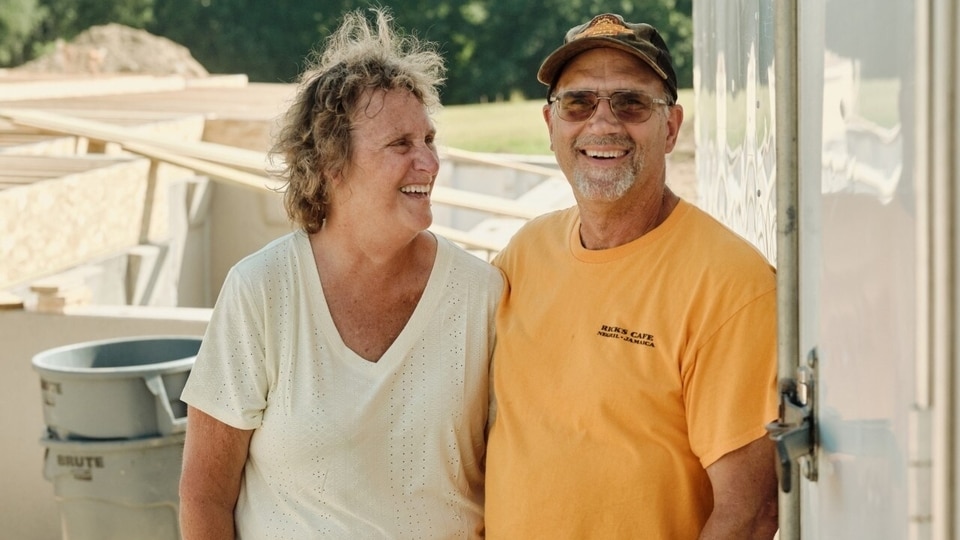
The men told the Kilitis that their 89-acre farm in this rural town of 4,000 might be worth more than $20 million. To Marilee and David Kiliti, that ridiculously high price sounded like a bunch of deer bologna.
The couple thought the fields where the family raised and butchered hogs would be lucky to fetch even a fraction of that. Unlike other parts of the state, there was no oil or natural gas in the ground.
But the developers had no interest in farming or fuel. The Kilitis’ land was worth a fortune—more than $22 million—as the future site of a data center.
Towns and neighborhoods across the country have rejected data centers. Residents have staged noisy protests, with public anger driving a movement against the spread of these massive, multibillion-dollar projects. At the same time, a select few are quietly saying yes to data centers and becoming wealthy in the process.
The Kilitis are one of 96 families in Salem Township, an unassuming community in the northeastern part of Pennsylvania, who collectively sold about 1,700 acres to a single data-center developer, QTS, an arm of the investment firm Blackstone. The families sold for an average of $330,000 an acre and earned $5.5 million on average. The total sale price was $586 million.
These Pennsylvania families are part of a burgeoning class of newly minted multimillionaires. They are raking in fortunes because they own one of the most valuable commodities in the U.S. today: land that can be used to build a data center for artificial intelligence.
Some sellers were of modest means. Several lived in double-wide trailers. Others were successful small-business owners and professionals. One was a felon who embezzled money from the bank where she worked. Another was a hard-rock drummer. To celebrate the haul, the sellers printed T-shirts: “1 DEAL OF A LIFETIME.”
In some ways, it is déjà vu for Pennsylvania. Two decades ago, the state’s natural-gas resources made it a magnet for land speculation. But that bonanza largely skipped over Luzerne County, where the families live and which has a median household income of less than $64,000, ranking below the national average.
With data centers, the sales can match or exceed the royalties paid during the natural-gas boom. Since the $586 million sale closed, another data-center sale is in works next door: 200 land sellers eyeing $1.3 billion.
The land is attractive today because its connection to energy sources needed by data centers was already in place. Existing transmission lines and substation infrastructure also serve a nearby natural-gas plant and a nuclear plant.
While the Kilitis hired a financial adviser to manage their wealth long-term, that hasn’t stopped them from some spending. They bought a new Toyota Sequoia and plan to buy a Polaris Slingshot—an open-top, three-wheel roadster for tooling around country roads. This summer, they are hosting 20 family members at a 10-bedroom house near Breckenridge, Colo.
They are also building a new dream house. In June, they surveyed the land on a hilltop above Shickshinny Lake. They pointed out where the pool was going, then to the site of a future basketball court and the wraparound porches that would flank both stories of the “barndominium”-style home. They highlighted plans for the theater room and the really big shower, like the kind they had seen on vacation.
Best of all were plans for the second-story master bedroom, with the hot tub on the deck, where the pair can watch the sun set.
“Nothing crazy,” David Kiliti said.
The Kilitis didn’t make much of a living from the old farm. David Kiliti took construction jobs, and Marilee Kiliti most recently worked as a forklift driver before retiring.
In a failed effort to bolster their hog business, they once cashed out a life-insurance policy and went into debt trying to build a very large hog barn. Neighbors blocked the plans and organized an opposition group. They planted anti-hog-barn signs all over town, and persuaded the local government to pass an anti-hog-barn ordinance.
“It was horrible,” Marilee Kiliti recalled. “I wouldn’t even go into Berwick,” the bigger town nearby, “because you’d get stared at,” she said.
Now that debt is paid off, and the hog-barn fracas is a distant memory.
Other land sellers are buying local businesses, including a furniture store and a clay-pigeon shooting retreat. One of Kilitis’ daughters purchased a local brewery. Another daughter, a doctor, will start a cancer-research foundation with some of the money.
“We said that somebody should open up a monster truck dealership in the middle of town,” said Jack Sordoni, a local and one of the land developers who organized the property assemblage that was sold to QTS. More than three-quarters of the land sellers are staying within 25 miles of the data-center site, he said, many of them buying more land and building new houses.
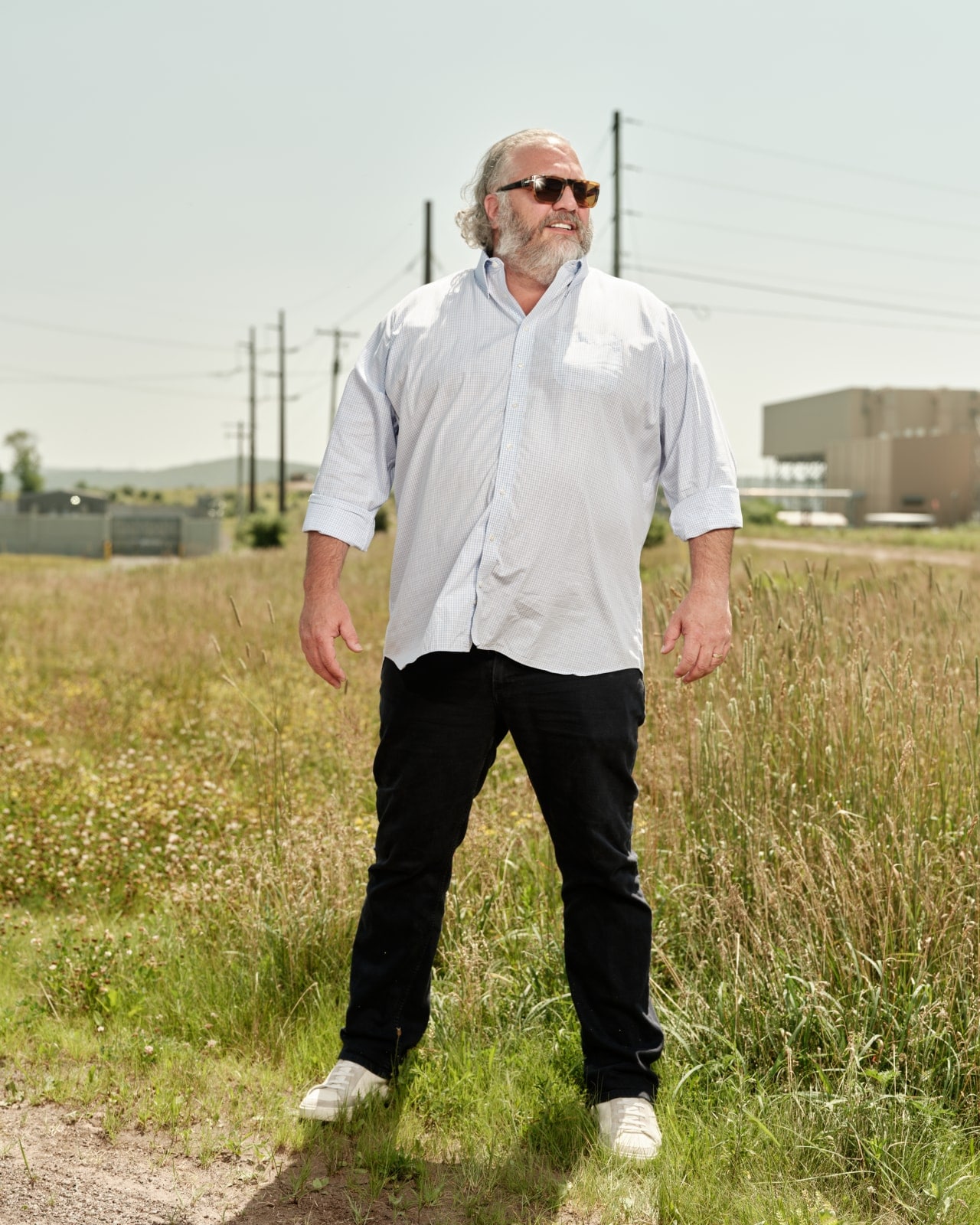
Sordoni, an imposing man with a loud, crackling voice, spent most of his career assembling land deals for oil and natural-gas projects. He got a tip two years ago that Amazon.com was going around trying to buy land for some kind of major development.
“I didn’t even know what a data center was,” Sordoni said.
He quickly read up on the matter. He then began plotting out a new server-farm site that would border the one Amazon was already building.
Not every landowner was quick to sell. For some, it was difficult to leave behind places their families had lived for generations. Others were skeptical of the sale and had been approached with lowball offers in the past. When the numbers became more real, and QTS came into the picture, there were fewer holdouts.
Some landsellers hired lawyers to try to negotiate away the brokerage fee, Sordoni said, including one lawyer who challenged him to fisticuffs. Sorting out overlapping claims of land ownership among family members also caused headaches.
For the dozens who are now rich from his efforts, Sordoni and his firm, 4-3 Consulting, are heroes. He still keeps in touch with the families and recently attended a gun raffle with David Kiliti. One of the landsellers even asked him to officiate their wedding.
“We would shoot guns with them, drink beer with them, pray with them,” Sordoni said.
But in nearby Mifflinville, Pa., Stephanie Black has been fighting a proposed data center. She said she is no fan of the land sales in Salem Township, either.
“You just sold out your entire town that you supposedly loved,” Black said. “Money is the root of all evil. And we’re seeing that unfold right now, majorly.”
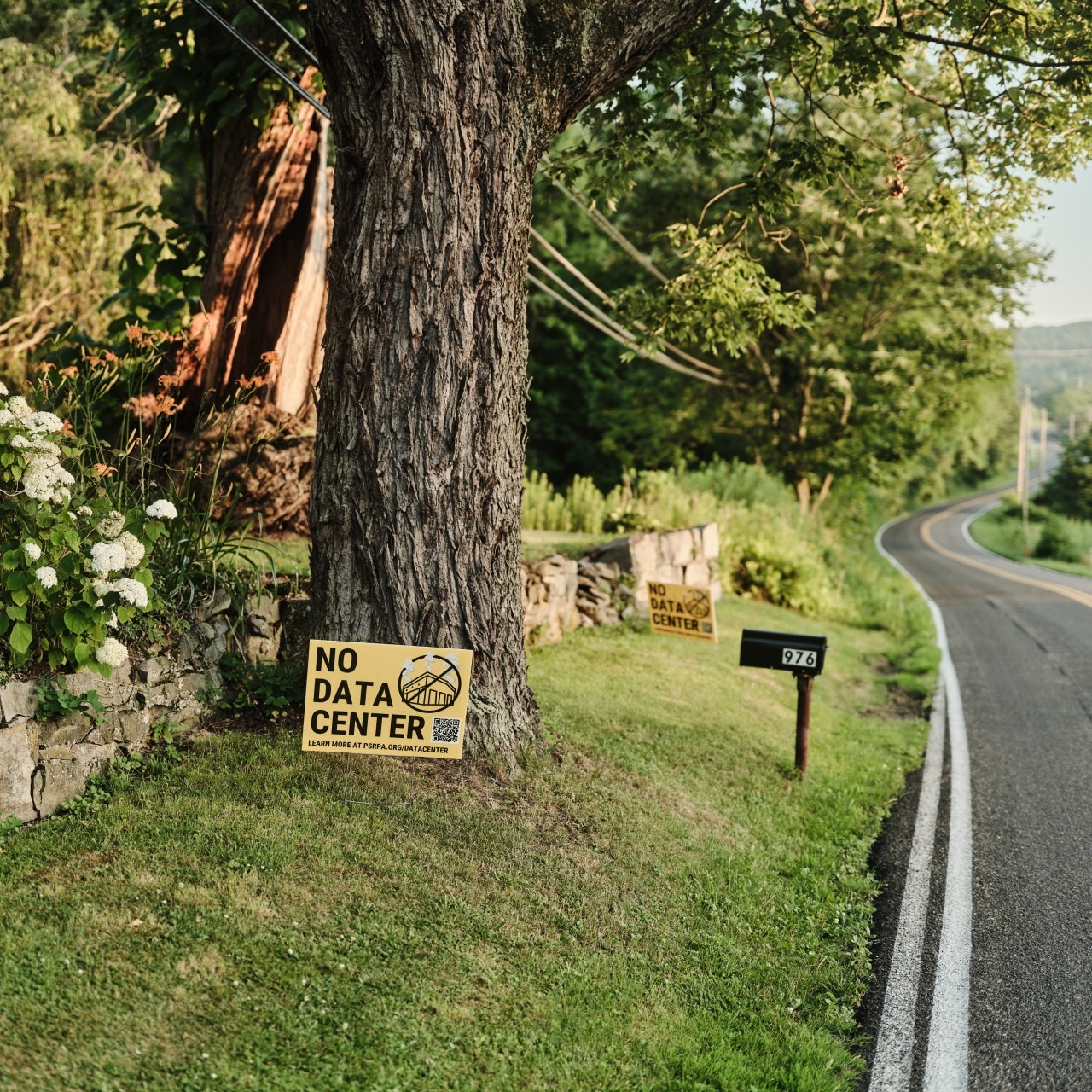
Black, like many in the region, has a “no data center” sign in her front yard. She worries about her rural community being filled in by server farms and threats to the environment. She said she knows three people who moved into Mifflinville just to get away from the data centers in Salem Township. Now they could get a data center anyway.
The Kilitis are hopeful that data centers will do more for the local economy than make landowners rich. They point to 50 permanent jobs coming to each of the 12 buildings in the project, as well as the more than 1,500 total projected construction jobs. They also note the tax revenue and other financial benefits
“You don’t want to work in this area,” David Kiliti said, describing the weak local economy. “If you drive an hour, or an hour and a half, then you can make some decent money.”
On a recent evening at the Berwick Golf Club, Sordoni addressed a room of 200 “future millionaires,” who have all agreed to sell their land in a potential $1.3 billion data-center deal. The sellers were introduced to financial advisers from Merrill Lynch, Wells Fargo and other firms.
“For 50 years, your property values have not kept up with the rest of the country,” Sordoni told the land sellers. “And oh, how the pendulum has swung.”
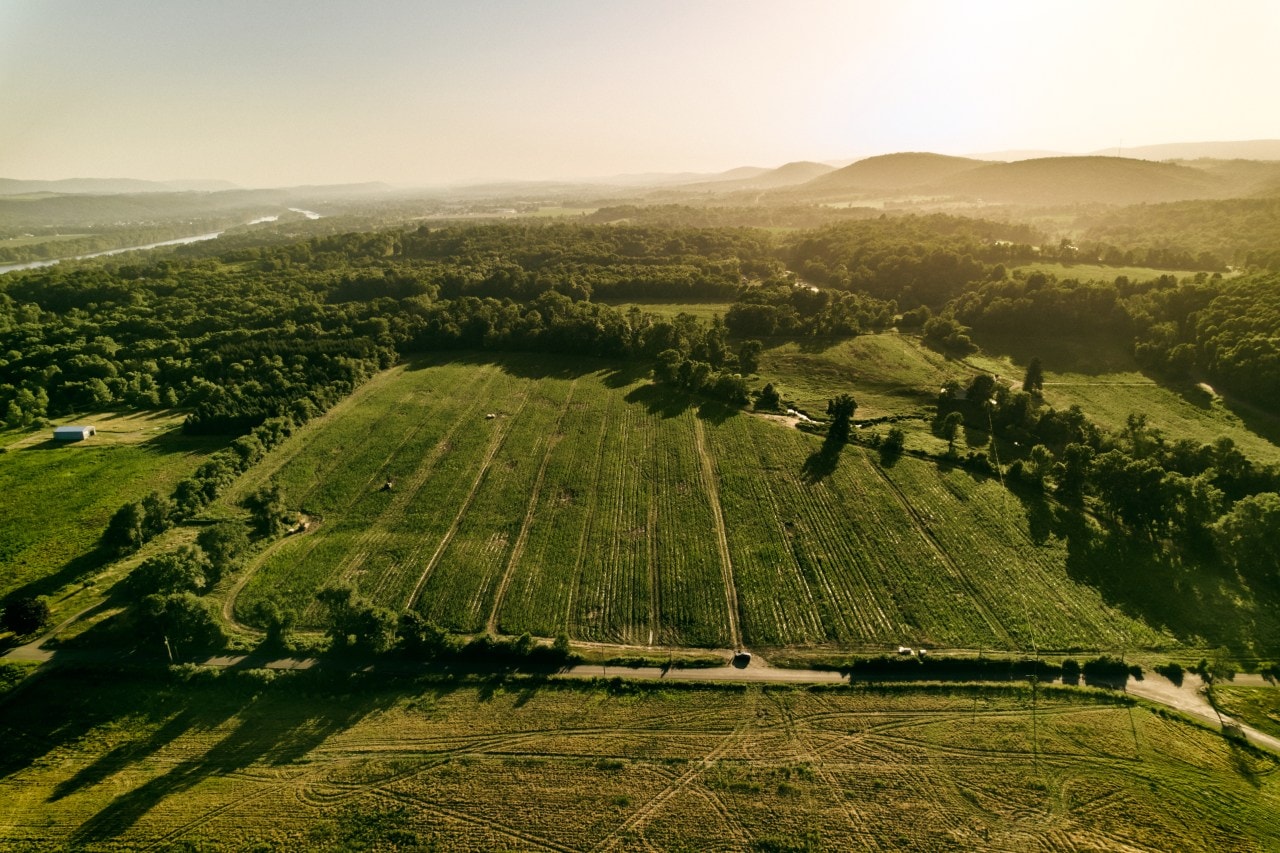
As for the Kilitis, life on the old family farm in the gently sloping valley, framed by miles of mountains across the Susquehanna River, was serene.
“We still have a beautiful view,” Marilee Kiliti said. “We’re going from one view, to the next.”
Write to Will Parker at will.parker@wsj.com


