E-Paper



They Set Out to Find the American Dream. They’re Stuck in a Mexican Nightmare.
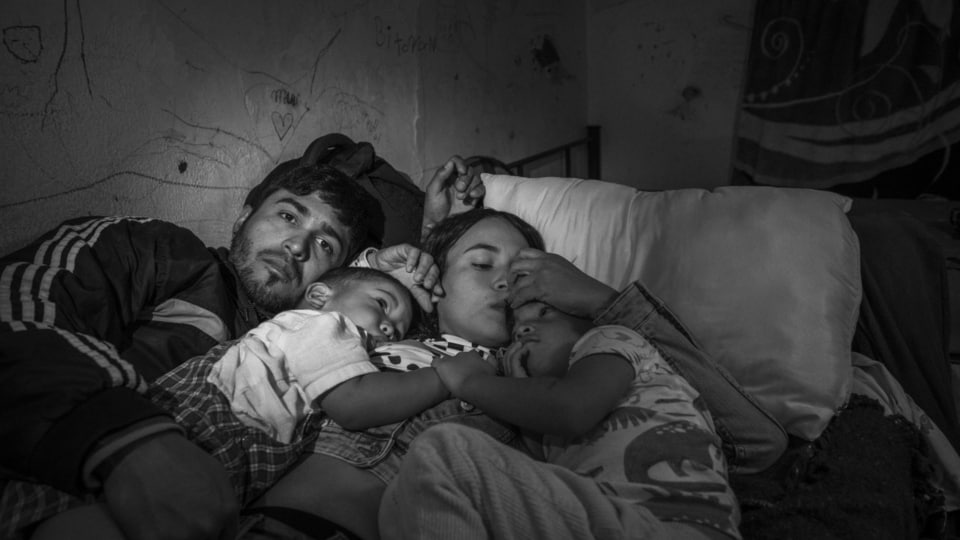
Cesar Atencio and Lina Arias wanted a better life. Instead, they faced gangs, kidnappers and a closed border.


 Prefer HTon Google


CIUDAD JUÁREZ, Mexico—Cesar Atencio and Lina Arias rushed with their two small children toward the U.S. border in January, aiming to beat the crackdown on immigration President Trump had promised when he returned to office.
They didn’t make it.
Crossing Mexico’s Chihuahuan Desert in a van on a frigid morning, they were stopped by gang members posing as police and kidnapped for ransom.
“They told us they had good news and bad news,” said Arias, 27. “The bad news was for us, that Trump was president and that the border was closed. The good news was for them, that smugglers would be able to charge more for trafficking people and drugs.”
The Trump administration’s hardened border controls and pledges to deport migrants en masse have all but halted the flow of people toward the U.S.-Mexico border for the first time in decades. U.S. authorities say migrant encounters at the border are down 93% from a year ago, to about 7,800 in July.
Countries from Ecuador to Costa Rica to Guatemala are becoming more restrictive to migrants, too. Latecomers to the largest movement of people in the region’s modern history are stuck in limbo all around the Americas.
Few are returning home. The violence, political persecution and galloping inflation that drove them from countries including Venezuela, Haiti and Ecuador persist. Those who do want to go back often lack the money or documents to do so. Several hundred thousand migrants are stuck in Mexico alone, aid workers and United Nations officials estimate.
“We wanted to find a safe place, but all the doors keep shutting,” said Atencio, 32.
Kidnappers released his family after nearly a month in exchange for a $1,000 ransom, Mexican state prosecutor records show. The family has lived since then at a shelter in this border city, where Atencio has worked construction and food delivery jobs to support them.
Their fate and well-being are part of a mounting political challenge for Latin American leaders including Mexico President Claudia Sheinbaum. She has sought to earn goodwill with the U.S. on matters including trade by fighting drug cartels more aggressively than her predecessors and helping curb illegal migration to the U.S. Now, with Mexico’s economic ties with its largest trading partner as uncertain as ever, the ramifications of Trump’s immigration policies are giving her new domestic problems to solve.
“This whole problem is like a monster growing before us, and there’s little we can do about it,” said Román Domínguez, an evangelical pastor who runs a shelter for a few dozen migrants in Ciudad Juárez, near the pedestrian bridge to El Paso, Texas.
‘Nothing to lose’
Atencio’s odyssey began in 2018, when he joined the eight million people who have fled political persecution and economic collapse in Venezuela under authoritarian leader Nicolás Maduro. Atencio crossed the border into Colombia, where he worked at restaurants, some of the only work available without a passport or birth certificate.
He met Arias, moved in with her and started a family. For two years, he worked at an arepa shop in Apartadó, a small city in the cartel territory of northern Colombia. The family watched a river of migrants pass through on their journeys toward the U.S.
“Everyone was doing it,” Atencio said. “They made it seem easy.”
Worn out from low wages and high crime, they decided to join in. The couple packed their lives into a couple of rucksacks. They hid their life savings of $1,150 inside hair ties nestled among their clothes. The night before they departed in April 2024, they whispered to each other in bed: “We have nothing to lose.”
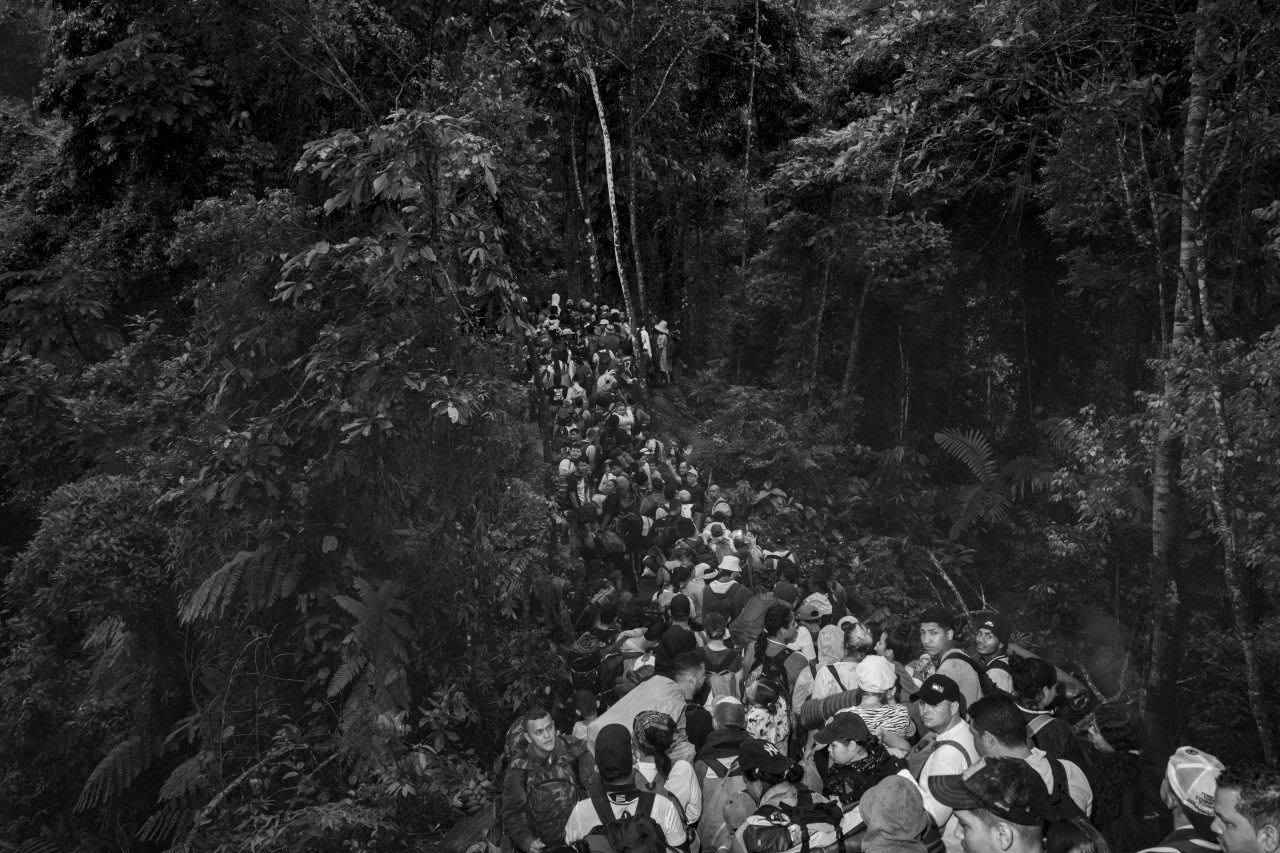
They joined a caravan of migrants wading through Panama’s Darién Gap jungle, crossing rivers and climbing mountains with their youngest child, Simón, an infant, strapped to Atencio’s chest.
They fell behind their group and got lost. Their tent collapsed under torrential rains.
After a week in the jungle, they continued through Central America by bus. When they reached the southern Mexican city of Tapachula in July, a gang detained them for four days until they paid a few hundred dollars.
In Mexico City in August, they bought and resold candy and Popsicles on the streets to raise money for the next leg of the trip. By January, they had made enough to hitch rides north with other migrants huddled atop freight trains that carried chemicals and scrap metal.
They strapped their two boys down as the trains lurched northward. Angel, 4, recalls one train colliding with a cow, splattering blood and guts on the family. Migrants hopped off to take any meat that could be turned into a meal. Atencio grabbed a hoof, which they used to make soup at their next stop.
The stress of the journey, and the cold, sapped the children of their appetite.
Arias was consumed by guilt for bringing them along. “I’m an adult, I made my own choices to do this,” she said. “But they depend on me.”
Atencio described the next few months as a countrywide version of Chutes and Ladders. Twice they traveled hundreds of miles north only to be stopped at roadblocks by Mexican migration officials and sent back to the country’s southern border.
After Trump won a second term in November, Atencio and Arias decided to make one last dash at the border. Kidnappers nabbed them from the van they were sharing with 10 other migrants on Jan. 12, according to prosecutors’ documents. Gang members made Atencio cook and sweep the warehouse where his family was held with dozens of other migrants.
The gang sent text messages to Atencio’s mother in Venezuela with his image altered to appear beaten and bloodied. They demanded $2,500 for the release of each of the four people in his family.
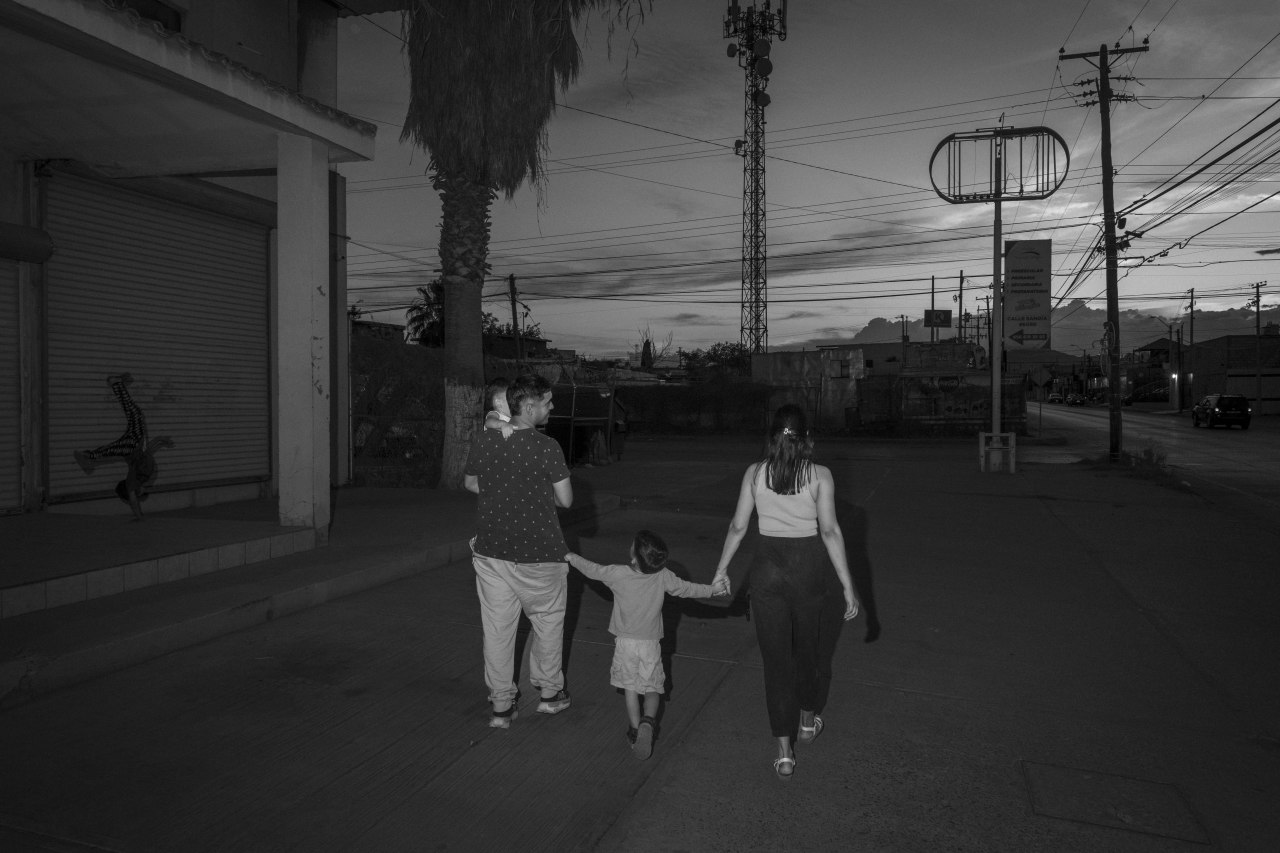
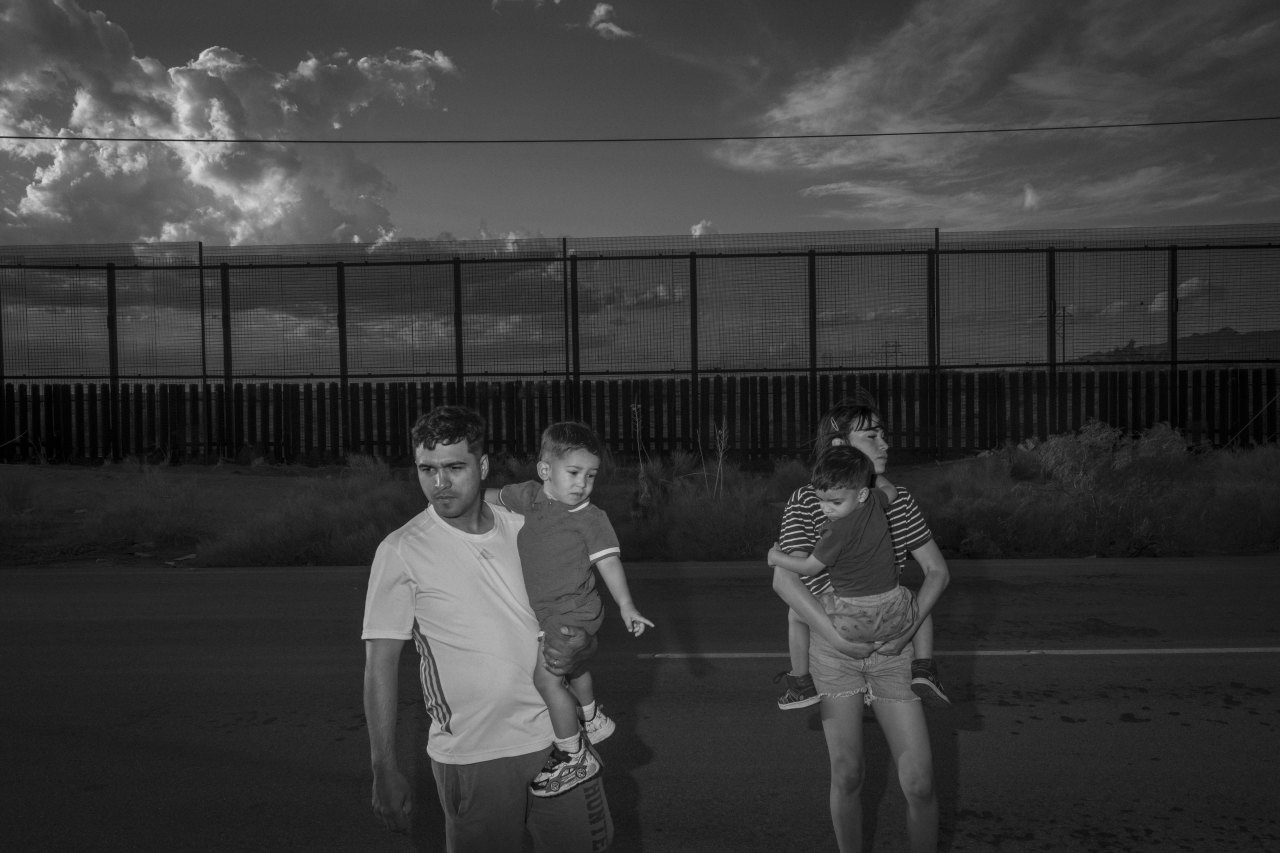
After 25 days, Atencio’s family wired $1,000. The gang dumped the family on the side of a remote road, where police picked them up and took them to Ciudad Juárez. They are now too scared to wander far from the shelter. A fence nearby separates the city from downtown El Paso.
The pull of the U.S.
Mexico has provided shelter space, jobs and counseling as part of its “Mexico Embraces You” program. But those services are reserved for Mexican citizens deported from the U.S., not migrants from other countries. That has left charities and local governments to deal with stranded migrants.
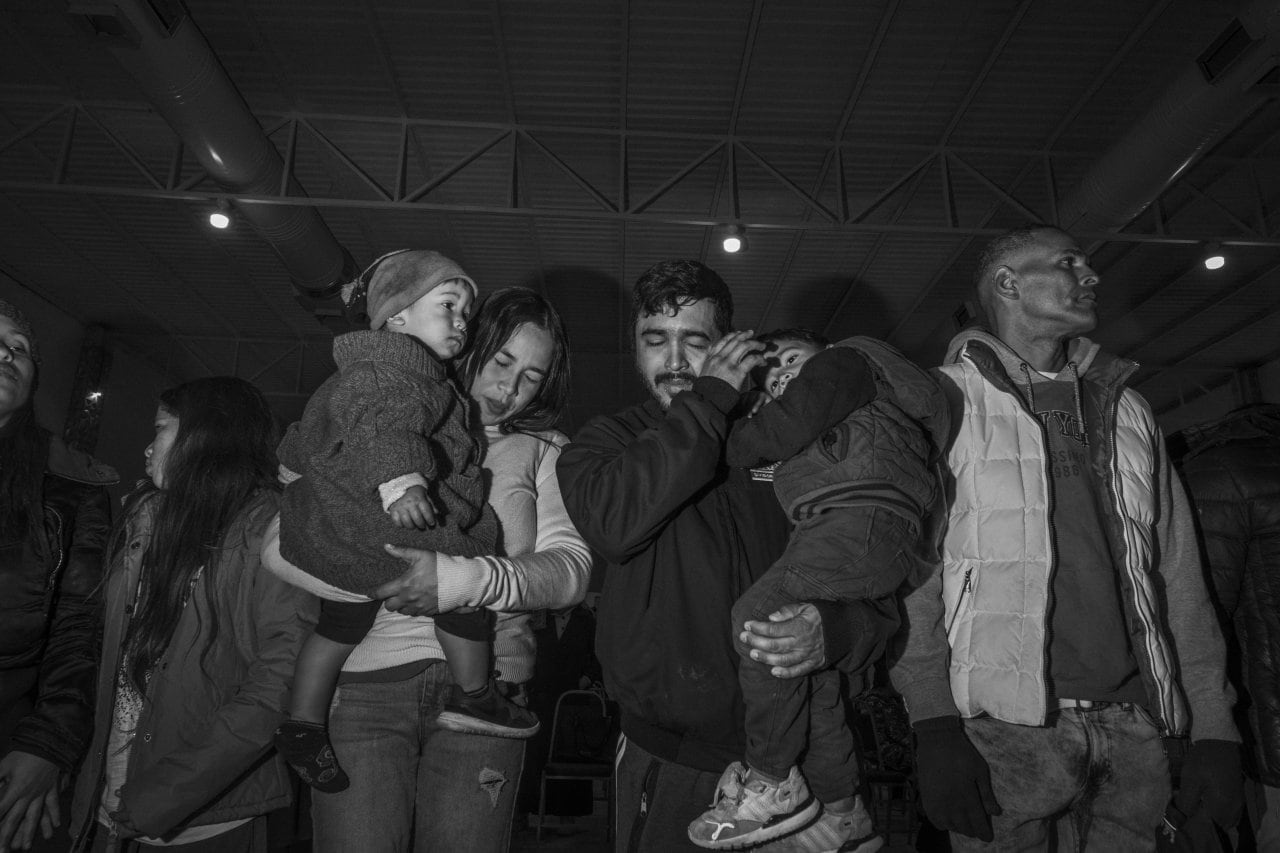
On a recent day, some 20 migrants filled Domínguez’s one-room shelter. Some had fled threats in their home countries in South America. Others left the U.S. after Trump returned to office because they feared they could be arrested.
A few of them were operating a dough-kneading machine that Domínguez bought to make doughnuts that migrants could sell on the streets. Migrants used to find work along the border in factories making parts for shipment to the U.S. But Trump’s tariff threats have slowed demand and hiring at Mexican manufacturers.
“None of these people came all this way to get trapped here,” Domínguez said. “So what are we going to do to help them on their way?”
Domínguez worries about desperate migrants using more expensive and riskier routes to sneak into the U.S. A Guatemalan family that was living at his shelter recently paid a smuggler $7,000 to get to the U.S. on a route that cost $2,000 a year ago, he said.
Aid groups have had little luck convincing migrants to stay in Mexico rather than making the leap to the U.S. A decade ago, many Haitians settled in the Mexican border city of Tijuana, forming their own Little Haiti. After the Biden administration granted temporary protective status to Haitians who couldn’t return to a home country beset by brutal gang warfare, many left for the U.S.
Recent changes have forced migrants to reconsider their plans, but many are still contemplating a future American dream, if delayed.
“You will always have this U.S. pull. The economy, the work, the dollars, I mean, it’s always going to be there,” said Jeremy MacGillivray, deputy chief for the U.N.’s International Organization for Migration in Mexico.
Destination unknown
Atencio caught a break in March when he found work in Ciudad Juárez as a carpenter for minimum wage, or about $20 a day. He saved up to buy a cheap motorcycle and in recent weeks has shifted to running routes for a food delivery app, earning as much as $50 a day.
The money helped pay for the white dress Arias wore when they married in June at the city’s civil registry office.
Simón and Angel weren’t there because small children aren’t allowed in the building. Among the only attendees were four volunteers from Integral Human Rights in Action, a local rights group.
The wedding was made possible after the group petitioned the civil registry for months to exempt the family from providing required documents, such as the birth certificate Atencio can’t get from Venezuela.
Karla Gutiérrez, who leads the registry and officiated the wedding, said her agency has granted exceptions to prevent migrant families with multiple nationalities from being separated.
“There is a sense of urgency because there are many cases like this,” Gutiérrez said.
After the wedding Atencio and Arias returned to the shelter to have lunch with some of the 50 migrants staying there.
A short while later, Atencio was back on his motorcycle delivering pizzas and burgers.
The couple said they expect to stay in Ciudad Juárez until the end of the year, saving money for their next destination, hoping to find stability somewhere before their children are old enough for school.
Atencio said he’s still dreaming about one day living in the U.S. Arias’s family in rural Colombia is urging her to come back.
“Do we wait for Mr. Trump to leave? Or do we try to go somewhere else like Spain or Canada? I just don’t know,” Atencio said after a walk with his family at the border. Nearby, a U.S. tank was perched on a hilltop overlooking the dividing wall.
Arias offered an answer, echoing a refrain she’s seen increasingly pop up on her social-media feeds: “Let’s see if the American dream can turn into the Latin American dream.”
Write to Kejal Vyas at kejal.vyas@wsj.com