
 E-Paper



Trump’s Attorney General Pick Hits Trouble in Senate
GOP holdouts want “anti-weaponization fund” formally killed before they will vote for Todd Blanche.


 Prefer HTon Google


WASHINGTON—President Trump’s nomination of Todd Blanche as attorney general hung in the balance Wednesday, as the administration struggled to win over holdout Republicans who could block the pick from advancing.
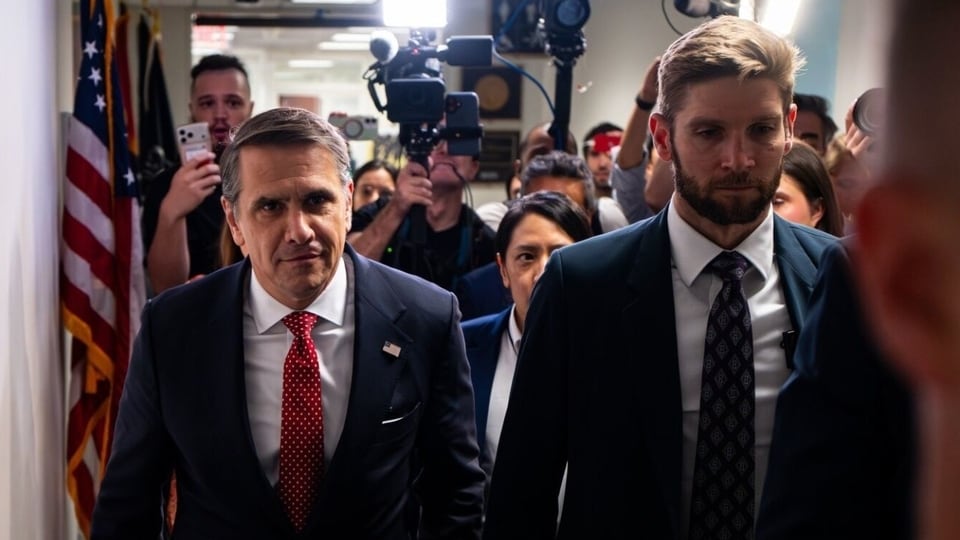
The Senate Judiciary Committee had scheduled a vote Thursday on whether to send Blanche’s nomination to the full Senate floor, but it was unclear if that vote would go ahead, given the GOP objections.
Sens. John Cornyn (R., Texas) and Sen. Thom Tillis (R., N.C.) warned they could vote against Blanche in the committee unless the administration permanently kills off a controversial $1.8 billion “anti-weaponization fund.” That fund was created in an agreement between Trump and his administration that ended the president’s lawsuit against the Internal Revenue Service.
Administration officials “just need to make a decision,” Cornyn said of a possible deal regarding ending the fund. “If they do, then we’ll proceed” with the vote on Thursday.
“Bottom line is, we just need an executed agreement,” said Tillis, who like Cornyn had a falling-out with Trump and is leaving the Senate after this term. “This is a fairly straightforward proposition. And we’re almost there, too.”
He said only one provision remained a sticking point and that the Justice Department was working toward revising a provision of the settlement agreement.
“We are working on getting a solution,” said Sen. Chuck Grassley (R., Iowa), the Senate Judiciary Committee chairman, leaving a meeting in Cornyn’s office Wednesday evening.
A Justice Department official didn’t immediately respond to requests for comment. Earlier in the day, the official said the department had sent Cornyn’s office a written proposal that it believed would satisfy his demands, a department official said. But Cornyn told reporters he hadn’t seen anything that did so.
Blanche has been serving as acting attorney general since April, when Trump fired his predecessor Pam Bondi. A single no vote from a Republican senator would effectively sink Blanche’s confirmation to the permanent role, assuming all Democrats are opposed.
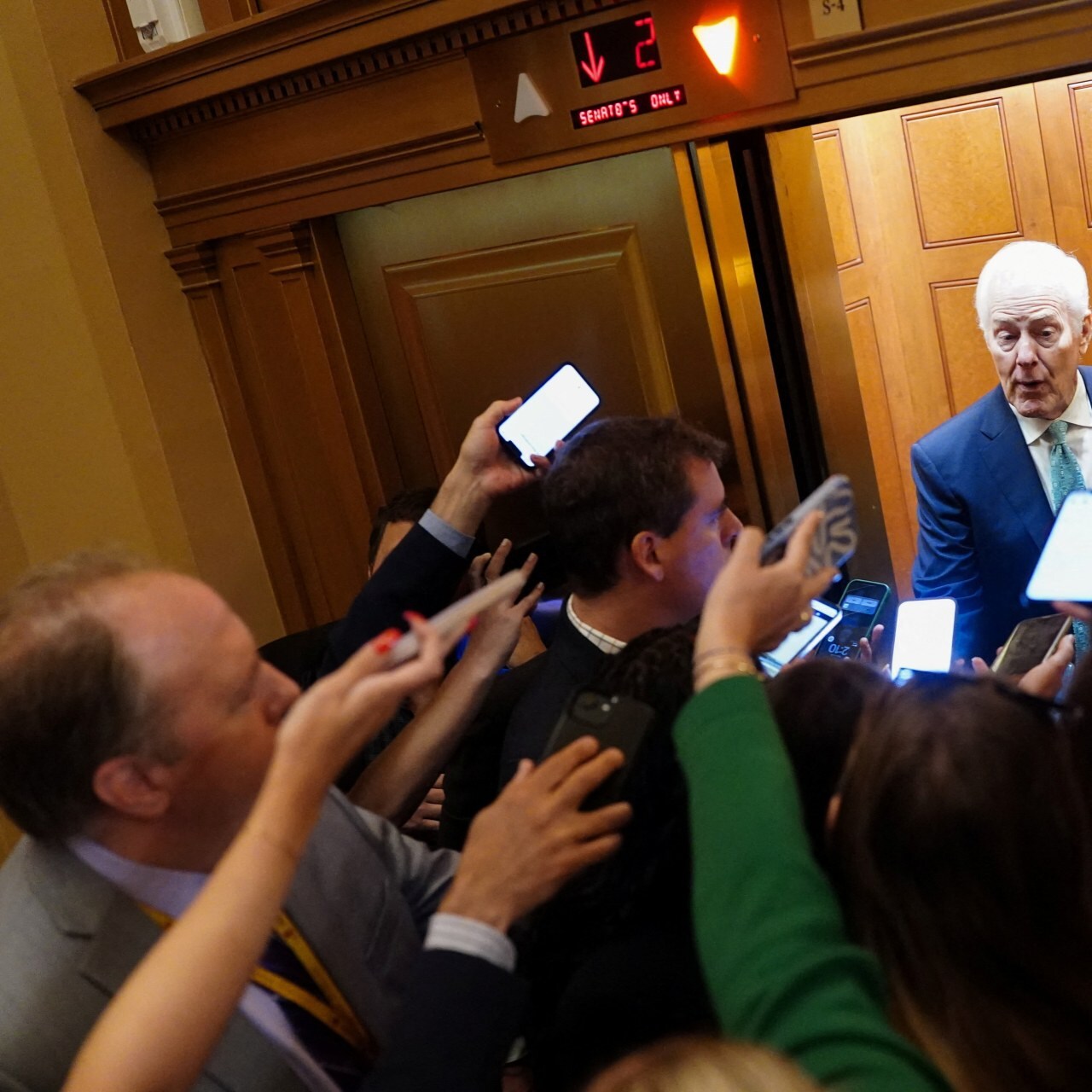
Cornyn postponed a meeting with Blanche on Wednesday morning, saying he had made clear from the outset that he expected a written proposal to modify the IRS settlement.
Cornyn said early in the day that the Justice Department had until 4 p.m. Wednesday to comply or Thursday’s vote likely would be canceled. “Maybe they think I’ll just give up or go along, but they’re mistaken…They’d better get real. And there’s not much time left,” he said. The deadline passed with no deal.
During his confirmation hearing this month, Blanche tried to ease senators’ concerns over the settlement, which included the fund and a related order Blanche signed giving Trump sweeping legal protections from government actions. He said repeatedly that the Justice Department had abandoned the fund, but Cornyn said he wasn’t persuaded.
The text of the deal creating the fund said that it could be changed only with agreement of all of the parties who signed it, including the IRS, the Justice Department and Trump in his personal capacity. Under sharp questioning by Cornyn, Blanche said those entities hadn’t altered the agreement and acknowledged that Trump could theoretically sue the government for breach of contract for failing to create the fund.
A related order also ceased any pending tax audits of Trump, his family and his businesses, and Blanche has said that prohibition remains in effect. That order said it applied to the plaintiffs in a lawsuit brought by Trump against the government and to “related or affiliated individuals,” including trusts and related companies.
Under questioning from Cornyn, Blanche said the order didn’t apply to anyone beyond Trump, his two sons and the Trump Organization, the plaintiffs in the lawsuit.
Similarly, the written order said it applied to the defendants in the lawsuit—the IRS and the Treasury Department—and “other agencies or departments.” Pressed by Cornyn about whether other agencies such as the Securities and Exchange Commission would be covered by the promise, Blanche said that they wouldn’t.
Write to Richard Rubin at richard.rubin@wsj.com, Sadie Gurman at sadie.gurman@wsj.com and Lindsay Wise at lindsay.wise@wsj.com


