E-Paper



Trump dials down after Iran hits world's largest LNG plant in Qatar: 'Israel won't attack...'
US Iran war: Donald Trump said he did not want to authorize such destruction but would do so if Qatar’s LNG facilities are targeted again.

 Prefer HTon Google


US President Donald Trump said Israel will not carry out further attacks on Iran’s massive South Pars gas field, while warning that the United States could “massively blow up” the facility if Tehran launches additional strikes on Qatar’s liquefied natural gas (LNG) infrastructure.
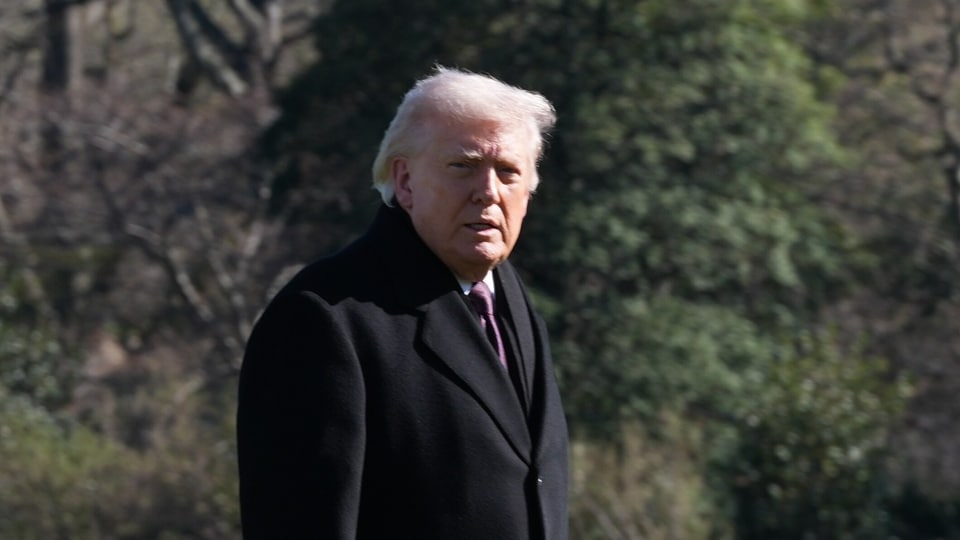
“NO MORE ATTACKS WILL BE MADE BY ISRAEL pertaining to this extremely important and valuable South Pars Field,” Trump wrote in a post on Truth Social late Wednesday.
However, Trump warned Iran that Washington would respond forcefully if Qatar’s LNG facilities are targeted again, as the widening Middle East conflict increasingly threatens global energy supplies.
“I do not want to authorize this level of violence and destruction because of the long-term implications that it will have on the future of Iran, but if Qatar’s LNG is again attacked, I will not hesitate to do so,” Trump wrote.
The warning came as Qatar said Iranian missile strikes had caused extensive damage to additional LNG sites in the energy-rich Gulf nation.
Track Live Updates on Iran US War here
QatarEnergy, the country’s state-owned oil and gas company, said Thursday that missile attacks damaged facilities and sparked sizable fires. Firefighters were working to extinguish the blazes and no injuries had been reported so far.
Qatar is one of the world’s largest exporters of liquefied natural gas and a critical supplier to global energy markets. The country had already halted production earlier in the conflict, but officials warned that extensive damage could delay the return of supplies even after the war ends.
The attacks on Qatar followed an Israeli strike on Iran’s offshore South Pars natural gas field in the Persian Gulf, which Iran shares with Qatar. Tehran condemned the strike, with Iranian President Masoud Pezeshkian warning of “uncontrollable consequences” that could engulf the world.
Trump also said the United States had no role in the recent strike on Iran’s massive South Pars natural gas field and that Qatar was also not involved.
“Israel, out of anger for what has taken place in the Middle East, has violently lashed out at a major facility known as South Pars Gas Field in Iran,” Trump wrote.
He said the attack targeted only a relatively small section of the vast facility and stressed that Washington had no prior knowledge of the strike.
“The United States knew nothing about this particular attack, and the country of Qatar was in no way, shape, or form, involved with it, nor did it have any idea that it was going to happen,” Trump said.
Iran also launched attacks on energy facilities across the Gulf, striking gas sites in the United Arab Emirates and targeting Saudi Arabia’s oil-rich Eastern Province, as well as Kuwait and Bahrain.
Qatar on Thursday also strongly condemned Iran’s attacks on energy facilities in neighboring Gulf states.
In a statement, Qatar’s Ministry of Foreign Affairs said the country “condemns in the strongest terms the Iranian targeting of energy facilities in the Kingdom of Saudi Arabia and the United Arab Emirates over the past two days,” calling it a blatant violation of international law and a serious threat to global energy security, navigation and the environment.
The ministry said Iran’s attacks had “crossed all red lines by targeting civilians, civilian objects and vital facilities,” and stressed the need to spare the region the consequences of what it described as unjustified attacks.
Qatar reiterated its “full solidarity” with Saudi Arabia and the United Arab Emirates and voiced support for all measures taken by the two countries to safeguard their sovereignty, security and territorial integrity.
The escalating attacks on energy infrastructure have intensified fears for global oil and gas supplies. Oil prices surged more than 5% to above $108 a barrel on international markets, while Brent crude has risen nearly 50% since the conflict began on Feb. 28.
Shipping through the Strait of Hormuz — a critical waterway through which about one-fifth of the world’s oil passes — has also been disrupted as Iran tightens control over the route.