
 E-Paper



US, China trade blame at UNSC’s first Covid-19 meet
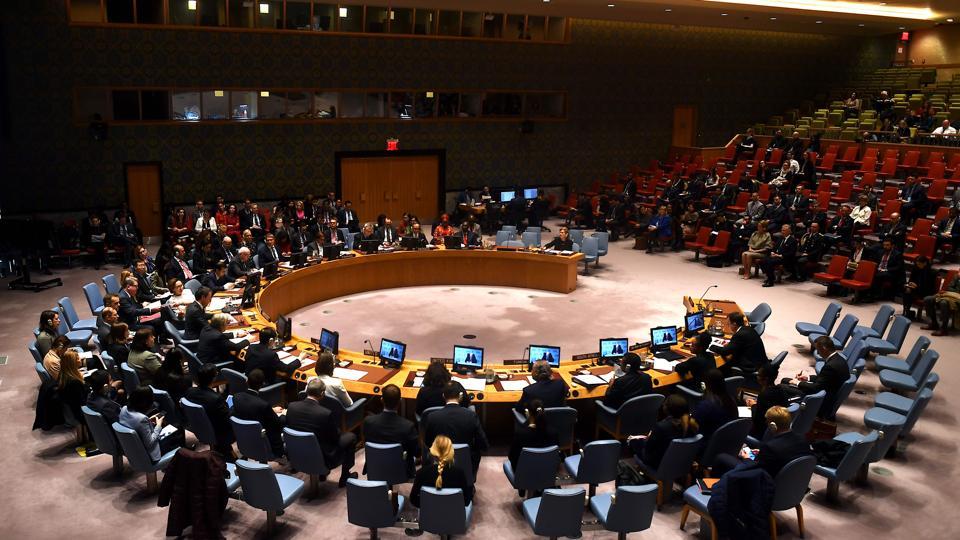
The UNSC finally met Thursday, virtually, at the request of nine of the 10 non-permanent members of the body, but failed to even consider two resolutions that it had expected to take up this week.

 Prefer HTon Google


The United States on Thursday called for “complete transparency” in the reporting of coronavirus data at the UN Security Council’s first meeting on the pandemic, in an unmistakable reference to China, which it did not name but has previously accused of concealing the true extent of its outbreak.
China hit back calling for the need to oppose “stigmatization” of the crisis and “racial discrimination” in a clear reference to US efforts to pin the epidemic on China, calling it the “Chinese virus” or the “Wuhan virus”, which is said to have fueled a spate hate crimes against Asian Americans.
The Security Council had been largely missing from action as the coronavirus tore through the world. China, which held the body’s rotating presidency for March, did not allow a debate or a meeting arguing the pandemic was outside the mandate of the Security Council; it was backed by Russia and South Africa.
The UNSC finally met Thursday, virtually, at the request of nine of the 10 non-permanent members of the body, but failed to even consider two resolutions that it had expected to take up this week. The UN general assembly passed a resolution last week calling for “intensified international cooperation”.

The UN’s top decision-making clearly remains divided on its mandate and role in dealing with the pandemic that had killed more than 97,000 people worldwide and infected more than 1.6 million, with the United States and China, two of the body’s five permanent members, hit the hardest.
“The United States reiterates today the need for complete transparency and the timely sharing of public health data and information within the international community,” said Kelly Craft, the US ambassador to the UN.
She added that “accurate, science-based data collection and analysis of the origins, characteristics, and spread of the virus” was the most effective way to tackle the epidemic.
While the start of the epidemic in Wuhan, China last December is well documented, its spread around the world has been as a consequence of a combination of factors, with the urgency, or the lack of it, of the response of respective nations playing a key role; how soon they initiated mitigation measures, when they close their borders or shut down travel from affected areas.
The Trump administration has been criticized at home for responding late and inadequately, despite the president’s claims to the contrary. And it has been seen to be trying to deflect responsibility by pinning it on China and, lately, the WHO, accusing it of aiding Beijing hide the extent of the outbreak. Trump has he re-evaluating US contribution to the WHO, which is the highest of all at more than $450 million.
Trump began calling the virus the “Chinese virus” and Secretary of State Mike Pompeo named it the “Wuhan virus”. Trump has since stopped after he was widely criticized for fanning racial backlash against Asian Americans, who have been subjected to verbal abuse and whose businesses have faced boycott calls.
Calling for the international community to “act with solidarity” against the pandemic, Chinese ambassador to the UN Chen Xu, focussed on the Trump administration. “All parties should jointly oppose stigmatization and politicization of public health issue,” he said. “The virus is common enemy for all mankind, which respects no borders and hurts all ethnic groups. Instigating racial discrimination and xenophobia, and creating divisions and confrontations deliberately should be abandoned.”


