
 E-Paper


Charlie Kirk called college a ‘scam,’ urged students to choose cheaper alternatives, ‘The worst thing you can do is…’
Before his death, Charlie Kirk argued that college was overpriced, and urged students to pick apprenticeships, trade schools, or gap years instead.

 Prefer HTon Google


Slain Charlie Kirk called college a “scam” and urged young people to think twice before signing up for a four-year degree. The conservative activist and founder of Turning Point USA was shot and killed at Utah Valley University on Wednesday.
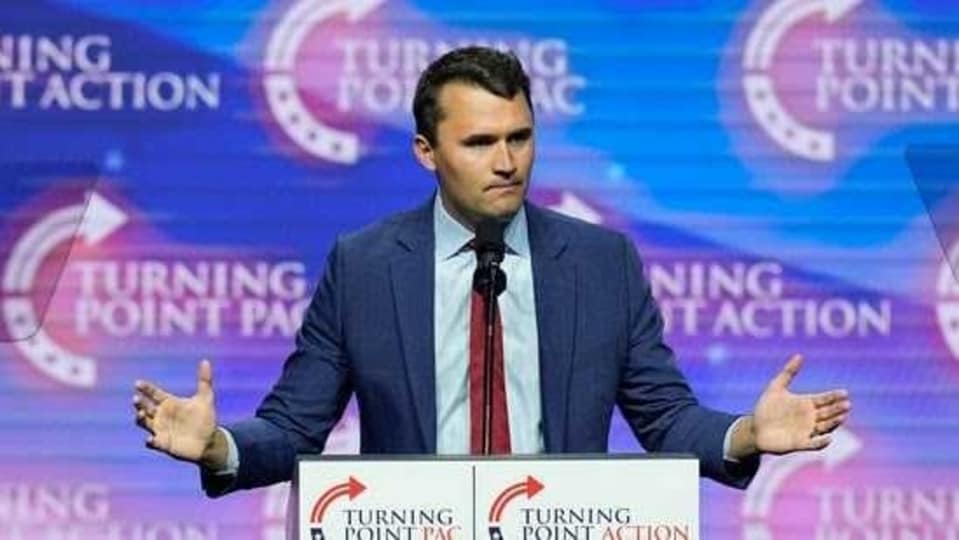
Kirk argued that higher education had become too costly, rewarded conformity, and no longer taught the skills students need for the workforce. He told Fox News when promoting his 2022 book The College Scam: “Anything but college.”
He described the book as a “ten-count indictment,” written like a prosecutor laying out charges against American universities.
Kirk’s case had three main parts. First was cost. He said college was “a federally sponsored scam” because government-backed loans inflated tuition and allowed schools to raise prices without improving value. He pointed to debt, dropout rates, and weak job outcomes as proof. His advice to teenagers was to look at apprenticeships, technical schools, or community colleges, and to avoid debt until they knew their career path.
Second was quality. He argued that many graduates lacked basic reasoning, writing, and problem-solving skills. In his view, the degree was less about learning and more about signaling. Titles of his chapters—like “Colleges Do Not Educate Anymore” and “College Ruins the Ability to Think and Reason”—summed up that theme.
Third was culture. Kirk said universities punished dissent and pushed students into one way of thinking. “Universities used to open students’ minds and widen their horizons. Today, universities weld minds shut,” he wrote. He argued that free speech was under pressure on campuses and that ideological diversity was not welcome.
Charlie Kirk was “pro-education"
Kirk often said he was “pro-education but anti-college.” He made exceptions for careers like medicine, law, or engineering, but urged most young people to look for cheaper, practical paths first. In his words: “The worst thing you can do is go borrow money ahead of time when you’re not really sure what sort of skill you want.”
Kirk’s bottom line was clear: unless a degree is required for a licensed profession, students should consider alternatives. His message was simple: “Anything but college.”


