E-Paper


Government shutdown: Who is affected, who is not? All about impact on Veterans Affairs, HHS, Education, Labor
Government shutdown: Congress could fail to pass a funding bill, leaving millions of federal workers, services, and programs at risk.

 Prefer HTon Google


The United States is on the verge of a federal government shutdown if Congress fails to pass a short-term funding bill before the end of September. If no agreement is reached, this will be the first government shutdown in nearly seven years. President Donald Trump will have broad power to decide which federal operations continue and which stop.
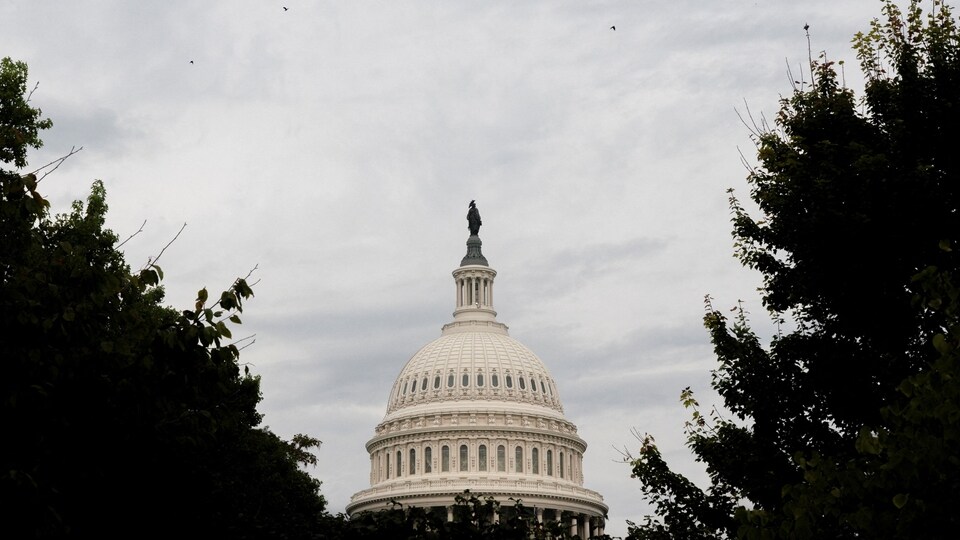
A shutdown this year could affect more parts of the government than the last one in 2018–2019, News from the States reported. That shutdown lasted 35 days, but Defense, Education, Energy, Health and Human Services, Labor, and Veterans Affairs were exempt because they had full-year funding. This time, none of the 12 spending bills have been passed, so nearly every federal agency could be affected if no deal is reached by October 1, the start of the new fiscal year.
Which government services will continue?
During a shutdown, federal programs that protect life, property, and national security are considered essential and usually continue. However, the president has wide authority to decide what is essential. Traditionally, the White House posts detailed plans for each agency, showing which employees will keep working and which will be furloughed. This year, such plans are mostly unavailable, leaving the public unsure about the exact impact.
According to News from the States, over two million civilian employees and over one million active-duty military personnel will not be paid during a shutdown. President Trump’s salary will be protected by the Constitution. Furloughed employees receive back pay once the government reopens, but federal contractors may not.
Also read: Mike Gundy’s son Gunnar drops cryptic message after his dad’s firing from OSU: Here’s what he said
Courts, social security, and Medicare
The Supreme Court will continue operating, and judges’ salaries are protected. Lower federal courts may operate depending on available funds. Programs like Social Security, Medicare, and Medicaid are considered “mandatory spending,” so benefits and reimbursements are expected to continue. However, some staff salaries in these programs depend on annual funding, which may cause staffing challenges.
Veterans, Immigration, and Public Lands
Veterans will still get healthcare and benefits at VA hospitals and clinics, but services like career counseling, GI Bill hotlines, and regional offices may close. Immigration enforcement will continue, with many ICE and DHS staffers working without pay. Immigration courts may cancel or reschedule cases, adding to the existing backlog of millions.
National parks and public lands may stay open, but staffing will be limited. Campgrounds, toilets and visitor centers may close, and some areas may be closed to protect natural and cultural resources
IRS and Congress
The Internal Revenue Service may be impacted by staff shortages and leadership changes, and there is uncertainty about what tax services will be available during a shutdown. Members of Congress get paid, but congressional staff may be furloughed. Congress needs to pass a stopgap or full-year appropriations to end the shutdown, which will require bipartisan support.
What it means for Americans
A government shutdown can disrupt services that many Americans rely on, from social programs to national parks. While essential operations continue, many daily functions of government may stop, causing uncertainty for workers, states, and the public. The final impact will depend on how long a shutdown lasts and which agencies are prioritized by the administration.
FAQs
1. What happens during a federal government shutdown?
During a shutdown, essential government services such as national security and public safety continue. Nonessential programs stop, and many federal employees are furloughed until Congress approves funding.
2. Will federal employees and contractors get paid?
Furloughed federal employees receive retroactive pay once the government reopens. Contractors, however, may not be guaranteed payment during a shutdown.
3. How are programs like Social Security, Medicare, and Veterans benefits affected?
Mandatory programs such as Social Security, Medicare, and Medicaid continue, and veterans will still receive core health care and benefits. Some administrative services and hotlines may be unavailable.