E-Paper


H-1B visa to get expensive; Trump mulling $100K fee in latest immigration move
President Donald Trump is planning to introduce a new $100,000 fee for H-1B visas.

 Prefer HTon Google


President Donald Trump is planning to introduce a new $100,000 fee for H-1B visas, Bloomberg News reported on Friday, citing a White House official familiar with the matter. The agency added that the hike is a part of the administration's effort to curb overuse. The president is expected to sign a proclamation on Friday.
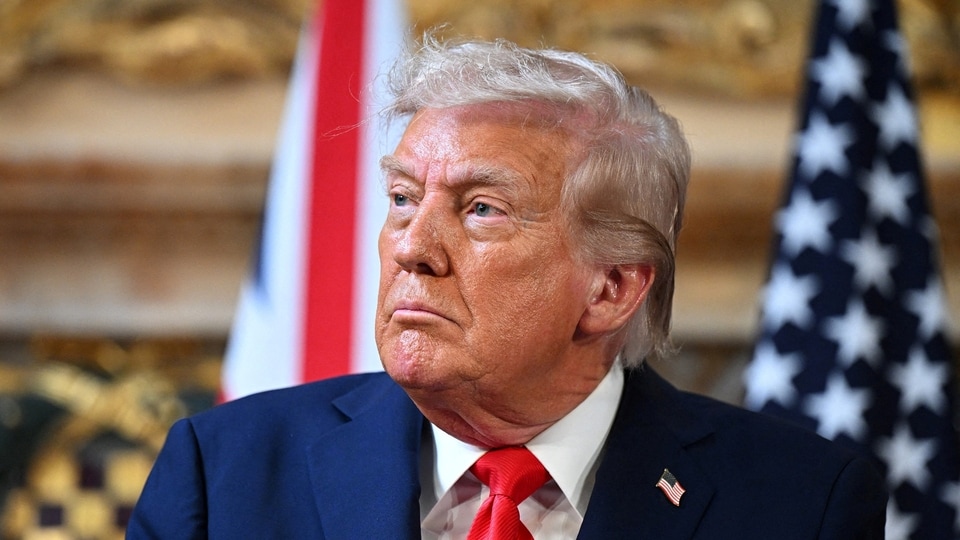
According to the Bloomberg source, the Trump administration said that the proclamation will stop the abuse of the H-1B pathway. It restricts entry under the H-1B program unless accompanied by the $100,000 payment.
Read More: Amazon, Microsoft among companies sponsoring more H-1B visas than before: Report
The cost of securing an H-1B visa has climbed, with applicants now facing a $215 registration fee for the lottery process and a $780 charge for Form I-129, the petition employers must file on behalf of prospective workers. These fees are paid directly by employer sponsors seeking to bring in foreign talent.
The visas are distributed through a lottery system, though critics argue the process is riddled with loopholes. Past reporting from Bloomberg has revealed that some companies exploit the system by submitting large volumes of applications, effectively crowding out smaller employers.
Read More: Indian misjudges H-1B 60-day grace period as 'soft deadline', faces immigration trouble
Unlike major technology firms that typically use H-1B visas for specialized, higher-paying roles, many staffing and outsourcing companies take a different approach. They account for nearly half of the 85,000 visas issued annually, often channeling workers into lower-wage positions instead.
This comes after Senator Jim Banks proposed a bill to restructure the H-1B system drastically by raising wage requirements and limiting alternatives companies use to hire foreign workers. The act is titled the American Tech Workforce Act.
Lawmakers are currently debating over this measure. Some say that it displaces American workers and is open to abuse, while others view it as a tool to fill labor gaps.
(With Bloomberg inputs)