E-Paper


Minnesota air quality map: Unhealthy alert issued for these regions due to Canadian wildfire smoke | Full list
An air quality alert has been issued for all of Minnesota by the Minnesota Pollution Control Agency (MPCA), which will run until noon on Wednesday, June 4.

 Prefer HTon Google


An air quality alert has been issued for all of Minnesota by the Minnesota Pollution Control Agency (MPCA). The alert, issued due to Canadian wildfire smoke, is going to run until noon on Wednesday, June 4. You can check out the MPCA’s map.
The areas that have been affected include all of Minnesota and the tribal nations of Upper Sioux, Mille Lacs, Prairie Island, Leech Lake, Red Lake, Grand Portage, and Fond du Lac.
Fine particle levels could reach the following levels, according to the MPCA:
Northwest Minnesota — maroon category, hazardous for everyone
North central Minnesota — purple category, very unhealthy for everyone
Central and northeast Minnesota — red category, unhealthy for everyone
Southwest and southeast Minnesota — orange category, unhealthy for sensitive groups
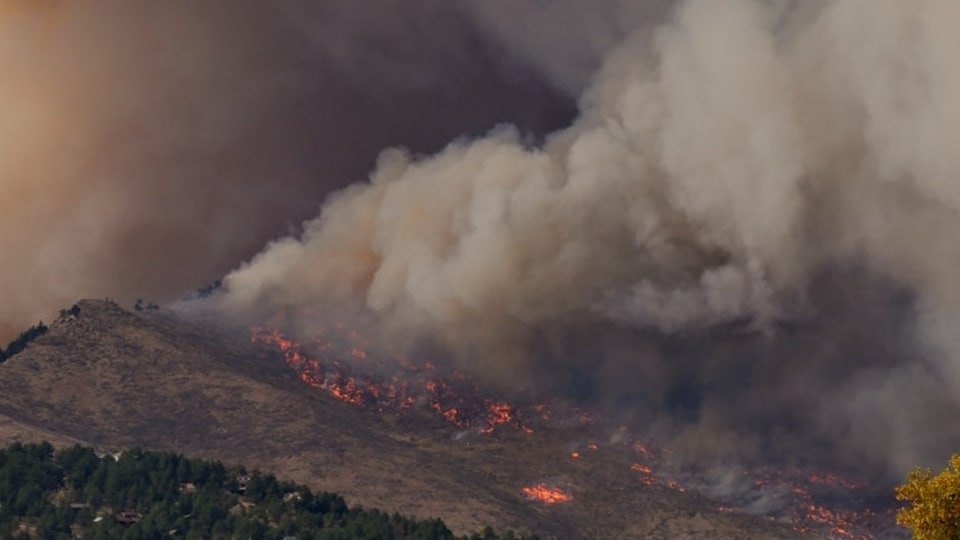
The MPCA revealed that a band of very heavy ground-level smoke from Canadian wildfires moved into northwest Minnesota Monday morning, June 2, behind a cold front. The smoke, which is expected to continue to follow behind the cold front while moving southeast, will impact northwest and north central Minnesota on Monday. While the smoke is expected to reach central and northeast Minnesota on Monday evening, it will reach southeast Minnesota early Tuesday morning, June 3.
The MPCA added, “Precipitation is expected across northern and central Minnesota Monday afternoon and evening but may not help improve air quality much. Smoke will clear northwest Minnesota early Tuesday morning and air quality will begin to improve from northwest to southeast from Tuesday through Wednesday morning. The most significant impacts on air quality are expected to occur across northwest and north central Minnesota.”
Who is most at the risk of being affected?
While poor air quality can affect everyone’s health, some groups experience health effects sooner than others. While some of them may be more sensitive to fine particle pollution, others may be impacted if they are exposed to larger amounts of it. Some sensitive groups include those who have asthma or other breathing conditions like chronic obstructive pulmonary disease (COPD), those who have heart disease, high blood pressure, or diabetes, those who are pregnant, as well as children.