
 E-Paper


Researchers have found a solution for 'giant chemical soup' killing Seattle's salmon
Permeable pavements could help protect coho salmon from deadly tire pollution

 Prefer HTon Google


Every year, countless coho salmon in Washington's Puget Sound face a deadly threat – tire pollution. But scientists might just have a solution to this aquatic massacre.
Researchers are exploring the power of permeable pavements to keep tire wear particles out of streams. Four types of these special pavements act like superheroes, trapping up to 96 percent of tire particles, a study in the Science of the Total Environment journal reveals.
Drop in deadly chemical:
The use of permeable pavements led to a 68 percent drop in 6PPD-quinone, a tire-related chemical deadly to coho salmon. This is a promising step towards protecting these silver swimmers.
Know your salmon:
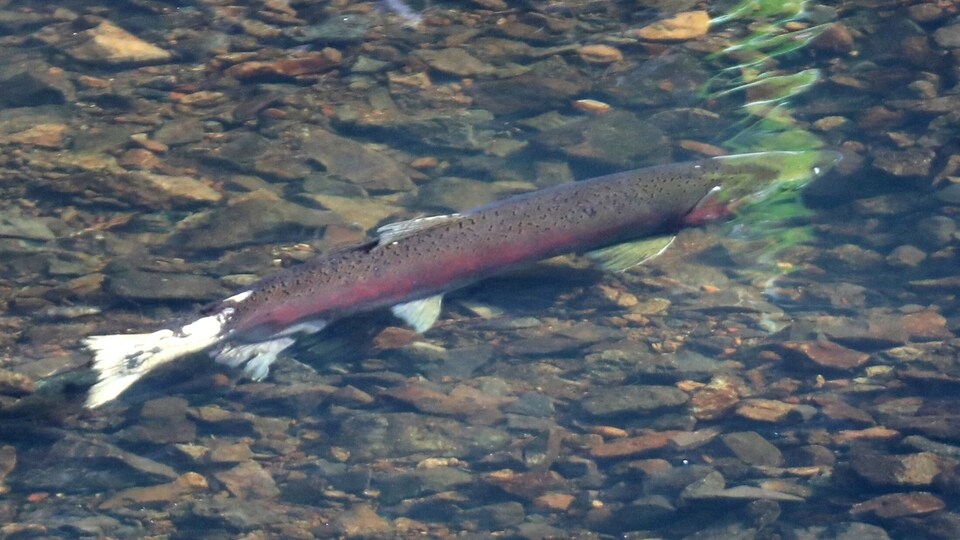
Coho salmon, native to North America's northwest, has a unique life cycle. They hatch in freshwater, head to the sea, and return to freshwater streams to breed. Unfortunately, tire pollutants threaten their return.
Tire pollution puzzle:
Heavy rains wash tire particles, including the toxic 6PPD-quinone, into streams. This chemical can be lethal to salmon. Edward Kolodziej, a researcher, highlights the danger: “Animals are exposed to this giant chemical soup, and we don't know what many of the chemicals in it even are.”
The researchers developed permeable pavements made of asphalt or concrete. These pavements are like filters, capturing tire chemicals and preventing them from reaching waterways. This could be a game-changer in stormwater management.
Green stormwater infrastructure:
Permeable pavements offer a promising solution to treat pollution where it starts, tackling the problem at its source. Chelsea Mitchell, the lead author of the study, sees them as a key part of green stormwater infrastructure.
Health benefits beyond salmon:
It's not just about saving salmon; permeable pavements can benefit human health too. Tire particles, so fine they can become airborne, pose a risk. Ani Jayakaran, a study co-author, warns that 6PPD-quinone is toxic to both salmon and potentially humans, especially those living near busy roads.
While permeable pavements show promise, there are challenges like cost and road replacement efforts. Jayakaran acknowledges, "We're not suggesting that permeable pavements are an appropriate replacement for all roadways. However, our research holds great promise, and we're pointing in a very hopeful direction."
Researchers are eager to extensively test permeable pavements. While they may not be a silver bullet, they offer hope for managing tire wear particles and 6PPD-quinone. The journey to safeguarding Seattle's salmon continues.


