
 E-Paper


A king above the law? Trump immunity ruling allows presidents to order ‘assassination’ of rivals, ‘poison’ staff
In wake of Trump's immunity ruling, liberal justices have raised concerns over situations when a president can direct assassination of political opponents.

 Prefer HTon Google


After the US Supreme Court ruled that former President Donald Trump is entitled to some immunity in the January 6 case, liberal justices raised concerns over situations when a president can direct a Navy SEAL team to "assassinate" political opponents or poison cabinet members without having any legal consequences.
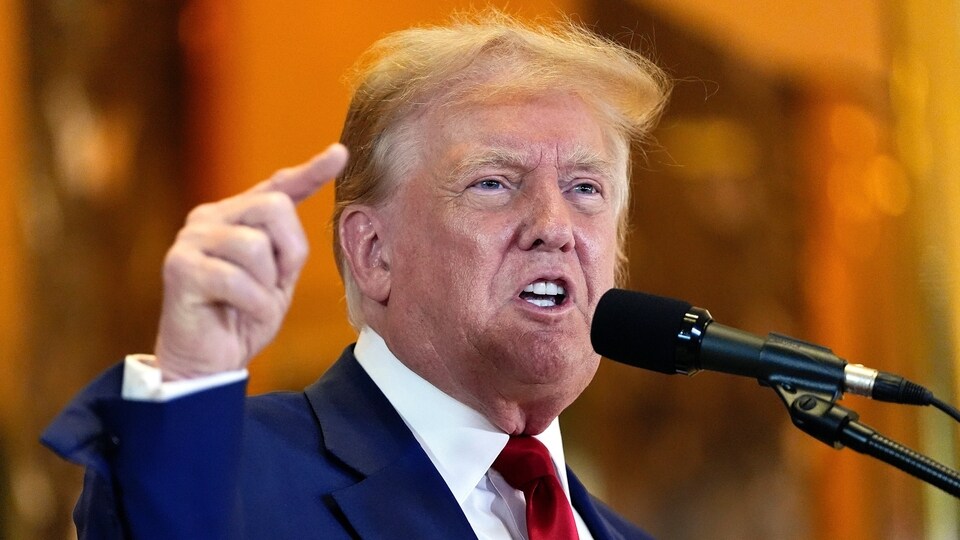
On Monday, the top court with a 6-3 majority ruled that a president has significant immunity for official actions taken while being in the office. This decision holds significance as Trump is facing prosecution for alleged involvement in the Capitol attacks on January 6, 2020, and meddling in the 2020 elections.
Chief Justice John Roberts underlined that the president "is not above the law". However, immunity can be applicable if it concerns an "official act".
The three dissenting justices expressed uneasiness at the court's decision to remand the case to lower courts in order to determine if the actions connected to Trump's case were “official.”
Opposing the ruling, Justices Sonia Sotomayor, Ketanji Brown Jackson, and Elena Kagan voiced displeasure with the apex court's expanded view of presidential immunity. The majority ruling, the judges warned, "makes a mockery of the principle, foundational to our Constitution and system of Government, that no man is above the law" and creates a "law-free zone around the President."
US President a ‘king above the law’?
Calling the US President the most powerful person in the country and possibly in the world, Sotomayor criticized the ruling, stating that he will now no longer face criminal punishment when he exercises his official authority in any way.
She further described terrifying scenarios when the president "orders the Navy's Seal Team 6 to assassinate a political rival? Immune. Organizes a military coup to hold onto power? Immune. Takes a bribe in exchange for a pardon? Immune. Immune, immune, immune."
She went on to say: "Let the President violate the law, let him exploit the trappings of his office for personal gain, let him use his official power for evil ends. Because if he knew that he may one day face liability for breaking the law, he might not be as bold and fearless as we would like him to be. That is the majority's message today."
Sotomayor highlighted that the President is now a "king above the law" in every use of official power.
Also Read: Donald Trump hails ‘big win’ as Democrats decry Supreme Court's ruling on immunity
Does immunity ruling allow presidents to poison staff?
Jackson, in a separate dissent, hinted at the similar possibility, stating that the president may have the power to remove the Attorney General. "For example, the question here is whether the President has the option to remove the Attorney General by, say, poisoning him to death."
The ruling comes in response to a lawsuit filed by Trump, who is accused of breaking federal law in relation to his attempts to rig the 2020 presidential election. The former President's attorneys had contended that since such actions were related to his official responsibilities, he was not subject to criminal prosecution.
Trump has hailed the court's ruling as a "big win".


