
 E-Paper


US credit card debt hits record $1.29 trillion as debt-free Americans face credit card and loan rejections
US credit card debt hits $1.29 trillion as debt-free Americans with little credit history face rejections for credit cards, car loans and mortgages.

 Prefer HTon Google


US credit card debt has reached a record $1.29 trillion, even as some financially responsible Americans are struggling to get approved for basic credit cards and loans. People earning six-figure salaries, having healthy savings and carrying no debt are increasingly facing instant loan rejections from banks.
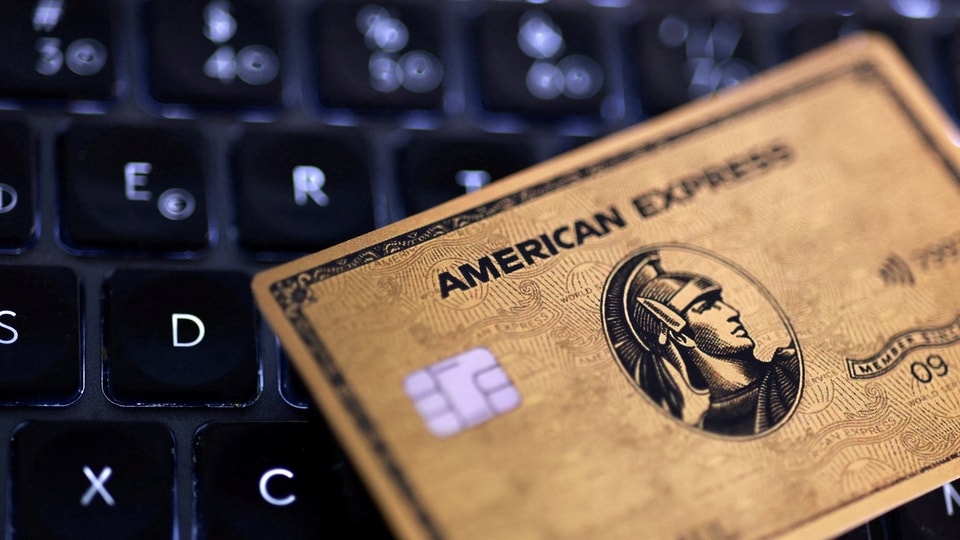
US credit card debt rises 67% since 2021
The total credit card debt in the US has increased by 67% since early 2021, according to data from the Federal Reserve Bank of New York. At the same time, millions of Americans who avoid borrowing are finding it difficult to establish a credit history that banks can use to judge their financial background.
Data from the Consumer Financial Protection Bureau (CFPB) shows that an estimated 25 million American adults have credit files that are either too thin or outdated to generate a standard credit score, according to Fox Business.
This means that people who have little or no borrowing history may struggle to get loans, even if they earn well and have enough savings. Modern banking algorithms look for recent credit activity to understand how consumers handle borrowed money.
Why debt-free Americans struggle to get loans
Jade Warshaw, co-host of The Ramsey Show, said banks are not necessarily punishing people for living debt-free, but they are not prioritising them either. She told Fox News Digital that banks make money from customers who use their financial products, so people who do not borrow may receive less attention.
Also read: US lawmakers push tougher AI chip export curbs on China after Nvidia-Jensen Huang scandal
Credit repair specialist and founder of Micah Abigail LLC, Micah Smith, also said that the credit system can work against people who choose to live without debt. She told Fox News Digital that although avoiding debt is a responsible financial goal, the way credit scores work can make it difficult for such people to qualify for loans.
Smith explained that credit scoring algorithms look for activity and want to see how a person has handled borrowing. She said a person's income does not directly determine their credit score, meaning someone earning a high salary may still have a weak credit profile.
A 2025 consumer study by PYMNTS Intelligence and the Federal Reserve found that credit-related anxiety and unexpected loan rejections are increasingly affecting households earning more than $100,000 annually. The problem is linked to limited borrowing history and a lack of different types of credit accounts, according to Fox Business.
Credit card use or savings: Experts have different views
These credit problems can affect people's daily lives. People with little or no credit history may find it hard to get basic credit cards from big banks like Chase and Capital One.
They may also face problems when applying for car loans and home loans. However, Smith does not agree that people should completely stay away from credit. She said having no debt is a good financial goal, but having no credit history can also create problems, according to Fox Business.
Smith said people without a credit history may find it difficult to rent homes or deal with housing groups and other organisations. She also said running a small business only with cash is not practical in today's economy.
The two experts have different views on how people should manage their money. Smith says people should use credit cards for small purchases and pay their bills on time to build a credit history. Warshaw, on the other hand, believes people should avoid loans and focus on saving and investing money.
Their different views come at a time when US credit card debt has reached a record $1.29 trillion. This shows the problem faced by Americans who want to stay away from debt but still need a credit history to access basic financial services.


