
 E-Paper


Despite Trump-Modi ‘friendship’, more tariffs on India? US secy drops 'Russia sanctions' bomb
Scott Bessent believes additional sanctions on Russia and its buyers, such as India, could trigger an economic collapse, forcing Putin into peace with Ukraine

 Prefer HTon Google


US treasury secretary Scott Bessent thinks more sanctions on Russia and the countries that buy oil from it — which prominently includes India — can bring about its economic “collapse”. Only such a collapse will bring Vladimir Putin back to the table and have peace talks with Ukraine, Bessent argued in an interview with NBC on Sunday.
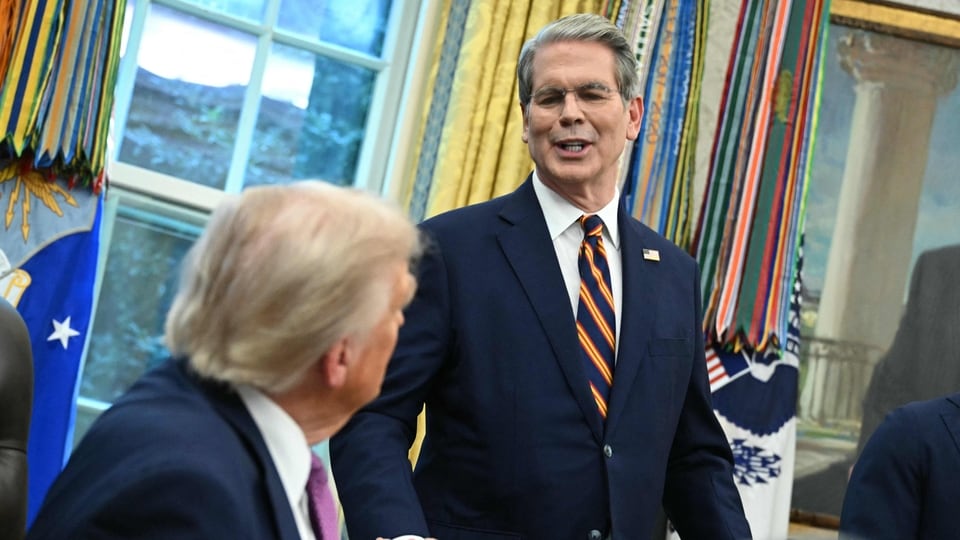
In his reference to “countries that buy Russian oil”, Bessent did not name any as such, but India remains the biggest target of US tariffs over this issue. This is despite a recent thaw which saw President Donald Trump and PM Narendra Modi underlining their mutual appreciation and friendship through the press and social media.
“We are in a race now between how long can the Ukrainian military hold up versus how long can the Russian economy hold up. And if the US and the EU can come in with more sanctions, more secondary tariffs on the countries that buy Russian oil, the Russian economy will be in full collapse and that will bring President Putin to the table,” he said.
“We (the US) are prepared to increase pressure on Russia, but we need our partners in Europe to follow,” Bessent said in the interview.
Russia is under crippling sanctions from both the US and Europe since the start of the war, but has found customers for Russian oil and gas in India, China and elsewhere.
Several top US officials, including Vice President JD Vance, have interpreted the tariffs on India as “leverage” against Putin. The US has at different points called the conflict in Ukraine “Modi's war”, accusing India of “fueling the Russian war machinery”.
India has questioned the logic of the 25% “penal” tariff over its Russian oil deals — taking the total US import duties on most Indian products to 50% — and argued that it's only acting in sovereign national interest.
About more sanctions, and resultant tariffs, Trump and Vance spoke to European Commission President Ursula von der Leyen on Friday, Bessent said, adding that she later spoke to him too about sanctions.
The “need a Russian economic collapse” argument comes as Trump’s plans for a mediated end to the nearly four-year war in Ukraine have not borne fruit even after his summit with Putin in Alaska last month.
In fact, the war scaled a graver high on Sunday. Russia bombed the main Ukrainian government complex in Kyiv, an attack deemed a “serious escalation of the conflict" by Ukraine and its mainly European allies.
Bessent was also asked about the tariffs having been held illegal, pending appeal, by a US circuit court. “I am confident that we will win at the Supreme Court,” the treasury secretary told the TV channel.


