
 E-Paper


US visa 221(g), 214(b) rejections: US Embassy in India clarifies confusion over visa refusals
The US Embassy in India differentiates b/w visa rejections: a 214(b) is a conclusive denial, while a 221(g) signifies a temporary hold for missing documents.

 Prefer HTon Google


After receiving a letter of rejection, applicants for US visas frequently depart bewildered, unsure of how this would affect their travel or immigration plans. In order to address this, the US Embassy in India has provided an explanation of the distinction between 221(g) and 214(b), two of the most prevalent rejection categories under the Immigration and Nationality Act—INA.
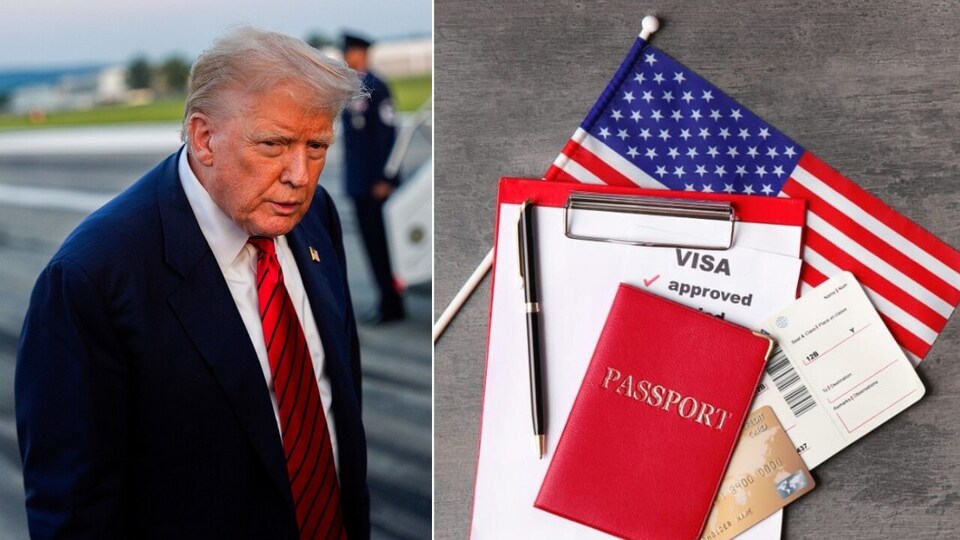
Both state that a visa has not been granted at the time of the interview, but there are notable differences in the explanations and the candidate's next course of action.
Understanding difference between US visa 221(g), 214(b) rejections
A denial under Section 214(b), however, is conclusive for that particular application. The outcome indicates that the applicant did not prove their eligibility for the desired visa category.
Typical explanations include lack of ties to the applicant's home country, uncertainty over the claimed purpose of travel, or the officer's inability to be persuaded of the applicant's intention to return home.
In contrast to 221(g), petitioners are unable to reverse a 214(b) decision by submitting additional documentation. As an alternative, they have to reapply, pay the visa price, and go through another interview.
A Section 221(g) denial does not always mean that the procedure is over. It indicates that the application for a visa has been placed on hold, typically because of missing paperwork or the requirement for more administrative processing.
In these situations, a notice outlining the missing item is issued by the consular official. Candidates can be required to submit more paperwork or just have to wait for the processing to be finished.
Upon resolution, the matter could still lead to approval. On the other hand, the application can be closed if the problem is not resolved one year later.
To put it briefly, a 221(g) is better viewed as an interim stop than a definitive ruling.
Also Read: H-1B visa system: Indian IT workers fear job loss in US amid Trump's anti-immigrant campaign
Here's what US Embassy in India said
Indian applicants, who comprise one of the biggest groups of people seeking US visas, need to understand these codes, according to the Embassy. With perseverance and documentation, a 221(g) rejection is frequently overcome, but a 214(b) necessitates beginning anew.
In a post on X, the Embassy emphasized this distinction: “It’s #VisaFriday, and today we’re breaking down something that confuses a lot of visa applicants: the difference between a 221(g) and a 214(b) refusal. If you’ve already had your interview and got a refusal notice, don’t panic — understanding what it means is the first step.”


