E-Paper


What is corn sweat? Heat wave in Midwest to feel worse this week, here's why
The Midwest is sweltering under humidity, and it turns out cornfields are a big reason behind it.

 Prefer HTon Google


The hot and humid weather in parts of the central US seems to have turned unbearable lately, while corn is partly to blame for this. The term “corn sweat,” which refers to water transpiration from corn, has been floating around again as temperatures spike across the Midwest region. The weather phenomenon is tied to how corn plants release moisture.
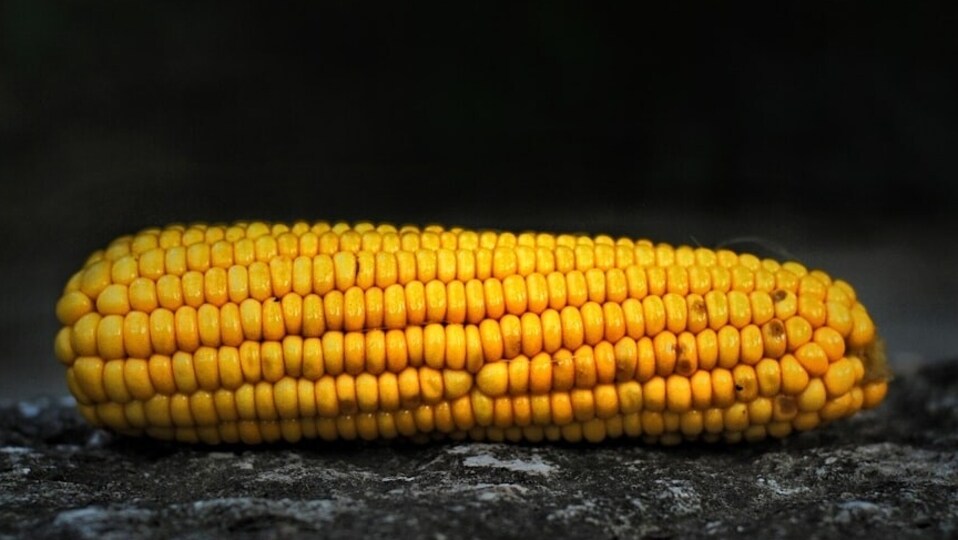
What is corn sweat?
“Corn actually produces humidity, if you will, or moisture that wicks off the plant on average about 4,000 gallons per acre (per day),” farmer Mark Baker told AccuWeather.
The moisture adds to the already high humidity, pushing temperatures well over 100 degree Fahrenheit in parts of the Corn Belt like Iowa, Illinois, Missouri, and Indiana.
The effect isn’t subtle. “On a normal day, I mean, the humidity in the cornfield is substantially worse. You step out of the corn and you go, 'Wow, that's a breath of fresh air,” Baker added.
Does it have any effect on heat?
As per Accuweather, the whole thing boils down to plant biology - specifically, transpiration. Like all plants, corn pulls water up through its roots to grow. But the extra water does not stick around. Instead, the plant releases it through tiny pores in its leaves, sending vapor into the air.
A tree might do this too, but the numbers do not even come close. A big oak tree releases about 100 gallons of water a day. On the other hand, a single acre of corn releases up to 4,000 gallons. Multiply that by the roughly 11.1 million acres of corn in Illinois alone, and we are talking about billions of gallons of water vapor pumped into the air - every day - during peak summer season.
“Most plants do not transpire a significant amount of water. Corn plants are really, really effective at transpiration,” Illinois State Climatologist Trent Ford told Fox 32 Chicago.
Humid summers ahead
Chicago and much of the Midwest are now stuck in a steamy squeeze as they get caught between moisture-heavy Gulf air to the south and nonstop corn sweat rising from the ground. The result? Conditions feel way hotter than the thermometer suggests.
The upside? All that moisture means the corn is doing well, and farmers can expect a solid harvest come fall. So yeah, the sweat’s real - but at least someone’s thriving.
FAQs:
1. What is corn sweat?
Corn sweat refers to the moisture released by corn plants through a process called transpiration.
2. Why does corn increase humidity more than other plants?
Corn releases significantly more water vapor, up to 4,000 gallons per acre per day, compared to most plants.
3. Where is corn sweat most noticeable?
The effect is strongest in the Corn Belt states, especially Illinois, Iowa, Indiana, and Missouri.
4. Does corn sweat affect the heat index?
Yes, the added moisture raises humidity, which increases how hot it feels outside.
5. Is corn sweat a sign of healthy crops?
Yes, more transpiration generally means the corn is growing well and thriving.