
 E-Paper


Who is Richard Slayman? US surgeons transplant world's first gene-edited pig kidney into Massachusetts man
A team of surgeons in Boston, United States, has announced the successful transplantation of a pig kidney into a 62-year-old patient.

 Prefer HTon Google


A team of surgeons in Boston, United States, has announced the successful transplantation of world's first genetically-engineered pig kidney into a 62-year-old patient.
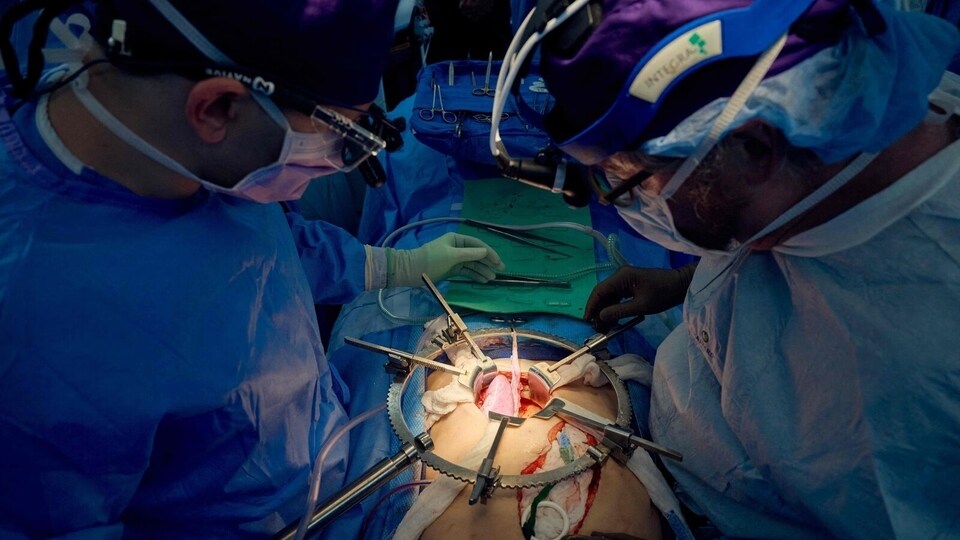
The Boston doctors performed operation on Richard Slayman, a patient with end-stage kidney disease at Massachusetts General Hospital, which lasted four hours, AP reported.
Earlier, pig kidneys were temporarily implanted into brain-dead donors. Unfortunately, two men died within few months after receiving heart transplants from pigs.
In a statement, the hospital said that Slayman is recovering well and is likely to be discharged soon.
Also Read: World’s first whole-eye and partial face transplant performed in the United States
All you need to know about Richard Slayman
Slayman has been dealing with Type 2 diabetes and hypertension for several years. In December 2018, he received a kidney that was transplanted from a deceased donor. The transplantation was performed at MGH by Kawai after Slayman underwent dialysis therapy for seven years. The donated kidney began to fail about five years later, forcing Slayman to commence dialysis in May 2023.
"I saw it not only as a way to help me, but a way to provide hope for the thousands of people who need a transplant to survive," Slayman said in a press release after the transplant.
The process is the most recent advance in a race to produce genetically modified pigs to supply kidneys, hearts, livers, and other organs in order to address the organ scarcity for patients in need of transplants.
Dr. Tatsuo Kawai, the hospital's director for clinical transplant tolerance, stated that they expect that the procedure for transplantation would offer a lifeline to millions of people globally who are dealing with kidney failure.
Also Read: Second ‘pig heart’ recipient in US dies six weeks after procedure
Who provided the pig kidney?
eGenesis of Cambridge, Mass., provided the pig kidney from a pig donor, which was genetically altered using the method known as CRISPR-Cas9 to eliminate detrimental pig genes and add particular human genes to boost compatibility with humans.
Furthermore, scientists deactivated porcine endogenous retroviruses in the pig donor to eradicate the possibility of infection in humans.
This successful treatment in a living hum being marks a watershed moment in the rapidly growing field of xenotransplantation, which involves the transplanting of organs or tissues from one species to another as an alternative to the global organ shortage.
In its report, United Network for Organ Sharing (UNOS) informed that over 100,000 people in the United States are in line for an organ transplant, with at least 17 persons losing their life everyday.


