
 E-Paper



Deadly virus kills 3 Asian elephants in Zurich Zoo in a month, only five left
Asian elephants dying in Zurich Zoo: The herpesvirus lies latent in nearly all elephants, both in the wild and in captivity, but can in some cases suddenly become deadly, killing in a matter of days.

 Prefer HTon Google


A deadly virus has swept through a zoo in Switzerland, killing three Asian elephants in a month, leaving experts puzzled and at a loss to stop the elephant endotheliotropic herpesvirus (EEHV). There are now only five Asian elephants left in the 11,000 square-metre enclosure at Zoo Zurich.
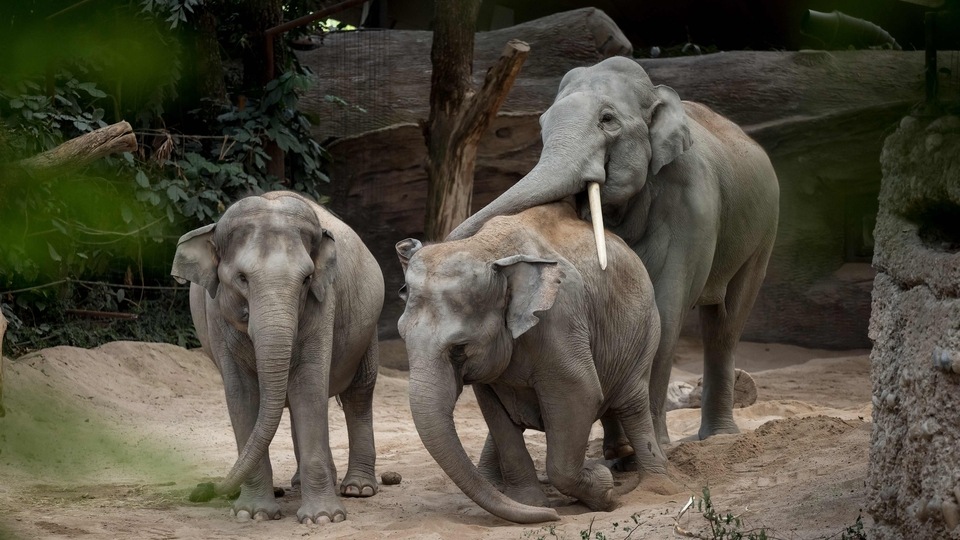
The first to die was a two-year-old male elephant called Umesh. News agency AFP said Umesh dropped dead at the end of June, followed by his sister Omysha, who was eight years old.
Last week the third elephant died – Ruwani, a five-year-old female.
All three fell ill and died very quickly from a disease that leaves them with internal bleeding and organ failure. In captivity, this virus is ‘the main cause of death for elephants between two and eight years’, Zoo Zurich curator Pascal Marty told AFP. The virus has also been known to kill elephants in the wild, Marty said, though adding ‘it's a bit harder to detect’.
The herpesvirus lies latent in nearly all elephants, both in the wild and in captivity, but can in some cases suddenly become deadly, killing its victims in a matter of days.
"We still don't know why it happens and when it happens," Marty said.
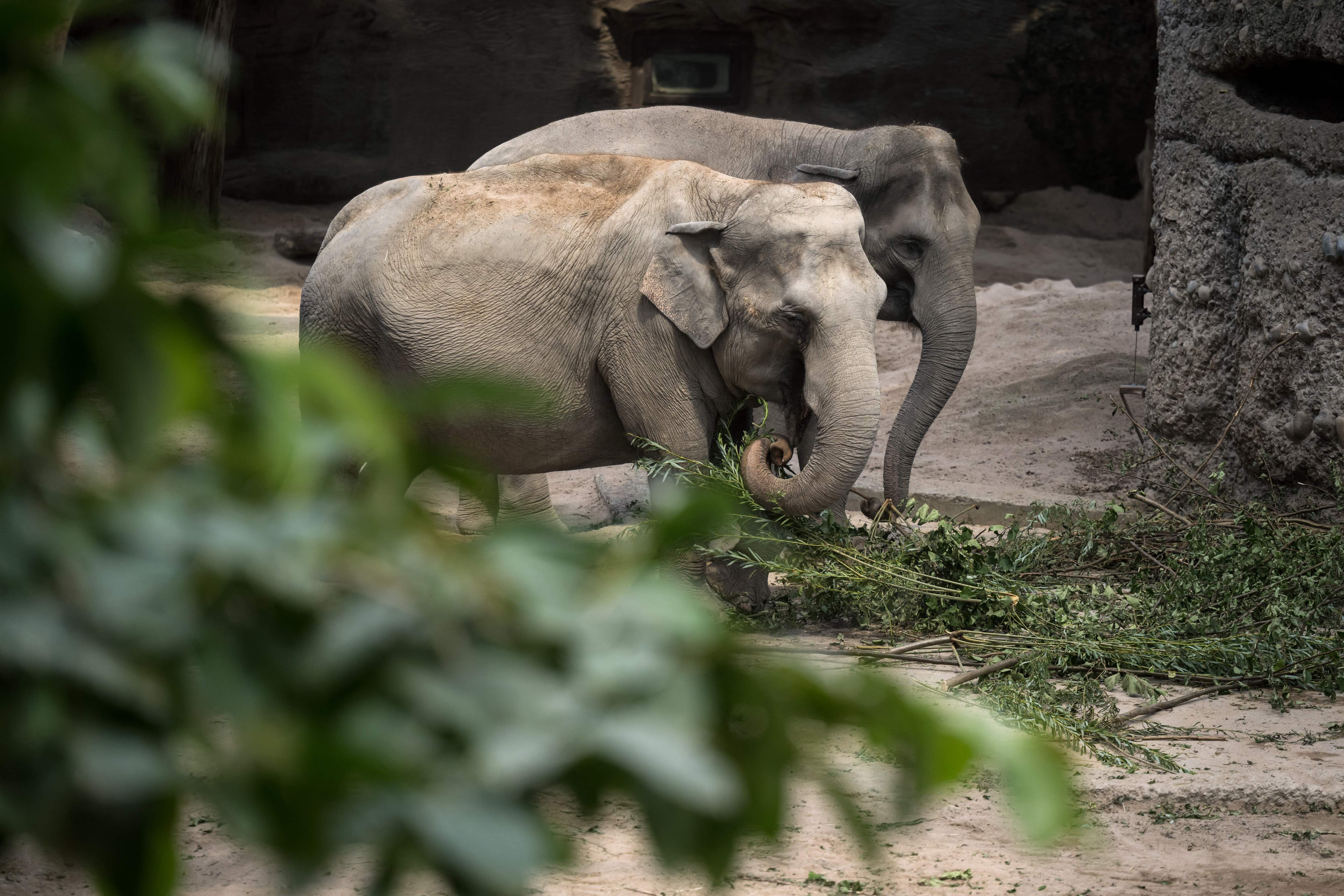
The zoo director, Severin Dressen, called it ‘particularly frustrating’ that the elephants were dying despite the best possible veterinary care. There is no vaccine for EEHV and while antivirals exist, they are not very efficient. Even when treated quickly, only about a third of infected individuals survive.
Meanwhile, in a truly emotional moment, the Zurich Zoo’s five remaining Asian elephants - all adults - were permitted to spend a few hours around the remains of their family and companions.
Several studies have shown that elephants mourn for their dead and feel grief for the passing of a family member, much like humans. Videos shared by National Geographic show wild elephants mourning for the matriarch of their herd and they have even been known to show grief for the passing of humans – mahouts, for example – to whom they have grown close.
“It's very hard to say whether or not they are sad, because sadness is something human," the Zurich zoo curator told AFP, but also stressing that since elephants are highly social animals, it is vital that they have a chance to realise when a member of their herd is no longer alive. "It is very important for them to have closure to understand this individual is not part of our group anymore."
By most estimates, there are fewer than 50,000 Asian elephants left in the wild and the species has been listed by the International Union for Conservation of Nature (IUCN) as ‘endangered’.
With input from AFP


