E-Paper



Viral influenza in Delhi’s air
Moderate to high fever, sore throat, runny nose or severe head and body ache, if you experience any of these symptoms, chances are high you are suffering from viral influenza that has held the city in its grip these days.

 Prefer HTon Google


Moderate to high fever, sore throat, runny nose or severe head and body ache, if you experience any of these symptoms, chances are high you are suffering from viral influenza that has held the city in its grip these days.
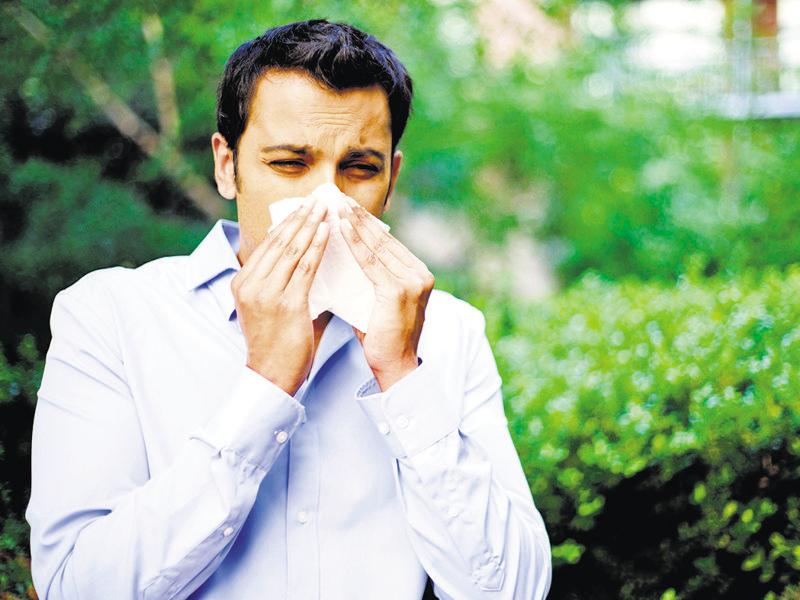
While rain may bring some respite from the scorching sun, the humid weather is also conducive for faster growth and spread of disease-causing bacteria and viruses that have led to an increase in the cases of influenza, upper respiratory tract infection and various allergies.
Last one week has been particularly bad as there has been a jump in the number of cases landing up at hospitals and clinics with fever, cold and cough and head ache.
“Since last week, there has been about 20 to 30% jump in the number of people I see in my out patient department (OPD) with symptoms such as high fever, severe head and body ache and sore throat. And 80% of them are due to viral influenza,” said Dr Srikant Sharma, senior consultant, department of internal medicine, Moolchand Medcity Hospital.
“I have been getting fever as high as 105 degrees Fahrenheit this season, which in most cases lasts for at least three to four days,” he said.
People are also complaining of severe head and body ache along with fever, and even after the fever has subsided, the person may feel weak for days.
The good thing, however, is that rest and symptomatic treatment is working in most cases.
“It is advisable to take rest when the fever is high and to not pop in unnecessary medicines, especially antibiotics or aspirin. In most cases paracetamol helps bring down fever and alleviate pain,” said a senior doctor from the department of medicine, All India Institute of Medical Sciences (AIIMS).
Since high fever tends to dehydrate the body, one must increase the fluid intake in the form of soups, lukewarm water, buttermilk, coconut water etc.
Doctors strictly advise against taking over-the-counter medicines. “It’s an unhealthy practice and could lead even to serious complications,” he said.
The elderly and the children are more at risk of getting infected, and also those suffering from underlying health problems such as asthma, diabetes and heart diseases. People with compromised immunity also need to be more careful.
With viral load high in the environment, it is a good idea to follow preventive measures such as avoiding crowded places, washing hands frequently, covering mouth and nose while coughing, wearing full-sleeved clothes and avoiding eating raw or semi-cooked food outside.
Also, drink boiled or purified water only.
If high fever and sore throat lasts for more than 48 hours, see a doctor.
Box
Symptoms
*High grade Fever (above 102 degrees Fahrenheit)
*Sore throat
*Severe head and body ache
*Runny nose
*Pain behind the eyes
*Cough