
 E-Paper



At Ferozshah Kotla, where the Djinns reign
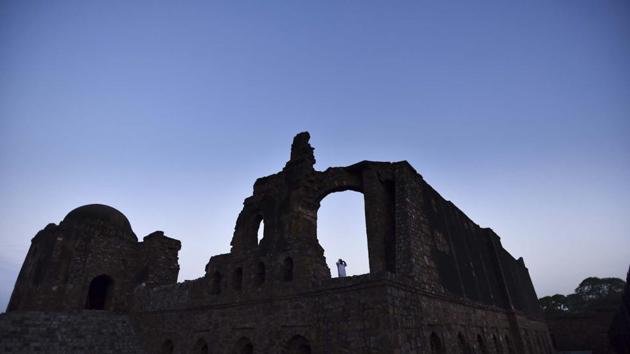
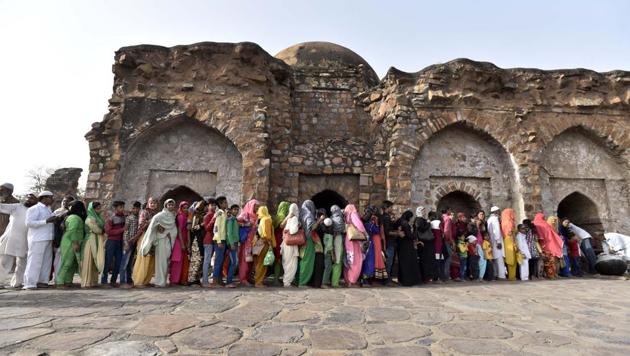
Every Thursday, the ruins of Feroz Shah Kotla, along Delhi’s Outer Ring Road, bears witness to a durbar of a different kind. With the sultans having long moved into history pages, it is the Djinns which now hold court here, tending to the faithful and their wishes. And the faithful are many – they come carrying gifts of incense, rice, lamps and candles. The gifts and longings are laid bare at the altar of djinns, the celestial beings believed to be made from fire, just as humans were from clay. (Burhaan Kinu/HT PHOTO)
Updated on: Apr 21, 2017 5:24 PM IST


Share via


Copy link

1/14
 View Photos in a new improved layout
Updated on Apr 21, 2017 5:24 PM
Every Thursday, the ruins of Feroz Shah Kotla, along Delhi’s Outer Ring Road, bears witness to a durbar of a different kind. With the sultans having long moved into history pages, it is the Djinns which now hold court here, tending to the faithful and their wishes. And the faithful are many – they come carrying gifts of incense, rice, lamps and candles. The gifts and longings are laid bare at the altar of djinns, the celestial beings believed to be made from fire, just as humans were from clay. (Burhaan Kinu/HT PHOTO)
2/14
 View Photos in a new improved layout
Updated on Apr 21, 2017 5:24 PM
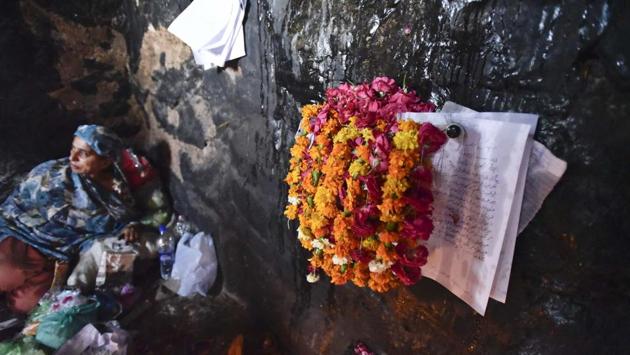
It is believed that wishes made to the Djinns in a letter or a prayer come true. Just like humans, djinns too can be good and bad. But Kotla, the citadel built by Sultan Feroz Shah Tughlaq in the 14th century, houses only the good ones, insists its Thursday visitors. The practice of writing to the Djinns in Kotla, historians say, gained popularity in the late 1970s when a fakir named Laddoo Shah started living in the ruins. (Burhaan Kinu/HT PHOTO)
3/14
 View Photos in a new improved layout
Updated on Apr 21, 2017 5:24 PM
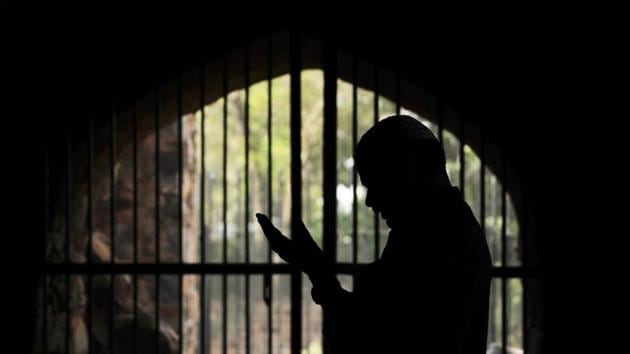
A devotee offers prayers in the ruins of the Feroz Shah Kotla Mosque, in New Delhi. (Burhaan Kinu/HT PHOTO)
4/14
 View Photos in a new improved layout
Updated on Apr 21, 2017 5:24 PM
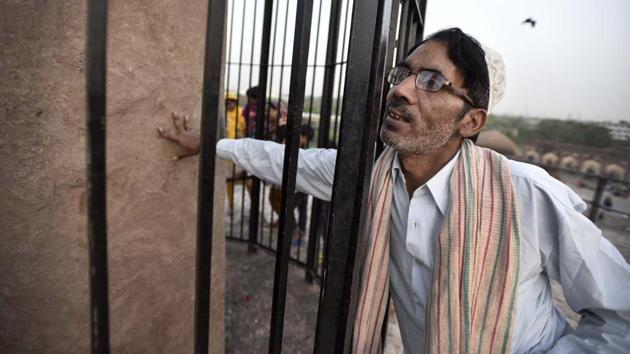
Popular belief goes that “Laat (pillar) Waale Baba”, the chief of the Kotla djinns, dwells in the Minar-e-Zarreen. Letters written to him are left tied to the railing protecting the pillar. People crane through the railing to touch the pillar as the urban legend has it that touching the pillar while making a wish will make it comes true. (Burhaan Kinu/HT PHOTO)
5/14
 View Photos in a new improved layout
Updated on Apr 21, 2017 5:24 PM
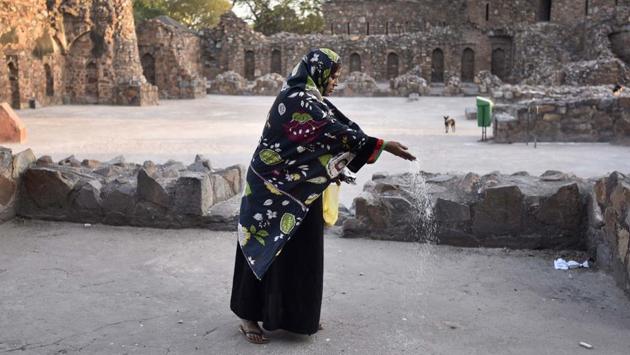
The faithful are many – people come carrying gifts of incense, rice, lamps and candles; a prayer on their lips and a wish in their hearts. (Burhaan Kinu/HT PHOTO)
6/14
 View Photos in a new improved layout
Updated on Apr 21, 2017 5:24 PM
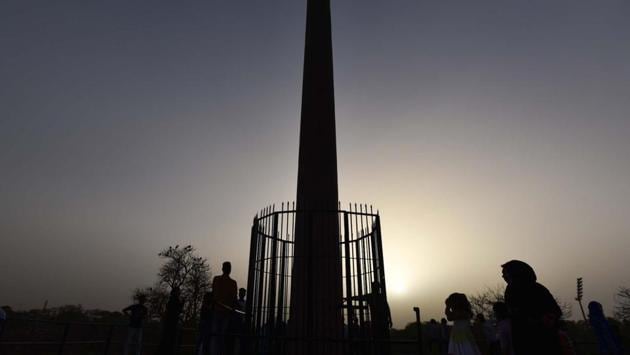
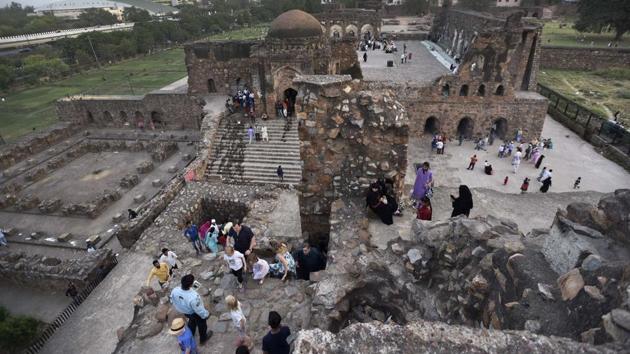
As dusk nears, many make their way to the top of the pyramid-like structure on which stands the Minar-e-Zarreen, a 13.1-metre tall, highly polished sandstone pillar. It was originally erected by Emperor Ashoka in Ambala in the 3rd century BC and centuries later shifted to Kotla on the orders of Tughlaq. (Burhaan Kinu/HT PHOTO)
7/14
 View Photos in a new improved layout
Updated on Apr 21, 2017 5:24 PM
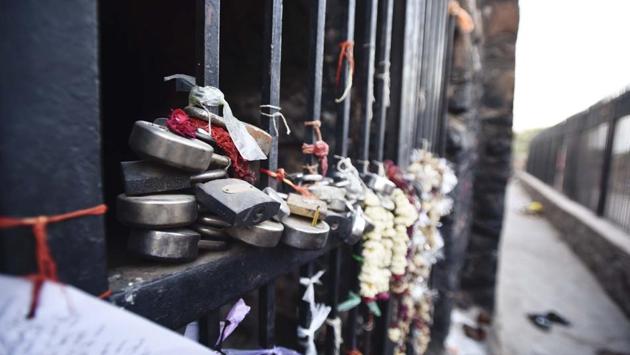
The labyrinths of passage ways and cave-like rooms have a plethora of locks tied to the gates; each lock imprisons a wish, a supplication made to the Djinns. (Burhaan Kinu/HT PHOTO)
8/14
 View Photos in a new improved layout
Updated on Apr 21, 2017 5:24 PM
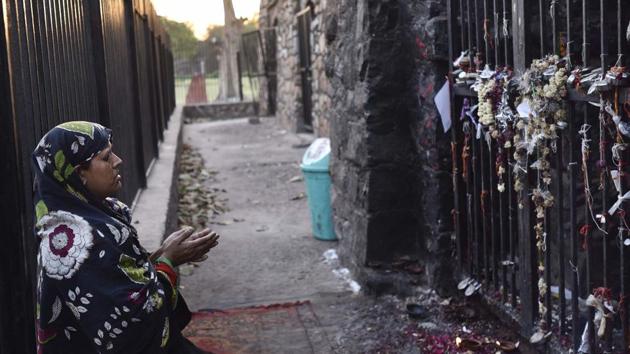
On Thursdays, the entry ticket fee of Rs 5 (Kotla is a protected monument) is waived as believers line up to pay obeisance to the Djinns. The belief is that once your wish is granted, you have to complete seven cycles of Djjin worshipping. (Burhaan Kinu/HT PHOTO)
9/14
 View Photos in a new improved layout
Updated on Apr 21, 2017 5:24 PM
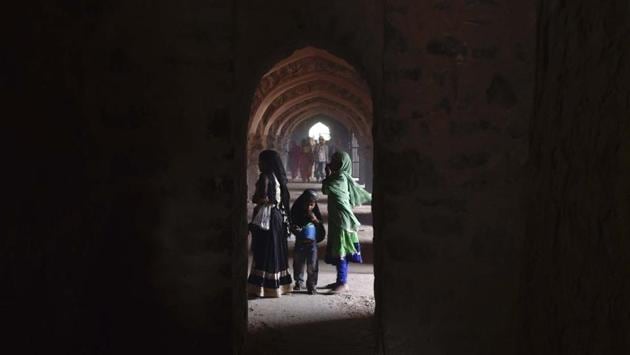
Although the supplicants are mostly Muslims...Hindus, Sikhs and Christians too come here to seek the intervention of these magical creatures. (Burhaan Kinu/HT PHOTO)
10/14
 View Photos in a new improved layout
Updated on Apr 21, 2017 5:24 PM
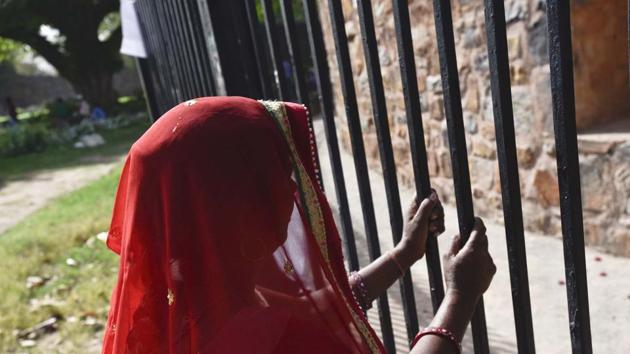
The altars and alcoves of the fort are covered with letters that tell of lost love, broken promises, family betrayals and the heartfelt wishes of one who feels forsaken by all others. Issues of family, money and squabbles are relinquished into the care of the djinns for their timely intervention. (Burhaan Kinu/HT PHOTO)
11/14
 View Photos in a new improved layout
Updated on Apr 21, 2017 5:24 PM
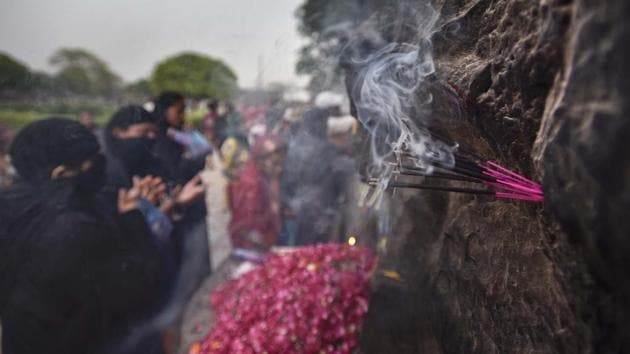
The cave-like rooms of Kotla are pitch black and each has an altar coated with soot from years of burning incense and lamps. (Burhaan Kinu/HT PHOTO)
12/14
 View Photos in a new improved layout
Updated on Apr 21, 2017 5:24 PM
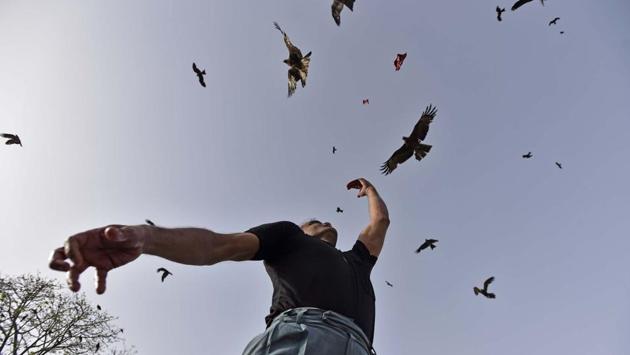
Kites have the right of the way around the Masjid located next to the Minar-e-Zarreen. (Burhaan Kinu/HT PHOTO)
13/14
 View Photos in a new improved layout
Updated on Apr 21, 2017 5:24 PM
Every Thursday, people from different parts of Delhi bring food to distribute among the people who visit the fort in large numbers. (Burhaan Kinu/HT PHOTO)
14/14
 View Photos in a new improved layout
Updated on Apr 21, 2017 5:24 PM


