
 E-Paper



Home isolation has instilled confidence in people to face the infection | Analysis
Around 80% of patients opted for home isolation over quarantine facilities

 Prefer HTon Google


The steep increase in the number of Covid-19 patients at the end of May led the Delhi government to tweak its strategy. It started focusing more on home isolation of the positive cases. The basic premise was that, with limited health resources and a rising number of infections, mild cases would block services for critical patients. This strategy worked well. The Delhi government identified more Covid-19 patients for home isolation, while simultaneously augmenting hospital care for serious patients. As a result, around 80% of patients opted for home isolation over quarantine facilities.
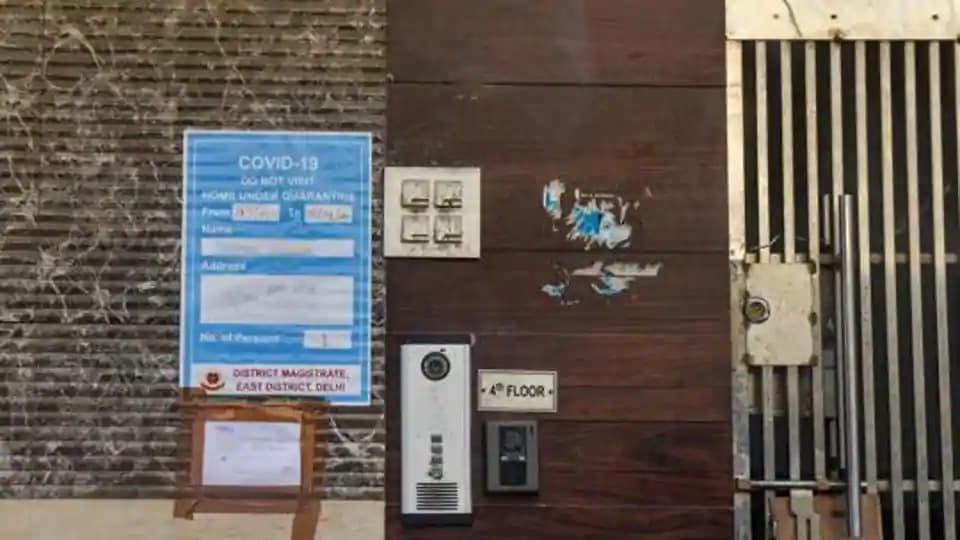
The Arvind Kejriwal-led government released easy-to-understand guidelines and videos for spreading awareness. These guidelines have instructions for patients, caregivers, and community, with tips on nutrition, monitoring of health parameters, and are easily implementable at home. The details are available on its website at https://delhifightscorona.in/home-isolation/
On June 19, the lieutenant governor scrapped home isolation due to the fear of people under home quarantine not following proper guidelines, and, thus, increasing the chances of turning into spreaders. It/He made institutional quarantine mandatory for the first five days. The Delhi government, along with its citizens (such as Resident Welfare Associations or RWAs), raised objections to the change, forcing the Delhi Disaster Management Authority to revert to the old arrangement. This was a great relief for Delhi.
But why home isolation? With a stressed health system, it is a win-win situation, both for citizens and the government. As expected, unlock 1.0 saw a spurt in cases, but it was brought under control. The government devoted energy to make people aware of ways to learn to live with the virus. Such awareness campaigns helped reduce the stigma around the pandemic. The normalisation of Covid-19, with increasing confidence among people that patients could recover in the comfort of their homes, made it possible for the Delhi government to pursue an aggressive testing strategy.
The government allows positive cases to opt for home isolation if their home has a separate airy room with a toilet. The medical team guides the family and patient on proper protocols, and monitors the health status of the patient(s) on a daily basis. Being in close proximity to the family keeps the patients psychologically upbeat, provides the necessary emotional environment for quick recovery, and allows them the choice of food of their taste and requirement. It also brings dedicated family support to fight the emotional or physical distress.
The patients are advised to be careful if they feel breathlessness; have co-morbidities such as diabetes, hypertension, cancer, kidney or liver issues; are pregnant; or are above 65 years of age and may require immediate in-person medical attention. The community plays an important role, too. RWAs support families in sanitisation, garbage collection, mitigating stigmatisation, helping during emergencies, and arranging food and medicines.
Sometimes there are procedural delays in reaching out to the home isolated patients by designated health care providers. To address this, the Delhi government has empaneled non-governmental organisations and deputed doctors who volunteered to support the home isolated cases. If health care providers fail to reach patients, they can call Delhi government’s telemedicine helpline: 011-61193786.
The Delhi government is reviewing its Covid-19 strategy on a regular basis. To address the most critical factor, of breathlessness, which is the major cause of mortality among Covid-19 patients, it has decided to provide pulse oxymeters to home isolated patients, on a returnable basis. This will, depending upon the patients’ condition, help the government to provide them oxygen cylinders and concentrators, or shift them to the hospital.
The quarantine period has been reduced from 17 days to 10. This has further eased the conditions for home isolation, encouraging more people with mild symptoms to come forward for testing. Home isolation has instilled confidence in people to face the infection, as they are now more aware about the virus and ways to face it.
Delhi is learning to live with the new norms and, a mature response from the state government has helped reduce the initial panic to a large extent.
Seema Upadhyay is a programme manager at the Population Foundation of India. The views expressed are personal


