
 E-Paper



How chip shortages and supply crunch are hurting the economy
Global chipmakers are struggling to make enough of them and there are no quick fixes, analysts say. That could mean Indian factories and consumers are buckling up for higher costs

 Prefer HTon Google


New Delhi: A shortage of semiconductors, or the ubiquitous chip, is crippling the production of a range of goods, from cars and home appliances to television sets, stoking prices amid a post-pandemic demand surge and threatening the country’s nascent economic recovery.
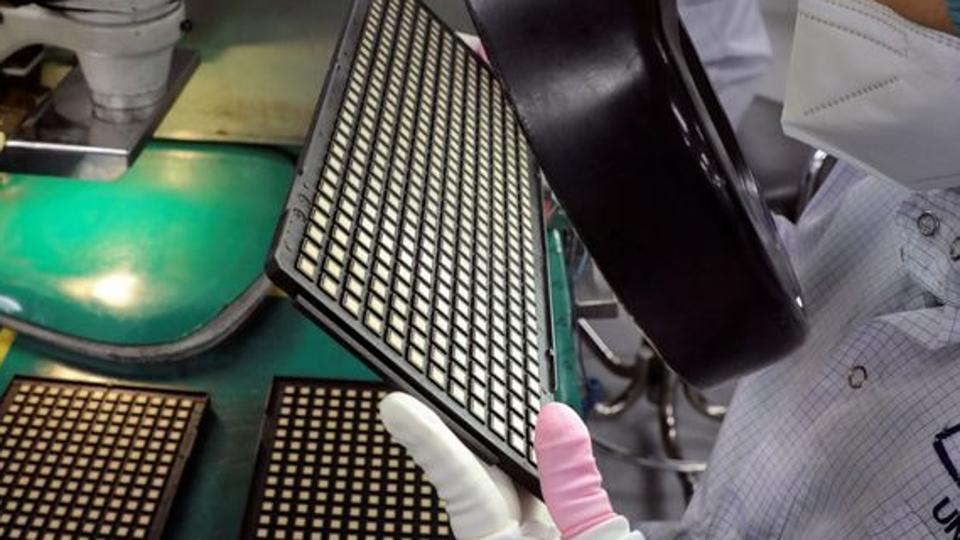
The origins are global. Global chipmakers are struggling to make enough of them and there are no quick fixes, analysts say. That could mean Indian factories and consumers are buckling up for higher costs, already evident in car prices. The vital electronic part is not just integral to passenger vehicles; they are found in all kinds of white goods.
Profits of automakers are falling and manufacturers of other goods are cutting output, unable to meet demand, market data show. “There are macroeconomic implications. Supply shocks can cost us in terms of growth and employment. Basically, we now need to be selling briskly and make the most of the festive season,” said Mehul Patel, an analyst with Comtrade.
In an exchange filing, Maruti Suzuki India Ltd said it missed its target of producing 116000 vehicles during the second quarter due to chip shortage. The country’s largest car maker reported a 9.4% year-on-year fall in its net profit to ₹1166.1 crore for the March ended quarter, the company said last Wednesday.
Anuj Sethi, senior director at CRISIL Ratings, expects the global shortage of semiconductors to slow India’s passenger vehicle sales to 11-13% this fiscal year, around 400-600 basis points lower than what could have been without the scarcity. One basis point is 1/100th of 1%.
Semiconductors, also called chips, are critical components of vehicles essential for features such navigation, infotainment and traction control. They are also found in home appliances, such as TV, automatic washing machine, computers, laptops and mobile phone.
The chip shortage has hammered industries such as auto, consumer electronics and medical equipment, causing prices of finished goods to rise. Maruti is raising prices overall by around 2%, it said in a recent regulatory filing.
A global shipping slowdown alongside has sparked a trade chaos, throwing off-gear delivery timelines of critical raw material, intermediate goods and finished items.
“One of the reasons for the crisis is that automakers and white goods makers first cut demand due to the pandemic. But as vaccination picked up, demand soared. But chipmakers already cut capacity, which takes years to add. There’s no quick fix,” said Hemant Ladha, the CEO of Luxx Auto Ltd, an original equipment manufacturer and an importer of chips.
The chip supply crunch was also fueled by trade tensions between the United States and China, especially Washington’s restrictions on export or sale of American-designed chips to some Chinese manufacturers. The tech fight cut global chip output by a whopping 34%, according to the Global Semiconductors Association.
A supply crunch, sparked by the shipping crisis and paucity of shipping containers, have only accentuated the crisis. One half of the world comprising western economies, which are the biggest recipients of coronavirus vaccines, have opened up faster than the other half, especially countries in Asia and Africa.
Trouble first began in June when the Ever Given, a 20124-container giant, got wedged in the Suez Canal for nearly a week, delaying hundreds of ships between Asia and Europe. That same month, the port of Yantian in the Chinese city of Shenzhen was partially locked out due to a coronavirus outbreak. This threw shipping schedules out of gear for a whole month, with domino effect.
zia.haq@htlive.com


