
 E-Paper



Eid Mubarak: Here’s everything you need to know about Eid-al-Fitr or Meethi Eid

 Prefer HTon Google


Eid-al-Fitr, which means ‘festival of breaking of the fast’, is celebrated when the new moon is sighted.
The festival of Eid, celebrated by Muslims across the world, marks the end of Ramzan, the holy month of fasting in the Islamic calendar when the Quran was first revealed to Prophet Muhammad. Eid marks the first day of the month of Shawwal.
Eid-al-Fitr, which means ‘festival of breaking of the fast’, is celebrated when the new moon is sighted. Due to this, the festival is sometimes celebrated on different days in different parts of the world and the date varies from year to year.
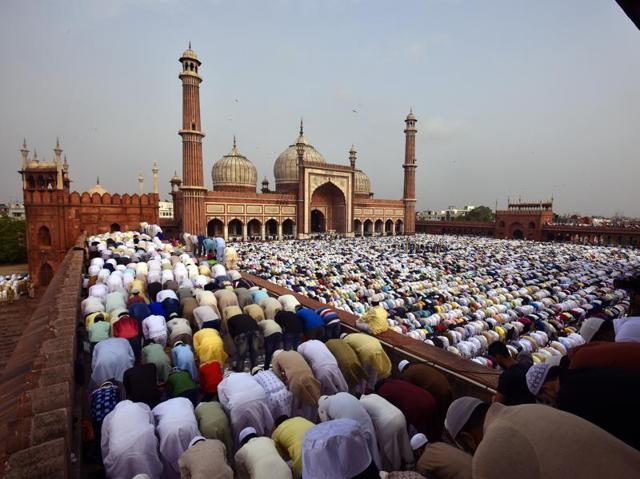
Celebrations traditionally begin with Chand Raat, the evening before the day of Eid, when people go for Eid shopping. On the morning of Eid, worshippers get up before sunrise to offer Salat-ul-Fajr (daily prayers). After breakfast (since it is forbidden to fast on Eid), they offer prayers at mosques and often at burial grounds to pray for the salvation of departed family members.
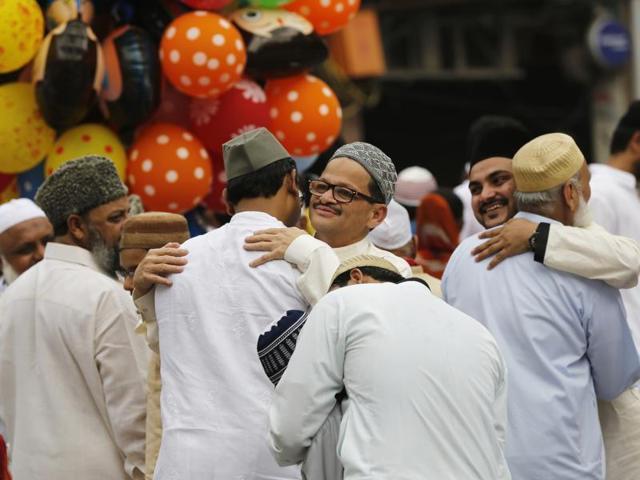
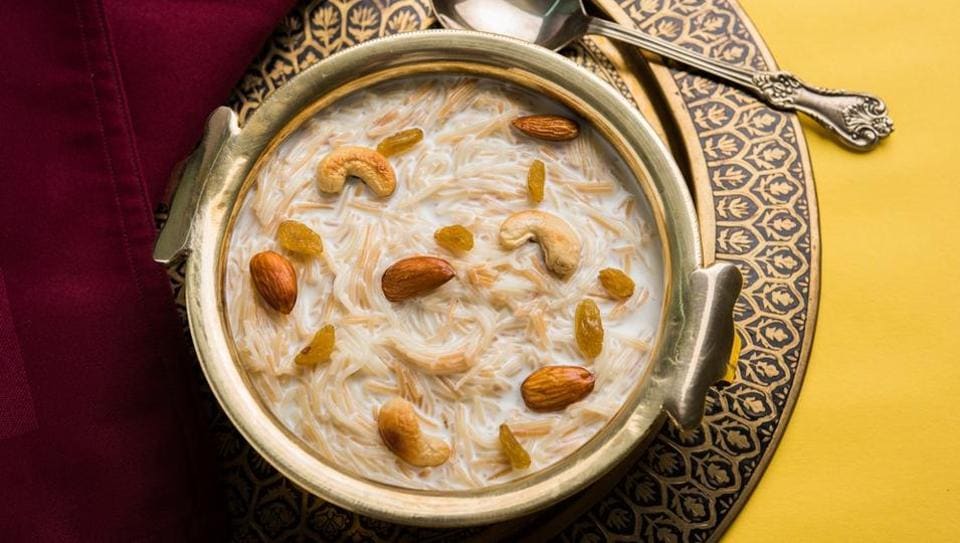
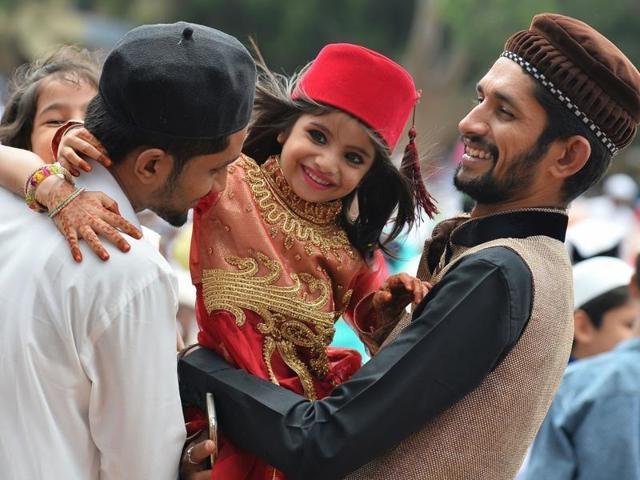
Worshippers wear new clothes on Eid, visit their relatives and friends, and greet each other by saying Eid Mubarak. Sweets and desserts are prepared and distributed, with the chief delicacy being the sewayi – roasted vermicelli cooked in milk and garnished with dry fruits. Unlike Eid al-Adha (which focuses on meat delicacies), Eid-al-Fitr is celebrated with traditional desserts and is also called Meethi Eid.
A major Indian festival, Eid is observed as a public holiday. It is celebrated with great fervour across the country and especially at major mosques like Mecca Masjid in Hyderabad, Jama Masjid in New Delhi, Dargah Sharif in Ajmer, Hazratbal shrine in Srinagar and Taj Mahal Mosque in Agra.
There is great emphasis on charity on this day. It is obligatory to donate to the poor and needy before offering prayers. The celebrations often go on for three days.
Follow @htlifeandstyle for more


