
 E-Paper



From Shiva’s matted hair to Buddha’s curls: Tracing the mane

 Prefer HTon Google


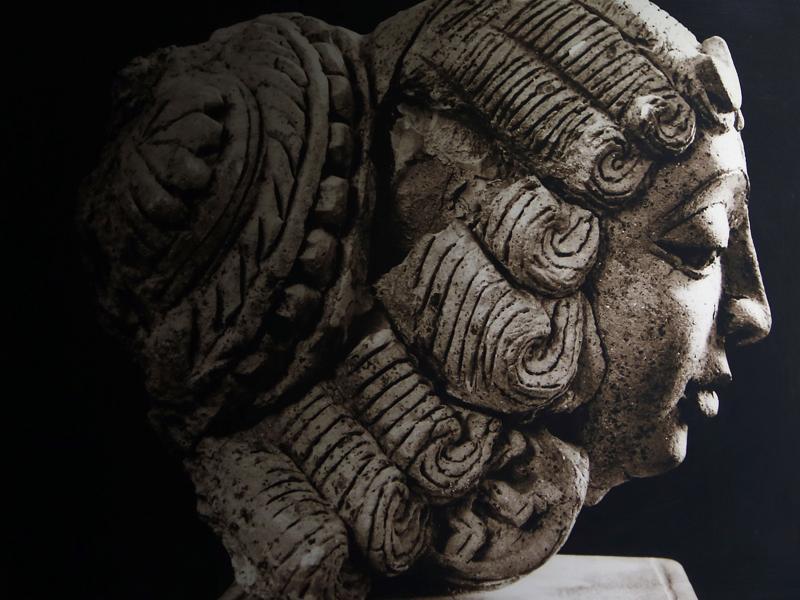
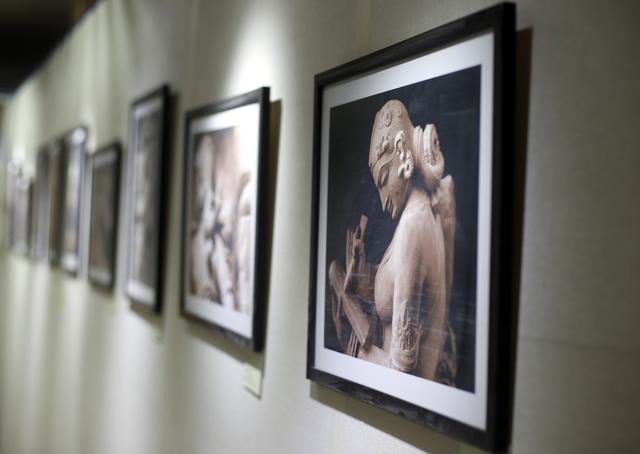
An exhibition of hairstyles in Indian art traces the elaborate ways in which men and women from different historical periods dressed their mane.
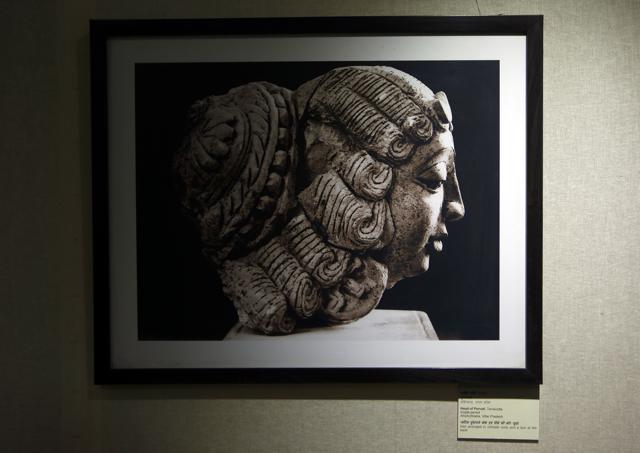
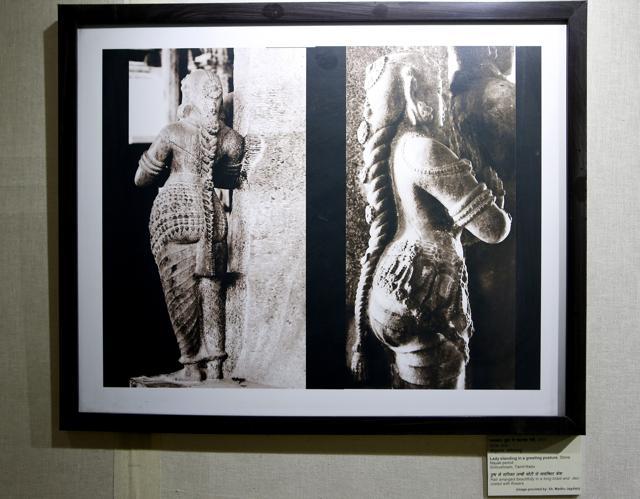
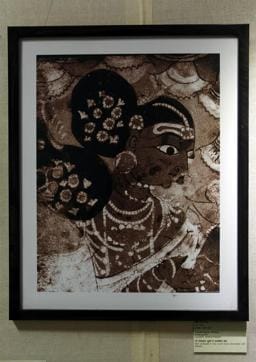
Braids, buns, chignons, intricately arranged curls and neatly combed straight hair, Kesa-vinyas, an ongoing exhibition of hairstyles in Indian art organised by the Archaeological Survey of India (ASI), will make viewers gape at the superior skills of our ancestors when it came to dressing their crowning glory. Perms, straightening, smoothening and blow dries might be contemporary terms, but if the representation found in old paintings and sculptures are any indication, these people took hair care to the level of art work. “Ancient texts have enumerated exuberant forms of hair-styles and coiffure. These were adorned with several kinds of jewels, diadems or tiaras and fillets… Hair dressing was common in both elite and peasants, while some scholars believe that only the elite class arranged their hair in various types of coiffure to differentiate them,” explains the exhibition brochure.
Read: Decoding celeb hairstyles
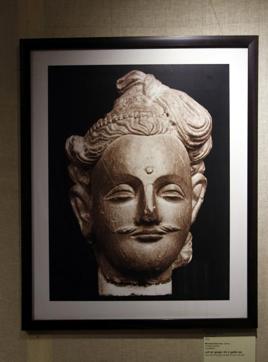
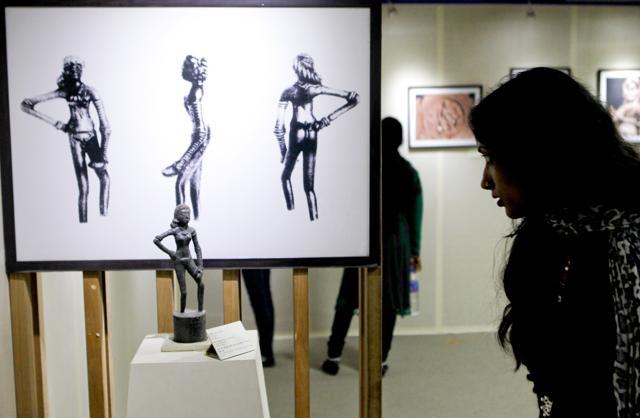
The exhibition starts with the Harappan period and travels through dynasties and ages — Mauryan, Shunga-Satavahana, Kushan, Gupta and further to the medieval period, to examine the changing representation of hairstyles down the eras. Geographical location played a part, as did foreign influence. For example, some of the artworks of the Gupta period show people with short hair which was sometimes frizzed in the front with luxuriant ringlets or simply left to hang loose over the shoulders or below. This style is believed to be of foreign origin. Women were not the only one to take pride in their tresses. From Shiva’s matted hair, to Buddha’s curls, Krishna-Balaram and the neatly trimmed beard and middle-parted hair, tied with a fillet of the ‘Priest King’ from the Harappan times – the exhibition has enough representation from the male brigade to send across the message that hair care was no trifling matter for them.
Read | Hair it is: Mane inspiration for men
“Sculptures are mirrors of the entire social milieu of contemporary society and accordingly cover a number of distinguishing details. But very often a viewer’s attention gets confined to the main features of a famed sculpture. Other aspects often go unnoticed under the shadow of a mainstream view of facial and body features. Our present endeavour concentrating on hairstyles is one of many such steps which required to be taken because these aspects are no less important. History becomes more interesting through comprehensive presentations instead of restricted vision,” explains Urmila Sant, director (museum), ASI.
Given the continuing obsession with hair in the present time, the interest generated by the exhibition is not surprising. “Visitors are from across different social, age and occupational groups...The exhibition has opened a new vision of art appreciation and aroused a new kind of interest among people, which is perhaps unprecedented in the history of art exhibition,” says Sant.
Kesa-vinayas can also serve as a catalogue for those willing to experiment with a coiffure. It doesn’t get more retro than this.
CROWNING GLORY
What: Kesa-vinyas - Hairstyles in Indian ArtWhere: Quarters Guard, Red FortWhen: Till January 31, 2016 (10 am to 5pm)Closed on Mondays


