
 E-Paper



Visual storytelling techniques: The world in frames


The Delhi Photo Festival is back with a mammoth offering of 41 print exhibitions, projections, workshops and even a photomela. A peek into the range of visual storytelling techniques and themes on display.
In 2007, at the International Olympic Committee meeting held at the city of Guatemala in Mexico, the quaint Russian town of Sochi bagged the chance to host the 2014 Olympic Winter Games.
Intrigued, Dutch photographer Rob Hornstra and writer Arnold Van Bruggen set out on an investigative project to document the transformation of Sochi, a “sub-tropical tourist resort amongst conflict zones”.
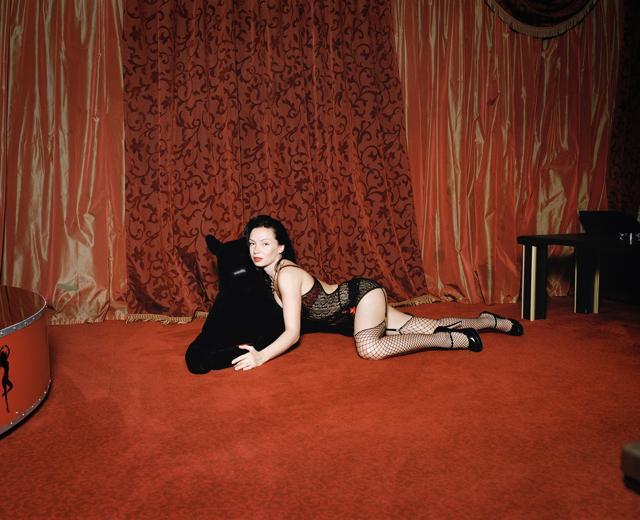
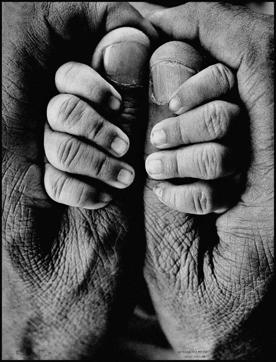
Over the next seven years, the two documented life at Sochi’s beaches and Soviet-era sanatoriums, juxtaposing the massive event preparations with the ruins of conflict-ridden Abkhazia (about five kilometres away from the Games’ site), and the poverty and violence of the North Caucasus that is also close to the site. Their work, entitled The Sochi Project: An Atlas of War and Tourism in the Caucasus, brought them much acclaim, and a ban on visits to Russia. This week, Hornstra and some of his works will be in town, courtesy the Delhi Photo Festival, that begins on October 30.
Read: I talk about body, life and death, says Anindita Dutta
The mammoth biennial festival has other brilliant offerings too - previously unseen works of Raghu Rai, Kishor Parekh’s seminal, classic photojournalistic work on the Bangladesh war and liberation in 1971 (work that he produced over a two-week period), as well as Marina Paulenka’s pictures of female prison inmates in Croatia, among several others, rendering the task of choosing just a few rather difficult. Independent photographer Prashant Panjiar, who is one of the festival’s directors, says the event showcases works of established as well as lesser known photographers, including students.
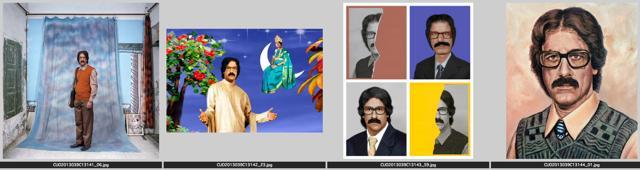
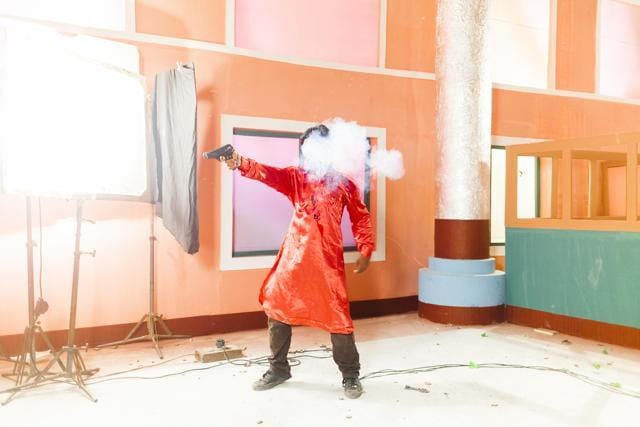
“The subjects explored also include a wide range, from hard core themes such as migration, to the very international trend of exploring the self through role playing, as in French photographer Olivier Culmann’s works,” says Panjiar, adding that the festival has been put together by a team of volunteers. This has kept costs low. Entry is free so the public can access some great forms of visual storytelling, and incisive commentary about the times that we live in. An event definitely worth focusing on.
When: October 30-November 8
Where: IGNCA, Janpath, New Delhi. Entry is free


