
 E-Paper



For Delhi, BJP’s poll plank is development and ‘people-friendly’ measures
The BJP has been out of power in Delhi for over two decades. All eyes are on the party, which has yet to work its way through the challenge of reaching out to the matrix of castes and communities


The BJP is pulling out all the stops to make up for its crushing defeat in Delhi five years ago and the loss of power in two states after delivering a stunning performance in May last year when it won an unprecedented 303 members.
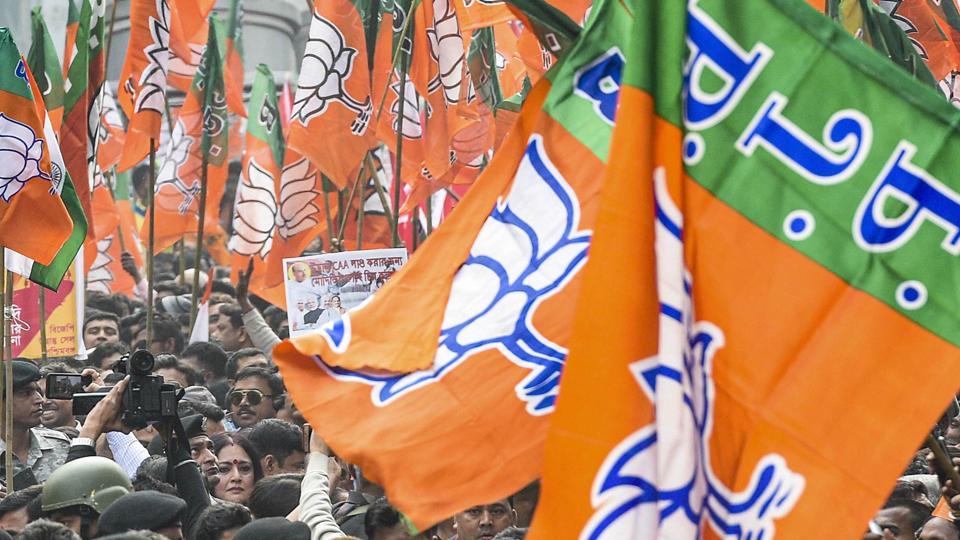
It had failed to retain control of Maharashtra, where it made an attempt to form a government with a breakaway faction of the Nationalist Congress Party after its former ally Shiv Sena walked out of the alliance over the power-sharing pact and in Jharkhand where it’s outreach to the tribal communities failed to yield dividends.
The only solace for the party which went to state assembly polls riding high on issues such as the surgical strikes was its success in retaining Haryana, where it overrode anti incumbency and a patchy caste arithmetic.
All eyes are now on Delhi, where the BJP had shrunk to just three members in 2015.
Senior party functionaries who spoke to HT said the party has a formidable opponent in Arvind Kejriwal’s Aam Aadmi Party, but it is banking on its “development work and people-friendly policies” to reverse its electoral fortunes in Delhi.
“The Union government took initiatives that benefit people from across classes. From in-situ houses for the slum clusters to regularisation of unauthorised colonies, from relief to small-scale industries that operate from households to the expansion of instructive like roads and metro, there has been something for everyone,” a senior BJP functionary said.
Listing these people-friendly initiatives, the functionary said, “the policy of offering relief to small-scale non-polluting units that could earlier employ only up to 5 workers now allows the employment of up to 9; 10 lakh shopkeepers have benefited from the policy of converting their 30’year lease to freehold...there are several such initiatives that have helped the people in the capital city.”
In December, Prime Minister Narendra Modi launched the party’s campaign for Delhi in the backdrop of giving residents of 1,731 unauthorized colonies ownership rights. The party is hopeful that the measure will be useful in countering the AAP’s sops of providing cheap electricity and water.
The BJP has been out of power in Delhi for over two decades, and the party is yet to announce its face for the Delhi election. It also has to work its way through the challenge of reaching out the matrix of castes and communities.
Will it pick a Punjabi or a Purvanchi face, or will the party gamble by bringing in a dark horse candidate such as Kiran Bedi, who was the party’s chief ministerial candidate in the last election?
“There are challenges you face when you have been out of power for so long, but the performance of the Modi government at the centre and the vision that it has for the future, will override these concerns of which community should the CM candidate be from,” said a second BJP functionary.
The second functionary went on to add that the party is gearing for a “bipolar contest between the AAP and the BJP”, and feels it will have an edge over the opponent.
A third functionary, however, said that the party may not announce a chief ministerial face, a policy that was followed in Uttar Pradesh and Haryana.
BJP leaders said it was unlikely that the ongoing protests against the Citizenship (Amendment) Act or CAA will cast a shadow on the party’s fortunes.
“There is a concerted effort to mislead and confuse the people especially minorities. The CAA has nothing to do with the citizenship rights of the Indian people, it only provides citizenship to those in need. Even the minority communities have now begun to understand this,” minority affairs minister Mukhtar Abbas Naqvi told HT earlier this week.
It is a point that Home Minister Amit Shah had also made when he addressed a public meeting on Monday just before the Election Commission announced the election dates.
The party has redoubled its efforts to reach out to people to clarify its position on CAA and the proposed National Population Register. Senior leaders of the party have been asked to participate in the outreach campaign, which includes attending rallies and making door to door visits.


