E-Paper



34 succumb to flu in MP, health dept steps up efforts to contain spread
More than 134 people have tested positive for swine flu while 34 people have died from H1N1 since July 1 in Madhya Pradesh, according to health officials.


More than 134 people have tested positive for swine flu while 34 people have died from H1N1 since July 1 in Madhya Pradesh, according to health officials.
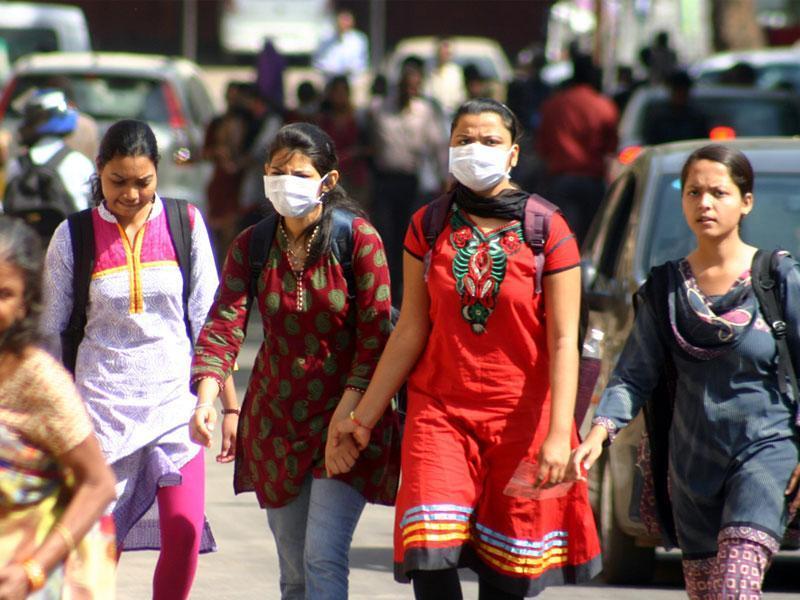
Going by these figures, one out of every four swine flu patients has died in the state since July — a significantly high mortality rate.
In Bhopal, a similar situation exists. According to health officials, since May 1, more than 43 people have been test positive for H1N1 and 12 people have died from it.
The health department is apprehensive that cloudy weather and the approaching winter might lead to a surge in swine flu cases here and further aggravate the situation at a time when it the state is already battling dengue outbreak.
According to officials, samples of 703 suspected swine flu patients were sent for testing in the state since July 1. Of these, the tests came negative for 559 patients and positive for 134.
Regarding the high mortality rate among H1N1 patients in the state, chief medical and health officer (CMHO) in-charge Bhopal Dr MU Khan said, “Many patients who are infected with swine flu and are already suffering from diseases like diabetes, old age and so on...have a high chance of succumbing to the viral disease. Also, many patients from far-flung areas reach the hospitals when it is already too late,” he said.
On the health department’s efforts to rein in the deadly infection, Dr Khan said they were making all possible efforts to control the viral outbreak.
He said a campaign was on to constantly advise people to immediately bring patients suffering from ordinary cold and cough to the nearest hospitals and have them examined.
“The health department is trying its best through different media to make people aware about basic precautions and measures they should take to check the spread of the infection. With respect to the children in schools, both school authorities and parents need to be vigilant,” he said.
Dr Khan added that for the last two months, samples of category B patients are also being sent for testing in addition to Category C patients.
According to the protocol for categorization to be followed during swine flu outbreaks, Category A means mild cases that require domiciliary care but no drug treatment, while Category B requires drug Oseltamivir but no hospitalization. Category C requires drug treatment, testing and hospitalisation.
Despite the efforts, there are many loopholes in the state’s fight against H1N1. A large state like Madhya Pradesh has just two main swine flu testing labs.
Swab tests of suspected patients are sent to labs in Jabalpur and Gwalior. Due to this, there are unnecessary delays in confirmation of swine flu cases.
Also, lately the tests results are not being provided on holidays. With government realising that delay was affecting its fight against the viral outbreaks, All India Institute of Medical Sciences (AIIMS) Bhopal came to the rescue in February and started testing for H1N1 in Bhopal.