E-Paper



A new record? Pench’s Collarwali tigress bears seventh litter, 26th cub in 9 years
The big cat, also known as the ‘Empress of Pench’, got her name from the radio collar tagged to her in 2008

 Prefer HTon Google


Collarwali, probably the most famous tigress in central India, has set a record of sorts by giving birth to an estimated 26 cubs at the Pench Tiger Reserve since 2008.
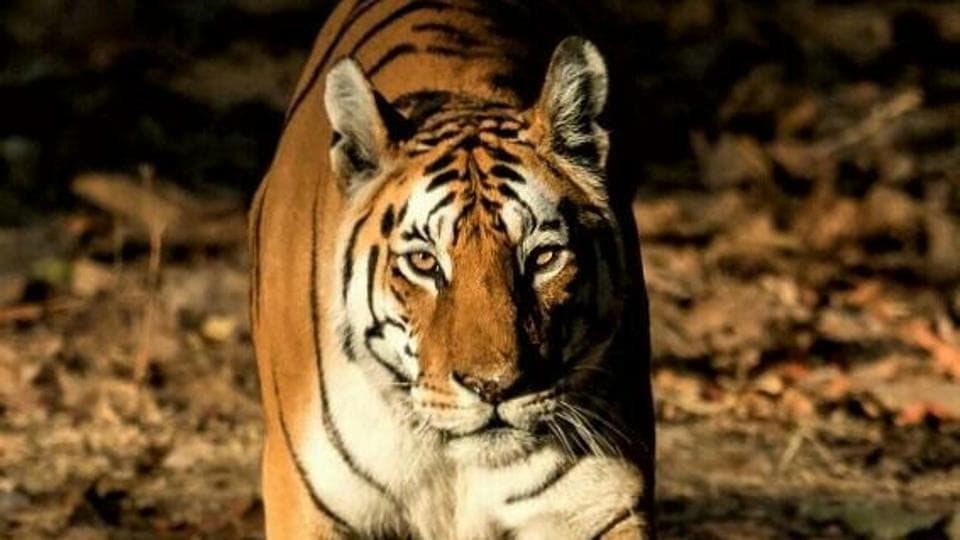
She bore her seventh litter of offsprings recently.
Confirming the development, Pench Tiger Reserve field director Subharanjan Sen said: “The 12-year-old tigress, officially called T-15, has given birth again. This is probably the highest number of cubs delivered by a tigress in this reserve so far.”
However, he could not provide the exact number of cubs borne by Collarwali this time. “There are three or four,” said Sen.
Wildlife enthusiast Sagnik Sengupta told HT that Collarwali – also known as the ‘Queen of Pench’ – has given birth to 26 cubs in seven litters between May 2008 and March 2017. “She was born in October 2005 to a dominant male in the area (T-1) and another famous Badimaata tigress. She got her name from the radio collar tagged to her on March 11, 2008. She was the first tigress here in Pench to be radio-collared, but the equipment has stopped working now,” he said.
According to Sengupta, Collarwali’s remarkable success at procreation stems from her tendency to let her cubs fend for themselves much before other tigresses do. “She has a habit of keeping herself away from her sub-adult offsprings periodically to let them learn survival techniques on their own. This also gives her time to reproduce more frequently,” he said.
The tigress has made Sita Ghaati area of the park, located close Pench river, her home. Terming Collarwali as one of main reasons for the surge in tiger numbers at Pench over the last eight years, the wildlife enthusiast said: “Of the 22 cubs she had in six litters over the years, 17 survived. Some even suggested that his name be included in the Guinness Book of World Records.”
The Pench Tiger Reserve spreads over 1,179 sq km, of which 411 sq km is the core area.
Madhya Pradesh, once the undisputed haven for Royal Bengals, lost out to Karnataka (with 300 tigers) in the 2010 census. It caught up later, with figures rising steadily from 257 in 2010 to 308 in 2015. However, 34 tigers – including four this year – have died since January 2016.