E-Paper



MP to set up GPS-based vehicle tracking system to check illegal mining
Facing severe criticism for its failure to check illegal mining and violence by the mining mafia, the state mineral resources department has decided to set up a GPS-based vehicle tracking system and ensure the geo-referencing of over 7000 mines in Madhya Pradesh to keep a tab on mining activities, especially the transportation of mined minerals.


Facing severe criticism for its failure to check illegal mining and violence by the mining mafia, the state mineral resources department has decided to set up a GPS-based vehicle tracking system and ensure the geo-referencing of over 7000 mines in Madhya Pradesh to keep a tab on mining activities, especially the transportation of mined minerals.
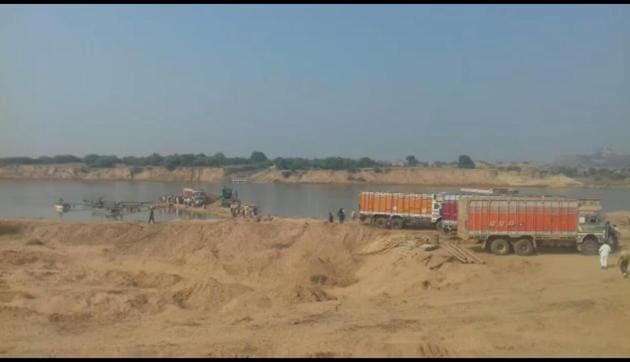
The state has already started using a web-based electronic transit pass (ETP) for existing mines, replacing paper-based transit passes, in order to ensure transparency on the quantum of the minerals mined.
The initiative is currently in use in 13 districts, with more to be added later this year.
Madhya Pradesh State Mining Development Corporation executive director Tarun Rathi told HT that they have invited experts and interested agencies to discuss the government’s plan.
‘The idea is to bring transparency and check illegal mining’
“The idea is to bring transparency and check illegal mining in the state. This GPS-based technology will help the state in many ways. For example, if any miner or those ferrying minerals enter a mine without a valid ETP, this system will generate an alert and we can take action. Also the exact boundaries of the mines could be marked through geo-referencing so that there is no ambiguity over the issue and miners mining outside the boundaries could also be held accountable,” he said.
Meanwhile, officials in the directorate of geology and mining said under geo-referencing, the boundaries of the mines are marked with GPS coordinates by erecting pillars with GPS coordinates after regular distances, around bends and corners along the boundaries of the mines. This will help the authorities, especially along the ever-changing river beds and in difficult terrains.
After the GPS coordinates are fixed, the information will be put on a GIS (geographical information system) map, on which many layers of additional information like the name of the lessee can be added later.
Officials added that for this system to work, all registered vehicles being used in the mining operations will have to be fitted with a GPS system. GPS monitoring can prevent not only theft of the minerals but also ensure state doesn’t suffer financial loss as it is reported in many cases on one permission slip (ravanna) several trips are made by the leaseholders using the same slip for the vehicles.
There are nearly 6000 mines of minor minerals in the state, including around 1000 sand mines and around 750 mines of major minerals. In the last one year, MP has recorded 7,097 cases of illegal transportation of minerals, with over 600 cases in the Chambal region alone.
ADVANTAGES OF GPS VEHICLE TRACKING
Provides real time data on a continuous basis on location of vehicles
Helps authorities know timings — what time a vehicle started, where it went, what distance it travelled, when it reached its destination
Better use of vehicles enhances revenue and leads to more profit
Can alert authorities to any deviation in the set route
Speed alerts can be set
Can help in checking fuel pilferage Can help in checking theft of vehicles
Can help in knowing mileage of vehicles, even without the odometer